From Concept to Quay: The Journey of Building a Bespoke Commercial Vessel
Monday, 9th February 2026
Every commercial vessel has a story. Long before it touches the water, before the engines roar to life or the first crew steps aboard, it begins as an idea—a response to a specific operational need.
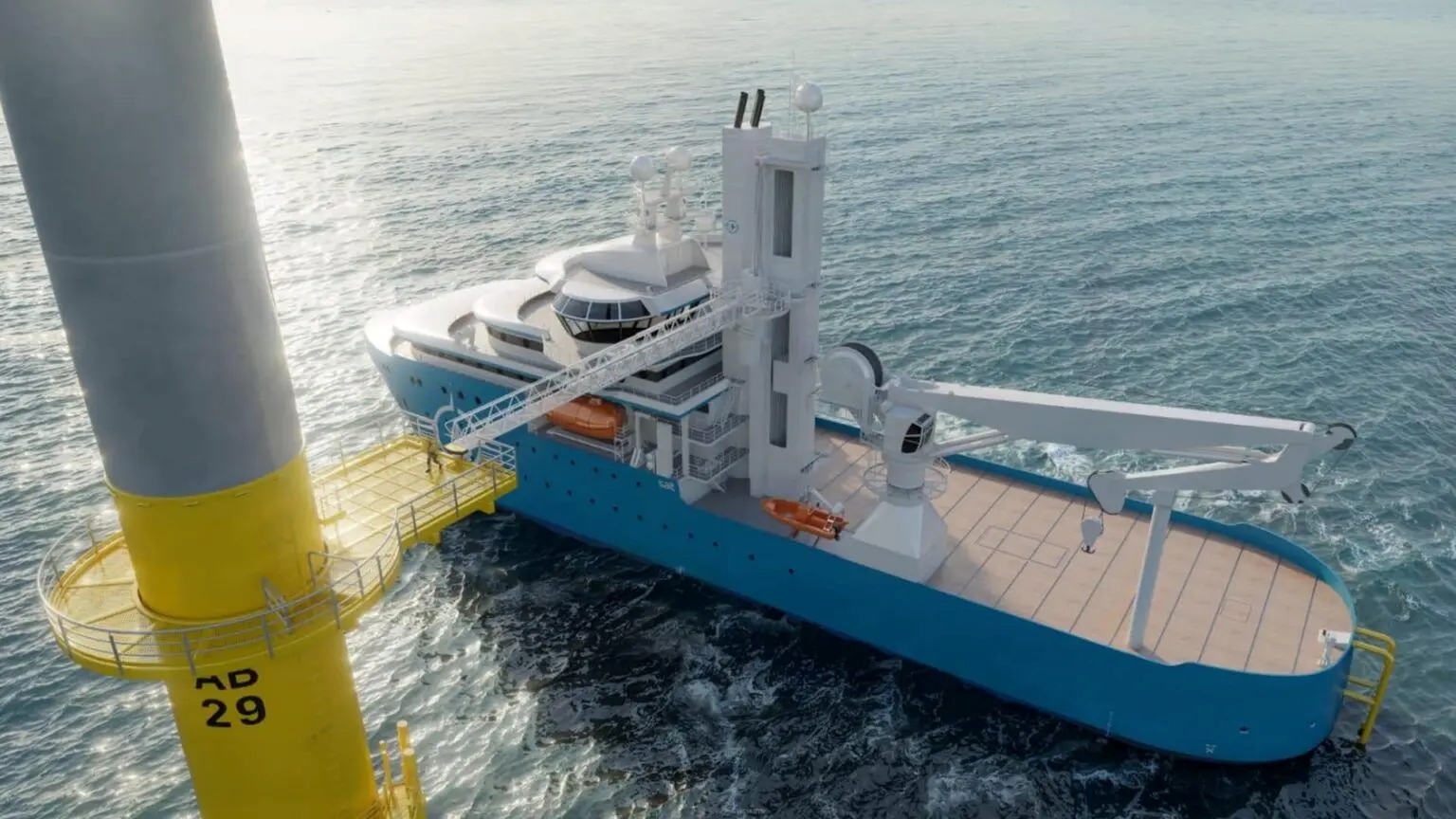
Whether it’s a workboat, a survey craft, a tug or a specialist offshore support vessel, the journey from concept to quay is a fascinating blend of engineering, creativity and collaboration.
Designing and building a bespoke commercial vessel is not simply a construction project. It’s a lifecyce, a partnership and a technical evolution.
Each stage shapes the next, and every decision influences how the vessel will perform throughout its working life.
This is the story of how a vessel is born.
-
Understanding the Mission: The Concept Phase
Every vessel begins with a purpose.
A client approaches a naval architect or shipyard with a set of operational requirements. These might include:
- The type of work the vessel must perform
- Cargo or passenger capacity
- Speed, range and endurance
- Operating environment and sea conditions
- Regulatory and class requirements
- Budget and delivery timeline
This early stage is all about clarity. Designers and operators work together to define the vessel’s mission profile. A survey boat will need stability and precision. A tug requires power and manoeuvrability. A crew transfer vessel demands comfort, safety and speed.
Once the mission is understood, the design team begins shaping the vessel’s identity.
-
Early Design: Turning Ideas into Form

With the operational brief in hand, naval architects begin sketching out the vessel’s initial form.
This includes:
- Hull shape and dimensions
- Deck layout
- Machinery placement
- Structural framework
- Preliminary weight estimates
- Stability calculations
Modern design tools allow teams to model hull performance, fuel efficiency and seakeeping behaviour long before steel is cut. Computational fluid dynamics (CFD) simulations help refine the hull, ensuring the vessel performs efficiently in real‑world conditions.
At this stage, the vessel begins to take shape—not yet detailed, but recognisable.
-
Detailed Engineering: The Blueprint of a Vessel
Once the concept is approved, the project moves into detailed design. This is where the vessel becomes real on paper.
Engineers produce:
- Structural drawings
- Electrical and hydraulic schematics
- Machinery integration plans
- Safety and fire‑control layouts
- Accommodation and interior arrangements
- Class‑compliant documentation
Every cable, pipe, weld and bracket is specified. The design must meet strict standards set by classification societies and maritime authorities.
This stage is meticulous, technical and essential. A well‑engineered vessel is safer, easier to maintain and more efficient throughout its life.
-
Procurement and Planning: Preparing for Construction
Before construction begins, the shipyard coordinates materials, equipment and subcontractors.
This includes:
- Steel and aluminium supply
- Engines, generators and propulsion systems
- Navigation and communication equipment
- Deck machinery and cranes
- Interior fittings and furnishings
Lead times can be long, especially for specialist components. Effective planning ensures the build progresses smoothly without delays.
The shipyard also finalises the construction schedule, workforce allocation and quality‑control procedures.
-
Steel Cutting and Keel Laying: The Build Begins

The moment the first steel plate is cut marks the official start of construction.
Sections of the hull are fabricated in blocks—large, pre‑assembled units that are later joined together. This modular approach improves accuracy and efficiency.
Keel laying, a traditional milestone, symbolises the vessel’s birth. From here, the hull grows rapidly as blocks are welded into place, forming the vessel’s structure.
-
Outfitting: Bringing the Vessel to Life

Once the hull is complete, the vessel enters the outfitting phase. This is where it transforms from a steel shell into a working ship.
Outfitting includes:
- Installing engines, generators and propulsion systems
- Fitting electrical, hydraulic and fuel systems
- Mounting navigation and communication equipment
- Building accommodation spaces
- Installing deck machinery and safety equipment
- Painting and corrosion protection
This phase is complex and highly coordinated. Multiple teams work simultaneously, each contributing to the vessel’s functionality and character.
-
Launch: A Major Milestone
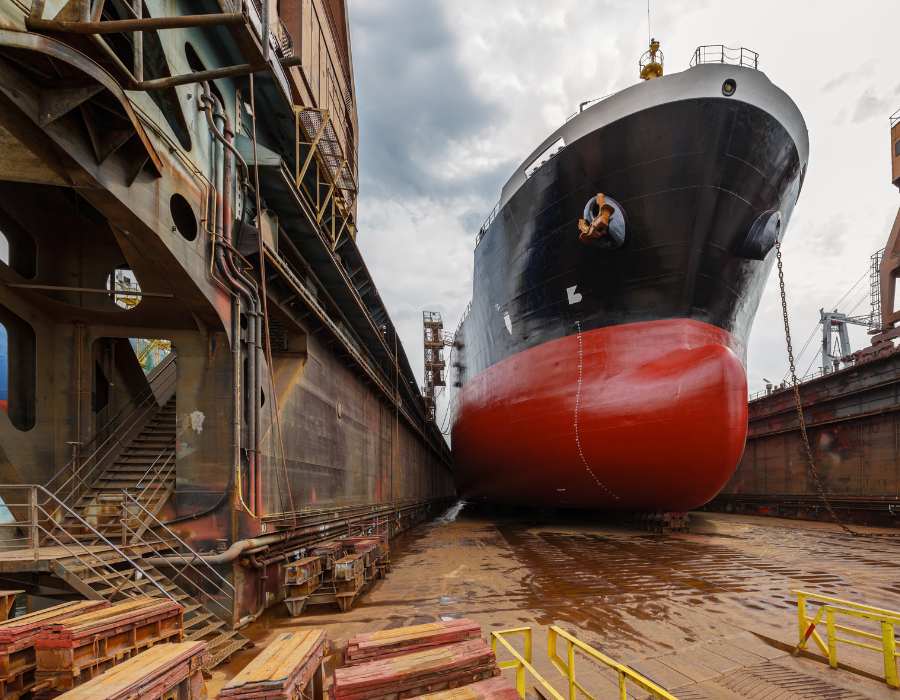
Launching a vessel is one of the most exciting moments in the build process.
Depending on the shipyard, the vessel may be:
- Rolled onto a slipway
- Lowered by a syncrolift
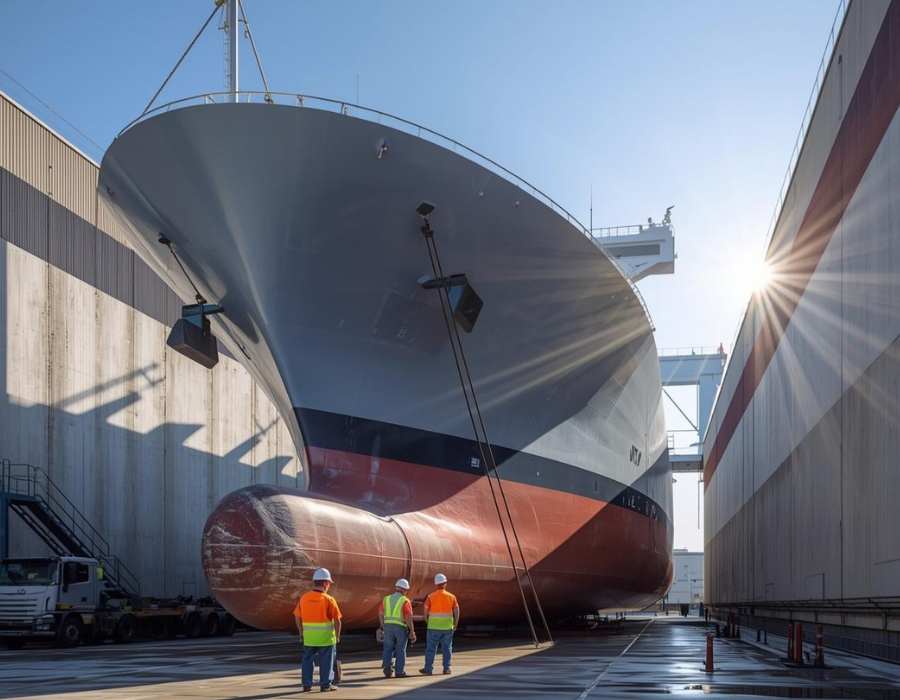
- Floated out of a dry dock
For the first time, the vessel meets the water. It’s a moment of pride for designers, builders and owners alike.
But the journey is far from over.
-
Harbour Trials: Testing the Basics
Once afloat, the vessel undergoes harbour trials to test its core systems.
These tests include:
- Power generation
- Electrical systems
- Steering and propulsion
- Safety equipment
- Navigation electronics
- Fuel and ballast systems
Any issues are corrected before the vessel proceeds to sea trials.
-
Sea Trials: Proving Performance
Sea trials are the ultimate test of a vessel’s design and construction.
During this phase, the vessel is taken offshore to evaluate:
- Speed and fuel consumption
- Manoeuvrability
- Seakeeping and stability
- Emergency systems
- Noise and vibration levels
- Endurance and operational capability
Representatives from the shipyard, classification society and the client all participate. Only when the vessel meets every requirement is it approved for delivery.
-
Delivery and Handover: A New Beginning
After successful trials, the vessel is officially handed over to the owner.
This includes:
- Documentation and certification
- Crew training
- Spare parts and maintenance manuals
- Warranty agreements
The vessel is now ready to begin its working life—whether that means supporting offshore wind farms, towing barges, transporting crew or conducting surveys.
For the shipyard, it’s the end of a long journey. For the vessel, it’s just the beginning.
-
The Lifecycle Continues: Maintenance and Upgrades
A bespoke commercial vessel is built to last, but it requires ongoing care.
Throughout its life, it will undergo:
- Routine maintenance
- Dry‑dock inspections
- Machinery overhauls
- Safety upgrades
- Modernisation and refits
A well‑designed vessel can serve for decades, adapting to new technologies and evolving operational needs.
Conclusion: Crafting a Vessel with Purpose
The journey from concept to quay is a remarkable blend of engineering, craftsmanship and collaboration. Every bespoke commercial vessel is a testament to the skill of naval architects, shipbuilders and marine engineers who bring it to life.
From the first sketch to the final sea trial, each stage shapes a vessel that is uniquely suited to its mission. And once it enters service, it becomes part of the maritime landscape—working, supporting and enabling industries across the world.
A bespoke vessel is more than steel and machinery. It’s a purpose‑built solution, a floating tool and a symbol of innovation in the marine industry.