The Importance of Marine Consultants: Using Seaplant to Source Design & Naval Architecture Experts
Saturday, 4th April 2026
The modern marine industry is evolving at a remarkable pace. Offshore wind, advanced vessel technologies, environmental regulations, and digital optimisation are reshaping how operators design, build, and operate their fleets.
In this environment, marine consultants and naval architects have become more essential than ever. Their expertise helps companies navigate technical challenges, regulatory pressures and operational risks with confidence.
For businesses seeking the right specialist support, directories such as Seaplant’s Marine Consultants section offer a valuable gateway to trusted professionals in vessel design, engineering, compliance and maritime strategy.
But before diving into how to source the right expert, it’s worth understanding why these roles matter so much—and how they can transform the success of a marine project.
Why Marine Consultants Matter
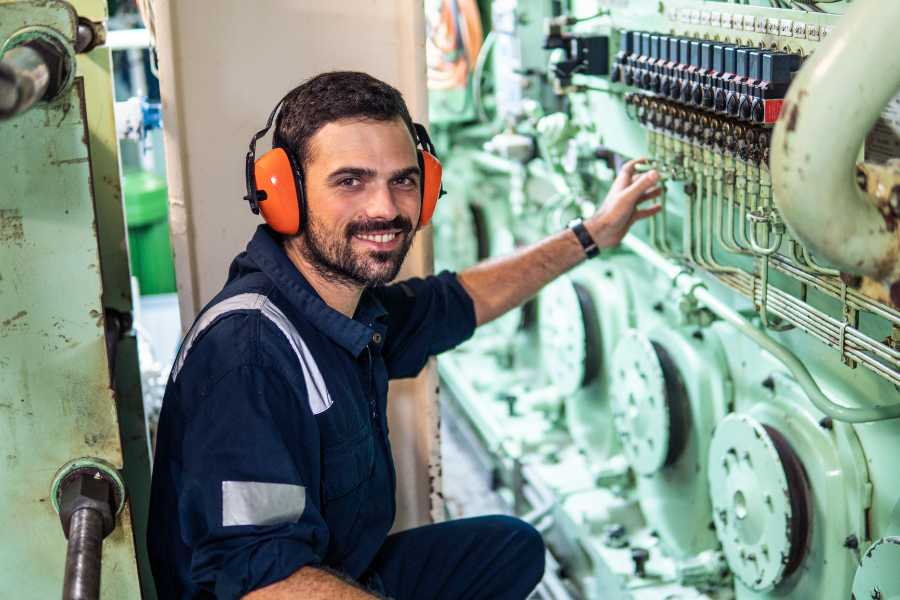
Marine consultants bring a depth of knowledge spanning engineering, operations, safety, environmental performance, and commercial strategy. Their role is to help vessel owners, operators and developers make informed decisions that reduce risk and improve efficiency.
Their expertise covers areas such as:
- Vessel design and modification
- Stability analysis and structural assessment
- Regulatory compliance and certification
- Environmental impact and sustainability planning
- Operational optimisation and fuel efficiency
- Risk management and safety protocols
- Feasibility studies for new projects
- Technical due diligence for acquisitions
In an industry where a single oversight can lead to costly delays or compliance issues, consultants provide clarity and direction. They help ensure that vessels and operations meet international standards while remaining commercially viable.
The Role of Naval Architects
Naval architects sit at the heart of vessel design and engineering. Their work shapes everything from hull form and propulsion to structural integrity and onboard systems. They combine creativity with technical precision, ensuring that vessels are safe, efficient and fit for purpose.
Key responsibilities include:
- Concept and detailed vessel design
- Hydrodynamic performance modelling
- Structural calculations and finite element analysis
- Stability assessments and load calculations
- Integration of propulsion and power systems
- Compliance with class rules and flag‑state requirements
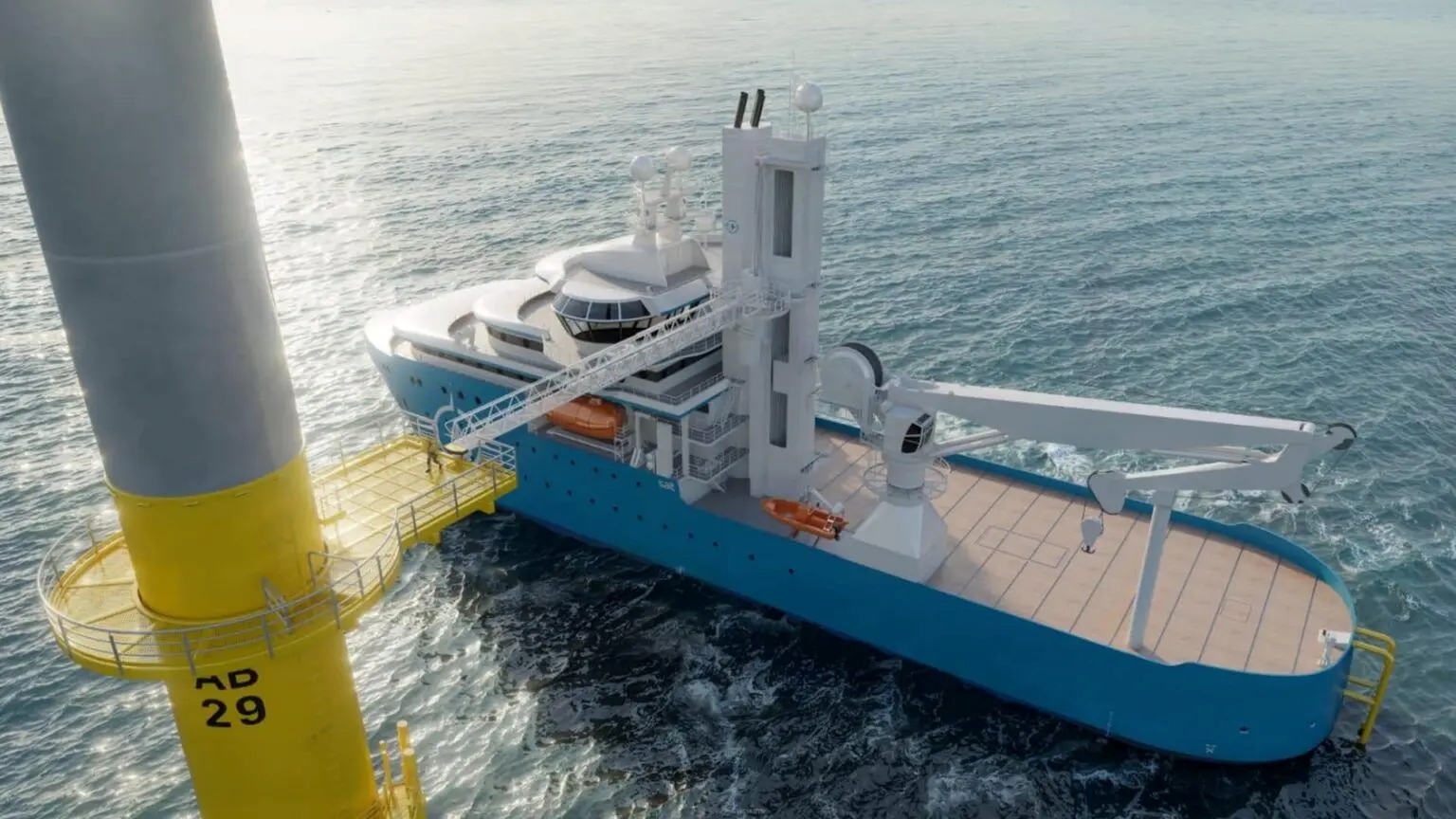
Whether designing a new offshore support vessel or modifying an existing craft for new duties, naval architects ensure that every decision is grounded in engineering science and regulatory compliance.
Supporting Safety, Efficiency and Profitability

Marine consultants and naval architects play a direct role in improving operational performance. Their insights can lead to:
- Reduced fuel consumption
- Lower maintenance costs
- Improved safety protocols
- Enhanced crew comfort and efficiency
- Longer vessel lifespan
- Better environmental performance
They also help companies avoid costly mistakes. A poorly planned modification, an overlooked regulation or an inefficient hull design can have long‑term financial consequences. Consultants help identify risks early and propose solutions that protect both the vessel and the business.
Navigating Regulations and Industry Standards
The maritime sector is governed by a complex web of international laws, class rules and environmental regulations. Keeping up with these requirements is a challenge for any operator.
Marine consultants specialise in:
- IMO compliance
- Class society approvals
- Flag‑state regulations
- Emissions and environmental standards
- Safety management systems
- Documentation and certification
Their guidance ensures that vessels remain compliant throughout their lifecycle, avoiding delays, penalties or operational restrictions.
Driving Innovation and Sustainability
As the industry shifts towards greener technologies, consultants and naval architects are leading the way. They help operators explore:
- Hybrid and electric propulsion
- Alternative fuels
- Energy‑efficient hull designs
- Emissions‑reduction strategies
- Lightweight materials and advanced composites
Their ability to blend innovation with practicality makes them invaluable partners in the transition to cleaner, more sustainable marine operations.
Why Sourcing the Right Expert Matters
Not all consultants are the same. Some specialise in offshore energy, others in commercial shipping, fishing vessels, workboats or leisure craft. Some focus on design, others on compliance, operations or environmental performance.
Choosing the right expert ensures:
- Relevant experience
- Sector‑specific knowledge
- Faster problem‑solving
- Better project outcomes
- Reduced risk
This is where a curated directory becomes essential.
Using Seaplant to Find Marine Consultants and Naval Architects
Seaplant’s Marine Consultants directory provides a centralised resource for sourcing trusted professionals across the maritime sector. It allows users to explore specialists in:
- Naval architecture
- Marine engineering
- Vessel design and modification
- Offshore project consultancy
- Environmental and regulatory compliance
- Operational optimisation
- Risk assessment and safety management
By browsing company profiles, operators can quickly identify consultants with the right expertise, track record and industry focus. This saves time, reduces uncertainty and ensures that projects are supported by qualified professionals.
Best Practice When Selecting a Marine Consultant
To get the most from your consultant, consider the following steps:
- Define your needs clearly. Are you designing a new vessel, modifying an existing one, improving efficiency or addressing compliance issues?
- Check relevant experience. Look for consultants who have worked on similar vessel types or project scopes.
- Review qualifications and accreditations. Membership of professional bodies and class‑approved experience are strong indicators of quality.
- Ask for case studies. Past projects reveal a consultant’s strengths and approach.
- Assess communication style. Clear, proactive communication is essential for complex marine projects.
Consider long‑term support. Many consultants provide ongoing assistance, from design through to sea trials and operational optimisation.
Conclusion: Expertise That Shapes the Future of Marine Operations
Marine consultants and naval architects are more than technical advisors—they are strategic partners who help shape safer, more efficient and more sustainable marine operations. Their knowledge supports better decision‑making, reduces risk and drives innovation across the industry.
With the help of a trusted directory, sourcing the right expert becomes far easier.
Whether you’re planning a new build, upgrading an existing vessel or navigating regulatory challenges, the right consultant can make all the difference.
Add Your Company
Please contact us if you would like to add your company to our ever-growing offshore marine directory.