Marine Pumps & Fluid Handling: Identifying Reliable Pump Suppliers
Tuesday, 9th June 2026
If you work in the marine world, you already know how important pumps are. They keep vessels safe, stable and operational.
They move fuel, cool engines, shift ballast, clear bilges and support firefighting systems. When a pump fails at sea, everything stops. That is why choosing the right pump supplier matters more than most people think.
The marine sector depends on pumps that handle tough conditions. Saltwater. Vibration. Heat. Long running hours. Tight spaces. You need equipment that stays reliable when the sea throws its worst at you.
And you need suppliers who understand your vessel, your job and your deadlines.
This guide walks you through what to look for when picking a pump supplier. It also shows why your choice affects safety, cost and long-term performance. If you want a shortcut, you can explore trusted suppliers in the Seaplant directory.
It lists companies that work with marine pumps every day and understand the industry’s demands.
Why Pump Suppliers Matter
A good pump supplier does more than sell equipment. They help you choose the right materials, flow rates and configurations. They understand marine regulations. They know how pumps behave in real sea conditions. And they support you with spares, servicing and advice.
Here is what a reliable supplier brings.
- Knowledge of marine pump types
- Understanding of corrosion risks
- Correct sizing for flow and pressure
- Advice on materials for saltwater
- Support with installation
- Access to spares
- Fast response when something fails
- Long term maintenance options
When you pick the wrong supplier, you get pumps that wear out fast. You get leaks. You get overheated. You get downtime. And downtime at sea is expensive.

What Marine Pumps Do
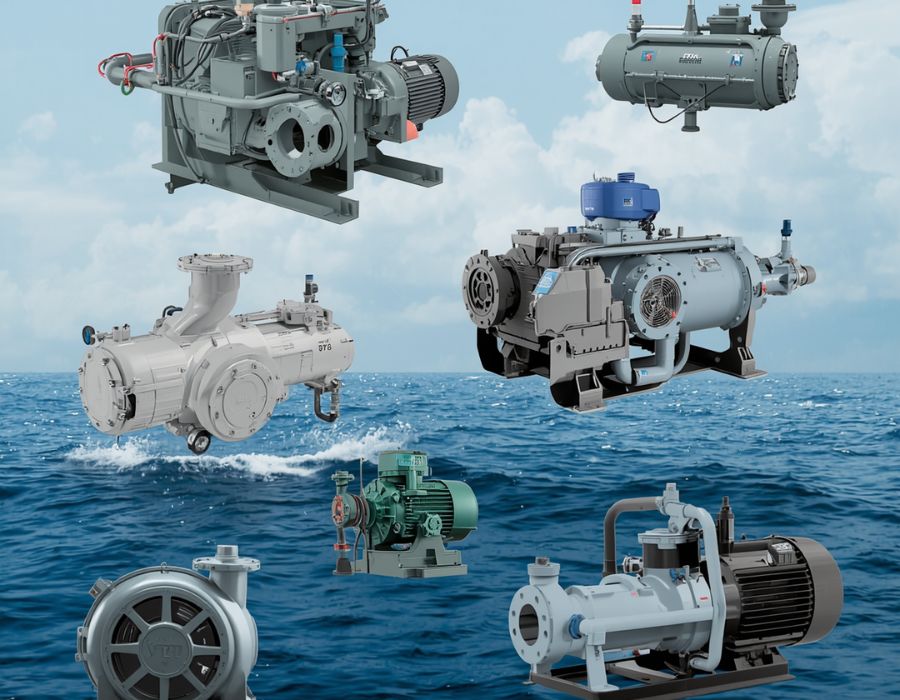
Marine pumps handle a wide range of jobs. Each job needs a different design, material and flow rate.
Here are the main types you see on vessels.
- Bilge pumps
- Ballast pumps
- Fuel transfer pumps
- Cooling water pumps
- Fire pumps
- Sewage pumps
- Hydraulic pumps
- General service pumps
Each pump works under different loads. Some run for minutes. Some run for hours. Some run all day. A supplier who understands these patterns helps you avoid early failures.
How to Pick a Pump Supplier
You want a supplier who knows the marine sector. Someone who understands saltwater, vibration, temperature swings and long running hours. Here are the key things to check.
Material Knowledge
Saltwater destroys the wrong materials.
A good supplier guides you toward options that last.
- Bronze
- Stainless steel
- Duplex alloys
- Coated cast iron
- Composite materials
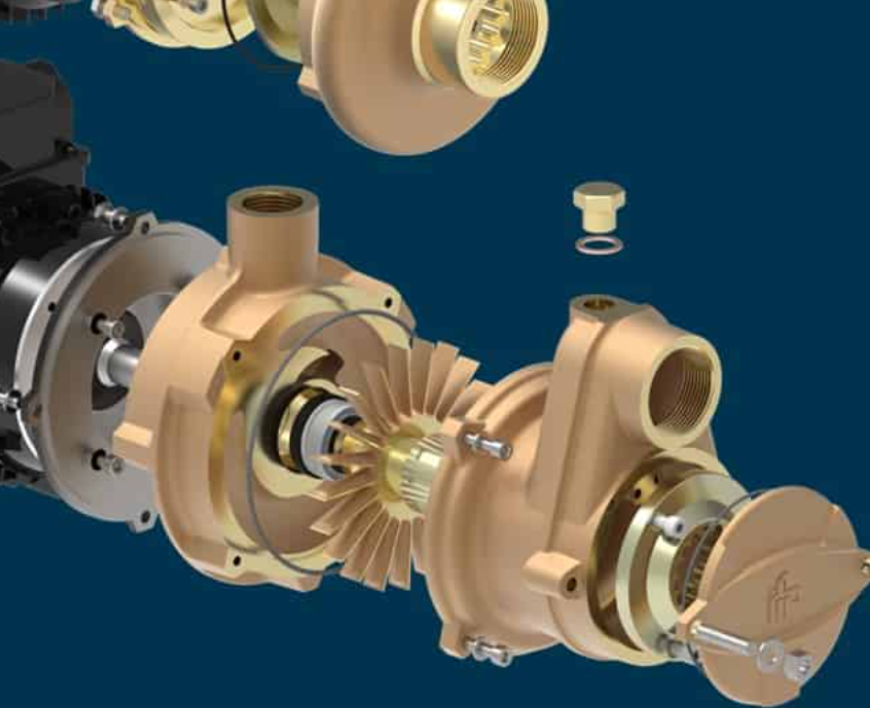
Each material behaves differently. Bronze handles seawater well. Stainless steel works for fuel and chemicals. Duplex alloys resist corrosion in harsh conditions. A supplier who knows these differences saves you money and stress.
Flow Rate and Pressure
Flow rate is the volume of liquid moved per minute.
Pressure is the force needed to move it.
If either is wrong, the pump struggles.
- Too low and the system starves
- Too high and the pump overheats
- Wrong pressure and seals fail
A reliable supplier sizes pumps correctly. They look at pipe length, height, bends and restrictions. They check the engine cooling needs. They match the pump to the job.
Marine Conditions
Pumps on vessels face conditions you do not see on land.
- Constant vibration
- Shock loads
- Heat from engines
- Cold seawater
- Tight spaces
- Irregular running cycles
A supplier with marine experience knows how pumps behave in these conditions. They recommend designs that stay stable and safe.
Support and Spares
A pump is only as good as the support behind it. You want suppliers who stock spares and respond fast.
- Impellers
- Seals
- Bearings
- Motors
- Housings
- Gaskets
When a pump fails offshore, you need help quickly. A supplier with strong support keeps your vessel running.

Real World Marine Experience
Talk to any engineer at sea and you hear the same stories. A bilge pump that clogged during a storm. A cooling pump that lost pressure during a long run. A fire pump that needed a new seal at the worst moment. These things happen. But they happen less when you choose the right supplier.
Here is a real example. A workboat operator replaced a cooling pump with a cheaper unit. It looked fine on paper. But the material was wrong for seawater. Corrosion started fast. The impeller wore down. The engine overheated. The vessel lost a full day of work. A supplier with marine knowledge would have stopped that from happening.
Another example. A fishing vessel used a pump with the wrong flow rate for its fuel transfer system. The pump ran too hard. It overheated. The seals failed. Fuel leaked into the bilge. The crew had to shut down operations. A supplier who understood flow and pressure would have sized the pump correctly.
These stories show why supplier choice matters. You want someone who knows the sea, not someone who only knows catalogues.
Examples of Pump Types and When They Matter
Bilge Pumps: These clear water from the lowest part of the vessel. They need strong flow and reliable sensors. Saltwater and debris cause problems. A good supplier recommends pumps with corrosion-resistant materials and easy access for cleaning.
Ballast Pumps: These shift water to balance the vessel. They need high flow and strong motors. A supplier checks your tank layout and pipe runs.
Cooling Pumps: These keep engines at safe temperatures. They run for long periods. They need a stable flow and strong seals. A supplier with marine experience knows which models stay reliable.
Fire Pumps: These support firefighting systems. They need an instant start and strong pressure. A supplier helps you meet safety rules.
Fuel Transfer Pumps: These move fuel between tanks. They need materials that resist diesel and contamination. A supplier checks compatibility and flow.
Sewage Pumps: These handle waste. They need clog-resistant designs. A supplier helps you pick pumps that stay reliable.
Hydraulic Pumps: These power winches, cranes and steering. They need stable pressure. A supplier checks your system load.
Where to Find Reliable Marine Pump Suppliers
If you want trusted suppliers, the Seaplant directory is a strong place to start. It lists companies that work with marine pumps daily. They understand vessel needs. They know the conditions. They stock the right materials. And they support you with spares and servicing.
Mini FAQ
What makes a pump suitable for marine use
Materials that resist corrosion, stable flow, strong seals and designs that handle vibration.
Why flow rate matters
Flow rate affects cooling, ballast, fuel transfer and bilge clearing. Wrong flow causes failures.
Why pump materials matter
Saltwater destroys the wrong materials. Bronze, stainless steel and duplex alloys last longer.
How to avoid pump failure
Pick the right supplier, choose the correct materials, size pumps properly and maintain them.
Takeaway
Reliable pumps keep vessels safe and operational. Picking the right supplier protects your crew, your equipment and your schedule.
If you want pumps that last, choose suppliers who understand the sea.
And if you want a simple way to find them, the Seaplant directory gives you a trusted starting point.