Seaplant’s Role in Offshore Wind: How the Directory Supports Spreadsheet to Seabed Projects
Friday, 4th September 2026
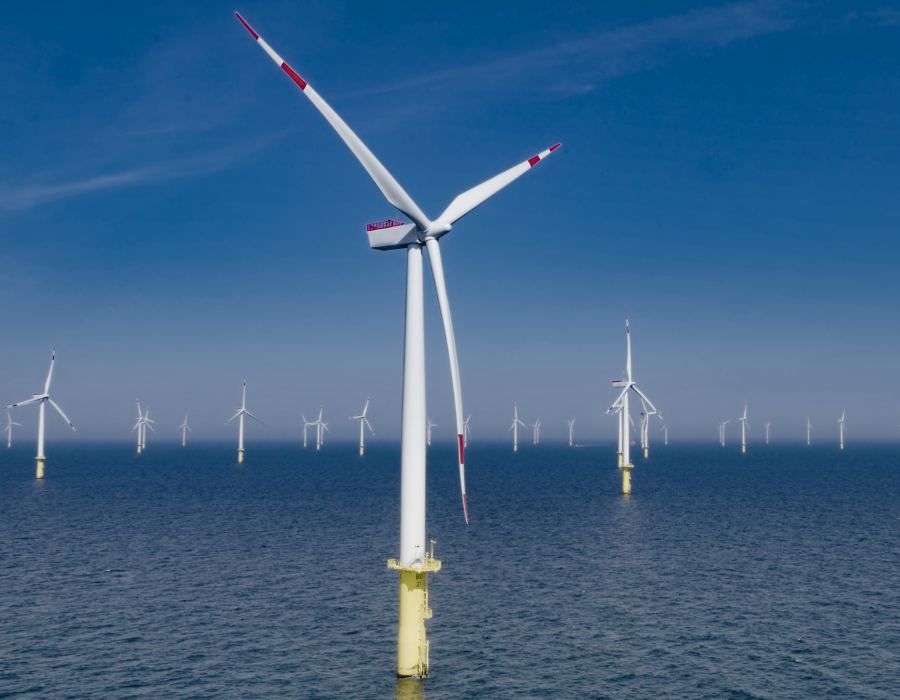
Offshore wind development depends on a supply chain that is far more complex than the turbines seen on the horizon.
Every project begins with feasibility studies, modelling and procurement spreadsheets, and ends with foundations, cables and offshore assets installed on the seabed.
Seaplant’s supplier directory supports this entire journey by connecting developers, EPC contractors, vessel operators and engineering consultancies with the specialist companies required at each stage.
From early‑stage consultancy to turbine foundation construction, the directory acts as a structured gateway into the marine supply chain.
Why Offshore Wind Needs a Connected Marine Supply Chain
Offshore wind projects involve thousands of components, dozens of contractors and multiple regulatory bodies.
According to the International Renewable Energy Agency (IRENA), global offshore wind capacity is expected to reach 380 GW by 2050, driven by deeper water sites, larger turbines and more complex installation campaigns.
This growth increases pressure on the marine supply chain, making supplier selection critical for project reliability, cost control and schedule integrity.
Seaplant’s directory supports this complexity by organising suppliers into clear categories, allowing project teams to move from planning spreadsheets to operational execution without losing visibility of the companies they need.
Supporting Early‑Stage Consultancy and Feasibility Work
Before any offshore wind project reaches the water, developers rely on consultancy firms for:
- Site selection and seabed analysis
- Environmental impact assessments
- Met‑ocean data modeling
- Cable route planning
- Foundation concept design: High‑authority organisations such as The Crown Estate and ORE Catapult publish guidance on site leasing, seabed conditions and engineering requirements.
Seaplant’s directory helps developers identify specialist consultancies and survey companies that can deliver these early‑stage studies.
Marine Survey, Geotechnical and Subsea Specialists
Once a site is selected, offshore wind developers require detailed seabed data.
This includes geophysical surveys, geotechnical sampling, UXO clearance and cable corridor mapping.
Seaplant’s network includes suppliers offering:
- Multibeam and side‑scan sonar surveys
- CPT and borehole sampling
- Subsea inspection and ROV services
- UXO detection and disposal These services align with standards published by DNV in their offshore wind design guidelines (source: https://www.dnv.com).
Foundation Fabrication and Heavy Marine Construction
Turbine foundations—monopiles, jackets, gravity bases and floating platforms—represent some of the largest offshore structures ever built.
According to DNV’s Offshore Wind Market Report, monopiles now exceed 2,500 tonnes and require specialist fabrication yards and marine contractors.
Seaplant’s directory connects developers with:
- Steel fabricators
- Welding and NDT specialists
- Coating and corrosion‑protection companies
- Load‑out and heavy‑lift contractors
- Marine civils and port‑upgrade specialists These suppliers support the transition from design to physical construction.
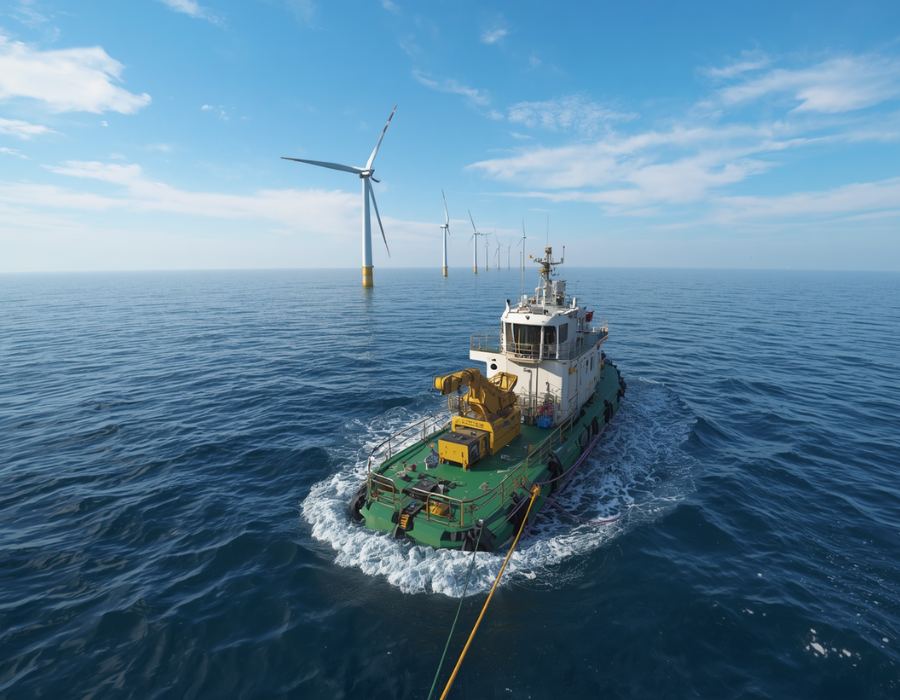
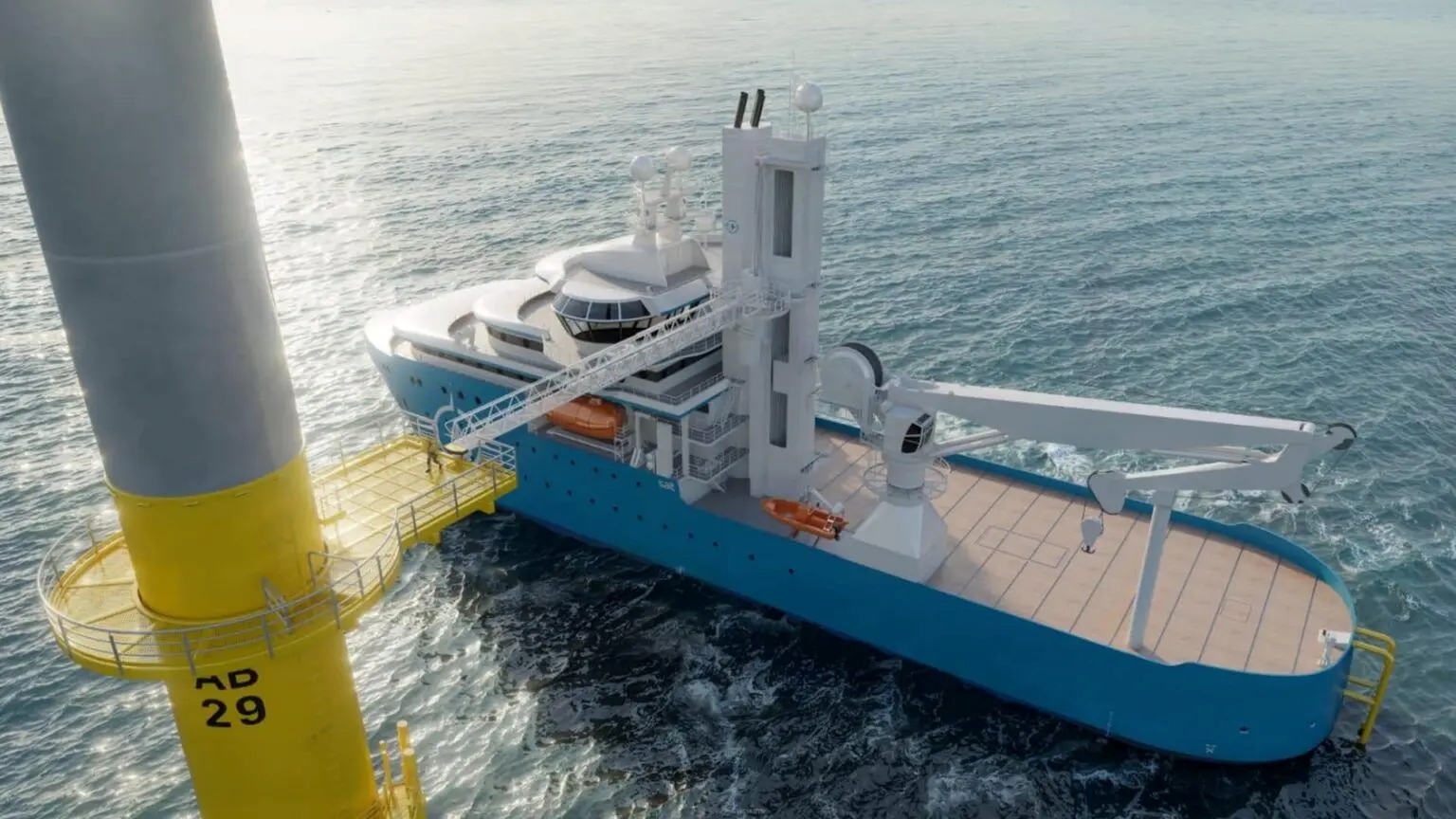
Marine Logistics, Workboats and Offshore Support Vessels
Offshore wind installation relies on a diverse fleet of vessels. Seaplant’s directory includes operators providing:
- CTVs and SOVs
- Jack‑up installation vessels
- Anchor‑handling tugs
- Cable‑laying vessels
- Barges and floating platforms:
The Global Wind Energy Council (GWEC) notes that vessel availability is one of the biggest bottlenecks in offshore wind expansion.
Seaplant helps developers identify vessel operators early, reducing scheduling risk.
Cable Supply, Burial and Protection Systems
Export and array cables are critical infrastructure. Failures are costly and difficult to repair.
Seaplant’s directory supports the cable supply chain by listing companies specialising in:
- HV cable manufacturing
- Cable storage and logistics
- Cable‑laying equipment
- Trenching and burial systems
- Rock dumping and scour protection.
These suppliers follow standards from IEC 60228 and DNV‑RP‑0360, ensuring compliance with global cable‑installation requirements.
Mooring, Anchoring and Floating Wind Systems
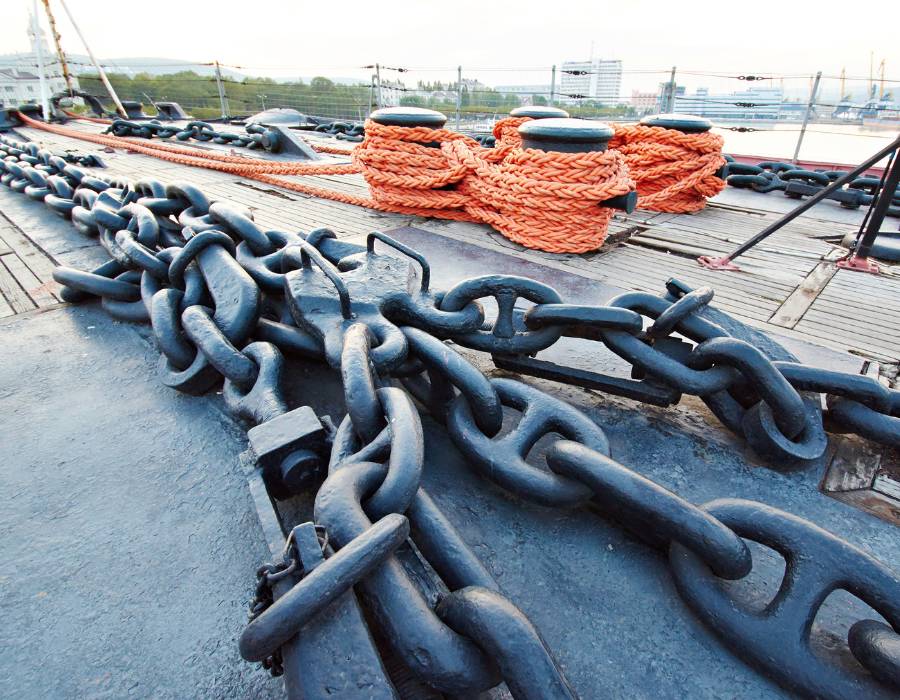
Floating offshore wind is expanding rapidly.
According to IEA Offshore Wind Outlook, floating wind could reach 70 GW by 2040.
Floating platforms require advanced mooring systems, chain, anchors and tensioning equipment.
Seaplant’s directory includes suppliers offering:
- High‑holding‑power anchors
- Stud‑link chain
- Mooring connectors
- Load‑monitoring systems
- Installation support vessels These components are essential for floating wind stability and long‑term performance.
Hydraulics, Engines and Power Systems for Offshore Assets
Offshore wind construction and maintenance rely heavily on hydraulic systems, diesel engines and power‑generation equipment.
Seaplant’s supplier network covers:
- Marine diesel engines and spares
- Hydraulic pumps, valves and cylinders
- Winches, cranes and lifting systems
- Power‑pack assemblies
- • Emergency backup systems.
These suppliers help maintain operational continuity across installation vessels, barges and port‑side equipment.
Environmental, Safety and Compliance Support
Offshore wind projects must comply with strict environmental and safety regulations. High‑authority bodies such as Marine Scotland and NOAA Gov publish guidelines on marine protection, noise mitigation and wildlife impact.
Seaplant’s directory includes companies specialising in:
- Marine mammal observation
- Noise‑reduction systems
- Spill‑response equipment
- Safety gear and PPE
- Environmental monitoring platforms.
These suppliers help developers meet regulatory obligations throughout the project lifecycle.
From Spreadsheet to Seabed: How Seaplant Connects the Supply Chain.
Offshore wind projects begin with spreadsheets—procurement lists, planning documents, risk registers and engineering schedules.
Seaplant’s directory acts as the bridge between these planning tools and the real‑world suppliers who deliver the work.
- Developers use the directory to identify early‑stage consultants.
- Engineers use it to source fabrication and construction partners.
- Vessel operators use it to find mooring, hydraulic and engine specialists.
- Marine contractors use it to locate cable, lifting and subsea suppliers.
- Project managers use it to maintain visibility across the entire supply chain. This structured approach reduces procurement risk, improves schedule reliability and ensures that every component—from turbine bolts to mooring anchors—comes from trusted marine‑sector specialists.
Join Seaplant Today

If you’re a professional working within the offshore, marine, subsea or coastal‑engineering sectors and would like your company to be part of the ever‑growing Seaplant Exchange business directory, we’d be delighted to welcome you.
Joining the directory places your organisation directly in front of thousands of relevant marine businesses, procurement teams, vessel operators, engineers and decision‑makers who use Seaplant every day to source trusted suppliers.
Your listing appears both in our online directory and in our long‑established printed monthly magazine, giving your business continuous visibility across the wider marine industry. To enquire about joining, simply contact us at info@seaplant.com or click this link to submit your details.
Becoming part of the Seaplant Exchange ensures your products, services and expertise are seen by the companies that matter — from shipyards and offshore contractors to port authorities and marine‑equipment buyers.
Join us today and strengthen your presence across the global marine supply chain.