The Global Supply Chain Behind Marine Diesel Engine Spares — And Why It Matters
Thursday, 2nd July 2026
Marine diesel engines remain the backbone of global shipping, offshore support operations and heavy marine construction.
Their reliability depends on a supply chain that stretches across continents, OEM networks, class societies, logistics hubs and specialist service providers.
For technical managers, chief engineers and fleet operators, understanding how this supply chain works is essential for maintaining uptime, protecting assets and meeting compliance requirements.
Why Diesel Engine Spares Are a Supply Chain Priority
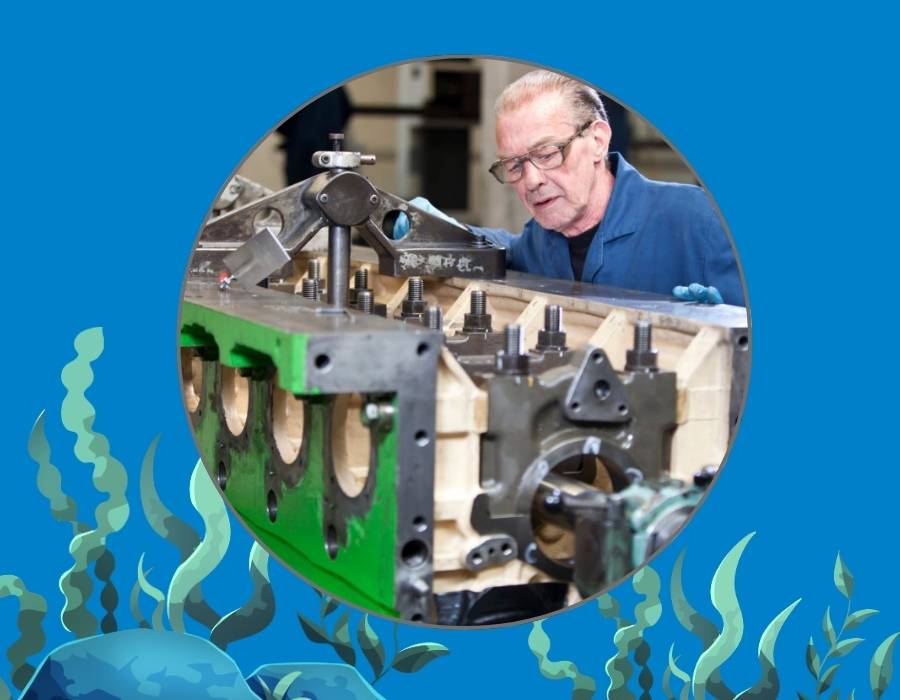
Marine diesel engines operate under extreme loads, long duty cycles and harsh environmental conditions. Components such as injectors, pistons, liners, turbocharger parts, pumps and cooling‑system elements must meet strict tolerances.
Organisations like the International Maritime Organisation and IACS set regulatory frameworks that influence emissions, safety and maintenance standards.
When spares are delayed, unavailable or non‑compliant, the operational impact is immediate. Offshore vessels lose charter time. Cargo vessels miss port windows. Fuel efficiency drops. Engine wear accelerates. The supply chain is not a background process. It is a core operational function.
How the Global Diesel Engine Spares Network Operates
The supply chain behind marine diesel engine spares is built on several interconnected layers.
- OEM manufacturing centres in Europe and Asia
- Certified distributors in major maritime hubs
- Class‑approved workshops for reconditioning
- Global logistics partners managing bonded storage
- Technical service teams supporting installation and troubleshooting
High‑authority OEMs such as MAN Energy Solutions, Wärtsilä, Caterpillar Marine and Yanmar Marine anchor the supply chain with documented quality control and traceability. Their components move through certified channels to ensure compliance with class societies like Lloyd’s Register and Bureau Veritas Marine.
Traceability, Certification and Compliance
Professionals in the offshore and commercial sectors know that documentation is as important as the part itself. Class societies require proof of origin, material certificates and service records. Without traceability, a spare part becomes a compliance risk. Reputable suppliers maintain digital tracking systems, serial‑number verification and OEM‑approved documentation. This protects operators during audits, PSC inspections and warranty claims.
Lead Times, Stockholding and Global Mobilisation
Marine diesel engine spares often need to reach vessels operating far from major ports.
Lead times depend on:
- OEM production schedules
- Regional stock availability
- Customs clearance
- Bonded warehouse access
- Air‑freight capacity
- Local agent performance
A single delay can disrupt an entire offshore campaign. This is why operators rely on suppliers with multi‑region stockholding, 24/7 mobilisation and strong logistics capability.
Logistics partners such as Kuehne+Nagel and DHL Global Forwarding play a major role in moving critical spares quickly.
Counterfeit Risk and the Need for Trusted Channels
Counterfeit diesel engine spares remain a documented threat. Reports from InterManager and IACS highlight the operational and safety risks associated with non‑genuine components.
A counterfeit injector or bearing can cause catastrophic engine failure. Trusted suppliers mitigate this risk through OEM partnerships, controlled distribution channels and strict quality assurance.
Reconditioning and the Circular Supply Chain
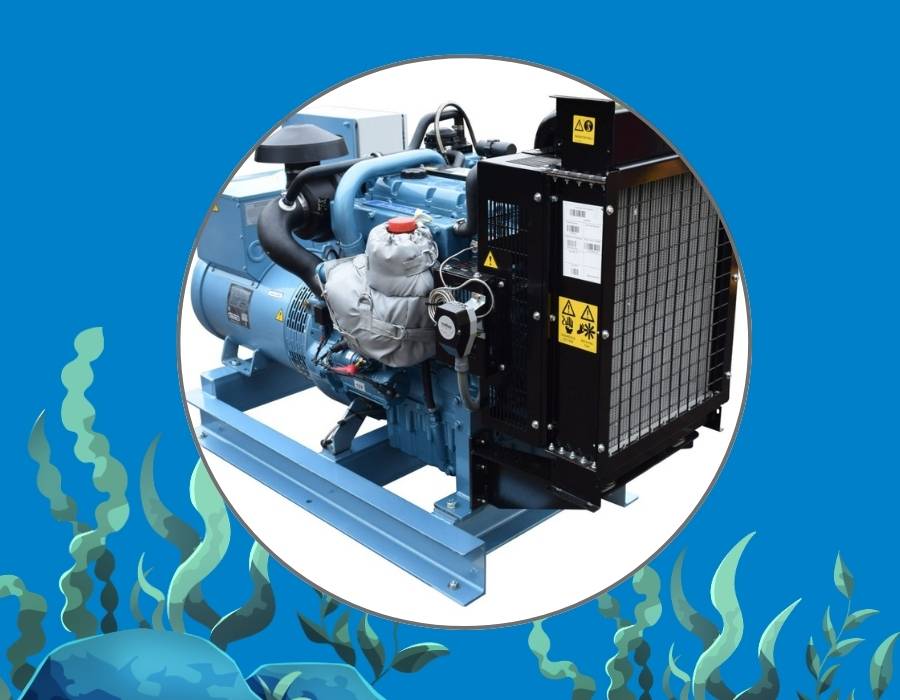
Reconditioned diesel engine components are essential for cost control and operational continuity. Turbochargers, cylinder heads, fuel pumps and water‑cooled parts are routinely overhauled by class‑approved workshops. High‑DA technical authorities such as Kongsberg Maritime and Rolls‑Royce Marine publish guidelines on acceptable reconditioning standards. When done correctly, reconditioned parts meet OEM tolerances and extend asset life while supporting sustainability targets.
Digitalisation and Predictive Spare‑Part Planning
Digital fleet‑management systems are reshaping the diesel engine spares supply chain. Condition‑based monitoring, remote diagnostics and predictive maintenance tools from companies like ABB Marine & Ports and Wärtsilä Expert Insight allow operators to forecast spare‑part demand before failures occur. This reduces emergency orders, improves planning and lowers operational risk.
Why Supplier Selection Is a Strategic Decision
For marine professionals, choosing the right supplier is not a procurement task. It is a risk‑management decision.
The best suppliers offer:
- OEM‑certified diesel engine spares
- Global stock availability
- 24/7 mobilisation
- Class‑approved documentation
- Technical support
- Transparent traceability
- Strong logistics capability
The Seaplant directory provides access to vetted suppliers who understand the demands of offshore and commercial marine operations.
Takeaway
The global supply chain behind marine diesel engine spares is a critical part of vessel reliability, operational safety and compliance.
Offshore and commercial operators depend on suppliers who deliver genuine parts, maintain the integrity of documentation, and mobilise quickly across regions.
As diesel engines evolve and regulatory pressure increases, the importance of a strong, trusted supply chain will only grow. For shipowners, fleet managers and technical teams, investing in reliable suppliers is essential to protecting assets, schedules and long‑term operational performance.