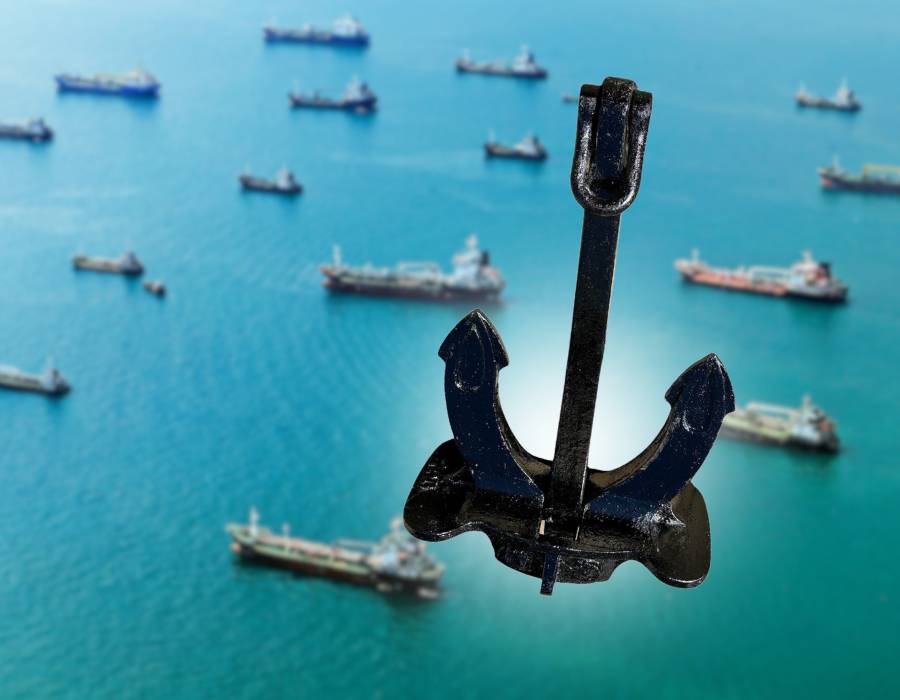
Beyond the Bow: How Anchor Systems Support Modern Mooring Operations
Thursday, 2nd July 2026
Anchor systems remain one of the most critical components in offshore marine operations, even as vessels, projects and environmental demands continue to scale upward.
For professionals working offshore, anchors are not simply holding tools. They are engineered load‑management assets that influence station‑keeping performance, operational efficiency and overall project safety.
Modern mooring strategies rely on predictable anchor behaviour, accurate seabed interaction and equipment that performs consistently under dynamic loads.
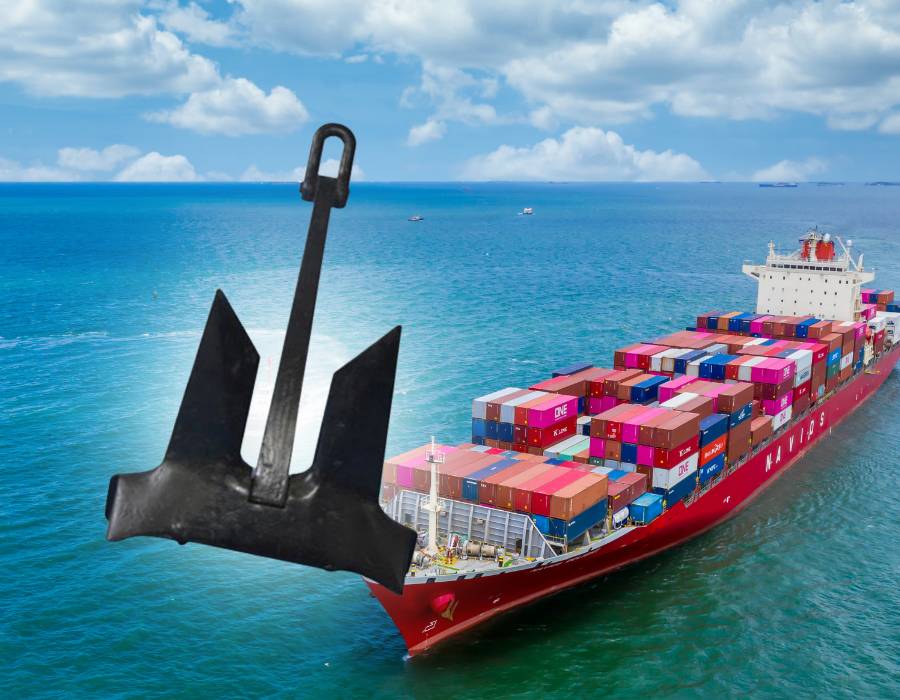
Why Anchor Systems Still Define Operational Stability
In offshore construction, cable installation, dredging, geotechnical work and heavy‑lift operations, positional accuracy is non‑negotiable.
Thruster‑only station‑keeping increases fuel burn, accelerates equipment fatigue and introduces unnecessary risk. Anchors reduce these variables.
They stabilise barges during crane lifts, support hybrid DP setups, maintain heading during subsea operations and provide redundancy when environmental conditions shift.
For operators managing tight tolerances, the anchor spread is often the deciding factor between operational continuity and forced downtime.
Modern Anchor Designs for Demanding Seabeds
Today’s offshore environments require anchors that perform reliably across varied seabed conditions.
High‑holding‑power designs, optimised fluke geometry and improved penetration characteristics allow anchors to achieve secure embedment in mud, clay, sand and mixed seabeds.
Offshore professionals increasingly rely on high‑holding‑power anchors for marine construction spreads, while plough‑type anchors remain standard for long‑term mooring and cable‑related work.
Material improvements, including high‑grade steels and corrosion‑resistant coatings, extend service life and reduce inspection frequency.
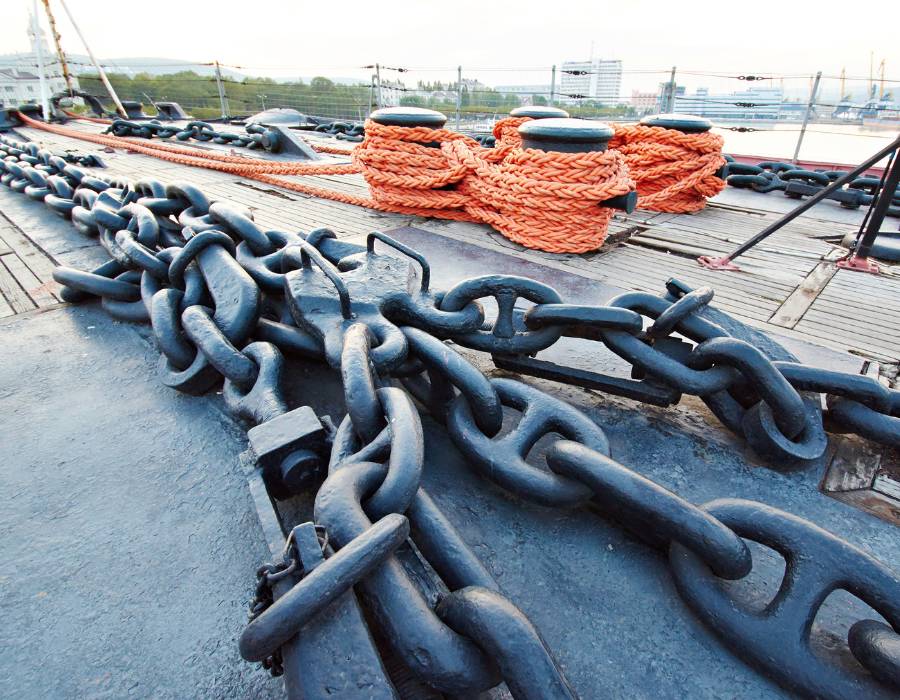
Chain, Connectors and Load Path Integrity
The anchor is only one part of the system. Chain grade, stud‑link configuration, connector selection and tension‑management hardware determine how the load is distributed.
Offshore teams routinely assess:
• Break load vs working load
• Corrosion rates in high‑salinity regions
• Fatigue behaviour under cyclic loading
• Compatibility with winches and fairleads
• Inspection intervals and NDT requirements
A well‑designed load path reduces shock loading, improves anchor set performance and ensures predictable behaviour during peak environmental forces.
Anchor Handling and Deployment Precision
Anchor handling remains a specialist discipline. AHVs, winch operators and deck crews must coordinate deployment angles, catenary profiles and tension levels with precision.
Poor deployment reduces holding power and increases drag risk. Offshore professionals rely on seabed survey data, real‑time tension monitoring and pre‑defined anchor patterns to ensure correct placement.
In offshore wind construction, for example, eight‑point mooring spreads are positioned with metre‑level accuracy to support heavy‑lift operations around foundations and transition pieces.
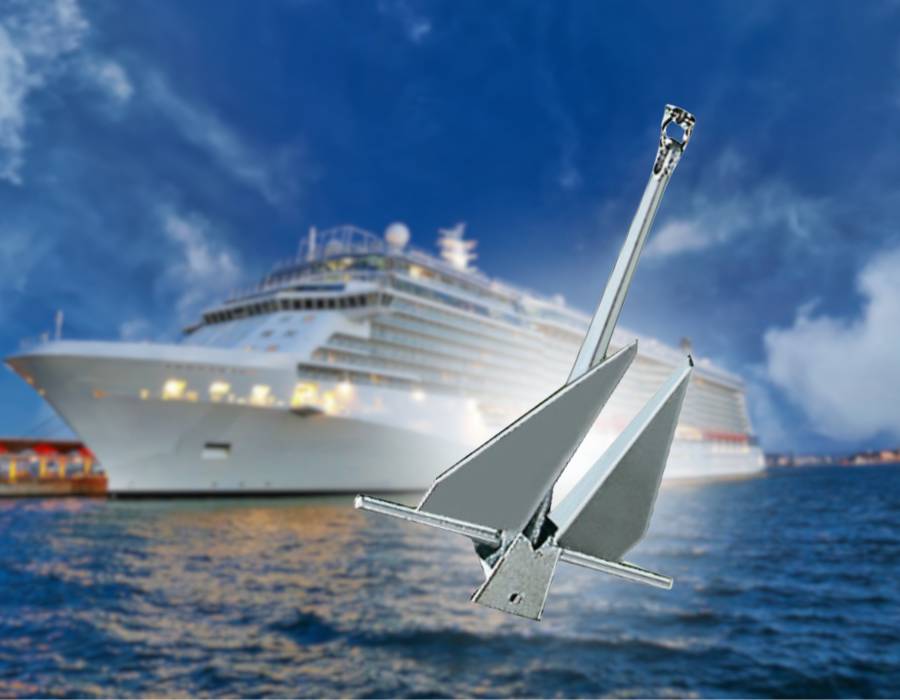
Operational Scenarios Where Anchors Are Critical
Offshore professionals encounter anchor‑dependent operations daily.
• Construction barges stabilised during monopile or jacket installation
• Cable‑laying vessels maintain straight‑line tension during burial
• Dredgers holding position during high‑load excavation
• Geotechnical vessels maintaining heading during coring operations
• Survey vessels requiring low‑drift positioning for long acquisition runs
• Floating assets using anchors as part of hybrid mooring or DP‑assist systems
Each scenario demands a tailored anchor spread, correct chain length and accurate tension management.
Seabed Interaction and Predictive Performance
Professionals understand that seabed variability is one of the biggest challenges in mooring. Modern operations rely on geophysical and geotechnical data to predict anchor penetration depth, holding capacity and breakout resistance.
Tools such as seabed surveys and soil sampling inform anchor selection and reduce the risk of drag events. Predictive models help operators plan anchor spreads that maintain integrity even under shifting environmental loads.
Inspection, Maintenance and Lifecycle Management
Anchor systems require structured lifecycle management.
Offshore teams routinely perform:
• Visual inspections for deformation or wear
• NDT on critical load‑bearing components
• Chain measurement and corrosion assessment
• Connector replacement based on fatigue cycles
• Load testing after refurbishment
A disciplined maintenance regime ensures anchors perform consistently across multiple campaigns and reduces the likelihood of unplanned recovery operations.
Why Supplier Selection Matters
Professionals know that anchor performance is directly tied to supplier capability. Reliable suppliers provide certified equipment, documented load ratings, traceable materials and support for installation planning.
The Seaplant directory offers access to trusted anchor and mooring specialists who understand offshore requirements and supply equipment suited to construction, wind, subsea and heavy‑lift operations.
In Conclusion
For offshore professionals, anchor systems are not basic hardware. They are engineered components that influence vessel stability, operational safety and project efficiency.
As offshore projects move into deeper water and harsher environments, the need for reliable anchor systems and knowledgeable suppliers becomes even more critical.
The right anchor spread, deployed correctly, remains one of the most dependable tools in modern marine operations.