Selecting a Lifting Specialist for Offshore Projects: Risks, Considerations, and Best Practice
Wednesday, 4th March 2026
Lifting operations sit at the heart of almost every offshore project. Whether it’s installing subsea infrastructure, loading heavy components onto a barge, assembling offshore wind turbines or conducting maintenance on a platform, the success and safety of the operation depend on the lifting specialist you choose. Offshore lifting is complex, high‑risk and highly regulated, and the wrong partner can introduce delays, hazards and costly downtime.
With so much at stake, selecting the right lifting provider is not simply a procurement decision—it’s a strategic one. Fortunately, tools like the Seaplant Lifting Equipment Directory make it easier to identify trusted companies with the right expertise, equipment and track record.
This guide explores the key risks, considerations and best practices when choosing a lifting specialist for offshore work, helping you make confident decisions that protect your people, your assets and your project timeline.
Why Offshore Lifting Requires Specialist Expertise
Offshore lifting is fundamentally different from land‑based lifting. The environment is dynamic, unpredictable and unforgiving. Waves, wind, vessel motion and limited deck space all influence how a lift must be planned and executed.
A competent lifting specialist understands:
- Load behaviour in a moving environment
- Dynamic forces and shock loads
- Vessel stability and deck strength
- Subsea lifting challenges
- Class and regulatory requirements
- Emergency procedures and contingency planning
The right partner brings not only equipment but also deep operational knowledge, reducing risk and ensuring compliance.
Understanding the Risks of Choosing the Wrong Provider
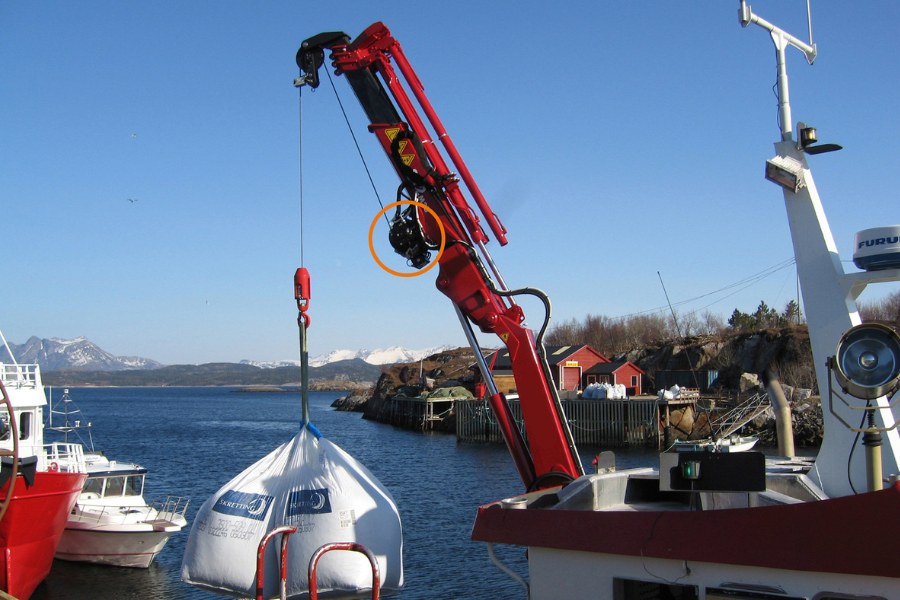
Selecting an inexperienced or poorly equipped lifting company can introduce significant risks.
Safety Hazards
Improper lifting can lead to dropped loads, equipment failure, vessel instability or injury to personnel. Offshore environments magnify these risks.
Project Delays
If a lifting provider lacks the right equipment or expertise, operations can stall, causing costly downtime and missed weather windows.
Regulatory Non‑Compliance
Offshore lifting must meet strict standards. Non‑compliant equipment or procedures can result in shutdowns, fines or rejected inspections.
Damage to Assets
Heavy components such as turbines, subsea structures or deck machinery are expensive. Incorrect lifting can cause irreparable damage.
Reputational Impact
A failed lift reflects poorly on all parties involved, especially in a sector where reliability is everything.
These risks highlight why careful selection is essential.
Key Considerations When Choosing a Lifting Specialist
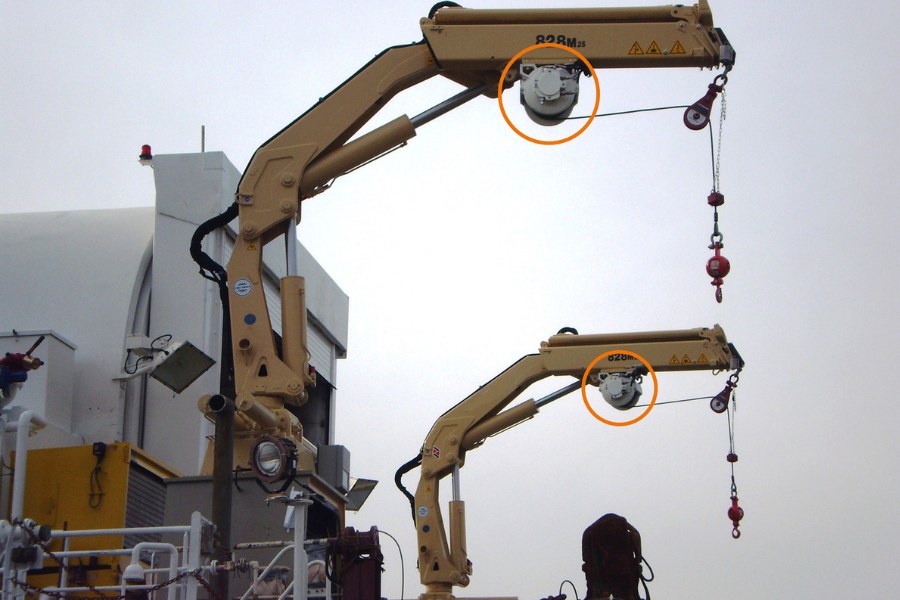
The Seaplant directory lists a wide range of lifting equipment suppliers, crane specialists and offshore lifting experts. When evaluating them, consider the following factors.
- Technical Capability and Equipment Range
A lifting provider must have equipment suited to offshore conditions. This includes:
- Offshore cranes
- A‑frames and davits
- Hydraulic winches
- Subsea lifting bags
- Load testing equipment
- Rigging and slings
- Spreader beams and lifting frames
Check whether the company offers:
- Equipment certified for offshore use
- Solutions for both topside and subsea lifting
- Redundancy options for critical operations
- Modern, well‑maintained machinery
A broad equipment range indicates experience and readiness for complex tasks.
- Certification and Compliance
Offshore lifting is governed by strict standards. Your chosen specialist must comply with:
- LOLER (Lifting Operations and Lifting Equipment Regulations)
- LEEA (Lifting Equipment Engineers Association) standards
- Classification society rules (DNV, Lloyd’s Register, ABS, Bureau Veritas)
- IMCA guidelines for offshore lifting
- ISO quality management systems
Ask for certificates, inspection records and maintenance logs. A reputable provider will supply them without hesitation.
- Experience with Offshore Environments
Experience matters more offshore than almost anywhere else. Look for companies with a proven track record in:
- Offshore wind
- Oil and gas
- Subsea construction
- Marine civils
- Vessel mobilisation
- Heavy‑lift barge operations
Review case studies, client testimonials and previous project summaries. Providers listed in the Seaplant directory often showcase their experience clearly, making comparisons easier.
- Engineering and Lift Planning Capability
A competent lifting specialist should offer engineering support, including:
- Lift plans and method statements
- Load calculations
- Risk assessments
- Dynamic load analysis
- 3D lift modelling
- Vessel stability checks
These services demonstrate a commitment to safe, well‑planned operations rather than simple equipment hire.
- Subsea Lifting Expertise
If your project involves subsea work, ensure the provider understands:
- Buoyancy systems
- Subsea rigging
- ROV‑compatible lifting points
- Controlled descent and ascent
- Water‑filled load testing
- Subsea recovery operations
Subsea lifting introduces unique challenges, and only specialists with the right equipment and experience should be considered.
- Load Testing and Inspection Services
Many offshore projects require proof load testing before equipment is approved for use. Look for providers offering:
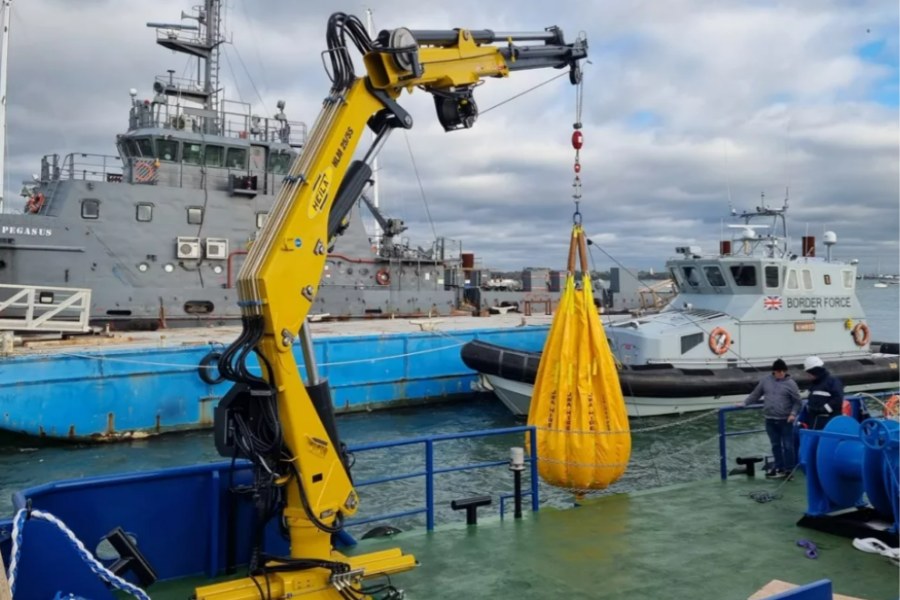
- Water‑bag load testing
- Crane load verification
- Rigging inspection
- NDT (non‑destructive testing)
- Certification renewal
This ensures your lifting equipment is safe, compliant and ready for offshore conditions.
- Response Time and Mobilisation Capability
Offshore projects often operate within tight weather windows. A lifting specialist must be able to mobilise quickly.
Consider:
- Proximity to your port or mobilisation site
- Availability of equipment
- Size of their logistics team
- Ability to support emergency repairs or replacements
Companies listed in the Seaplant directory often highlight their mobilisation strengths, helping you choose a partner who can meet your schedule.
- Maintenance, Reliability and Equipment Condition
Offshore lifting equipment must be maintained to the highest standard. Ask about:
- Maintenance schedules
- Inspection intervals
- Spare parts availability
- Equipment age and refurbishment history
Well‑maintained equipment reduces the risk of breakdowns during critical operations.
- Insurance and Liability Coverage
Ensure the provider carries appropriate insurance for:
- Offshore operations
- Lifting activities
- Equipment damage
- Third‑party liability
This protects your project from unforeseen incidents.
Using Seaplant’s Lifting Equipment Directory
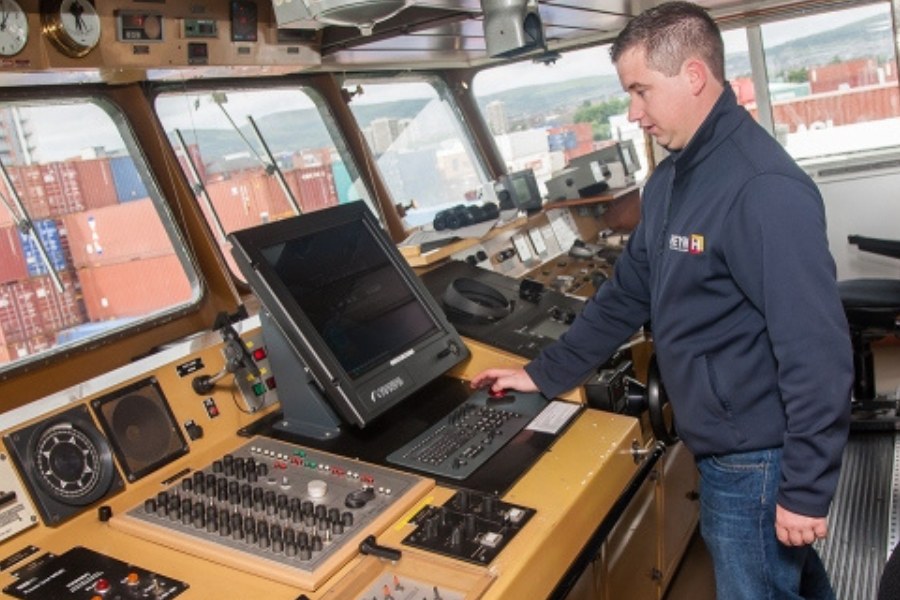
The Seaplant Lifting Equipment Directory is one of the most comprehensive resources for finding trusted lifting specialists.
It allows you to:
- Browse lifting equipment suppliers
- Compare crane and winch providers
- Identify subsea lifting experts
- Find companies offering load testing
- Explore rigging and hydraulic specialists
With hundreds of marine businesses listed, it’s an excellent starting point for building a shortlist of qualified partners.
Best Practice for Selecting a Lifting Specialist
To ensure you choose the right partner, follow these best‑practice steps:
- Define your lifting requirements clearly
- Shortlist providers using Seaplant’s directory
- Review certifications and compliance documents
- Assess equipment suitability and availability
- Request case studies and references
- Evaluate engineering and lift planning capability
- Confirm mobilisation timelines
- Review insurance and liability coverage
- Conduct a technical and commercial comparison
- Choose the provider who offers the best balance of safety, capability and value
This structured approach reduces risk and ensures your lifting operations are in safe hands.
Conclusion: A Strategic Decision That Shapes Project Success
Selecting a lifting specialist for offshore work is far more than a procurement exercise. It’s a decision that influences safety, efficiency and the overall success of your project. The right partner brings technical expertise, reliable equipment and a deep understanding of offshore challenges.
By using trusted resources such as the Seaplant Lifting Equipment Directory and applying the considerations outlined above, you can choose a lifting provider who supports your project from planning through execution with confidence and professionalism.