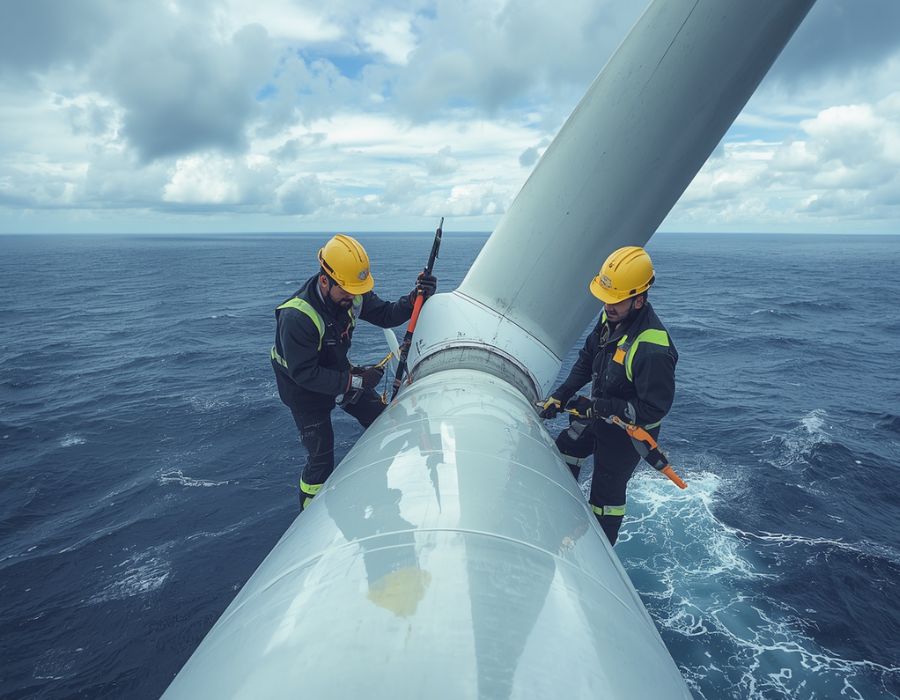
The Offshore Wind Boom: The Marine Suppliers Making It Possible
Tuesday, 9th June 2026
Offshore wind keeps growing because marine suppliers do the hard work that no one talks about.
You hear plenty about turbines, but the truth is simple. Offshore wind only works when hundreds of companies at sea keep everything moving. They move people, lift huge components, fix faults, install cables and keep vessels running. Without them, the whole industry slows down fast.
Why Offshore Wind Needs Marine Suppliers : Offshore wind depends on marine suppliers for transport, lifting, subsea work, safety, repairs and logistics. They stop downtime from eating into budgets and keep projects on schedule. And they do it in rough weather and tight time windows.
The Offshore Wind Industry
The offshore wind industry builds, installs and runs wind turbines at sea. These turbines turn wind into electricity for homes, businesses and transport. The industry works far from shore, often in rough conditions, and uses specialist vessels, engineers and equipment to keep everything running. You get clean power without using land space, and the output supports national energy targets.
The idea is simple. Put turbines where the wind is stronger and more consistent. Build them tall. Connect them to the grid. Keep them spinning. But the work behind it is huge. Offshore wind needs planning, surveys, construction, installation, maintenance and constant monitoring. Each stage uses skilled crews and marine suppliers who know how to work safely at sea.
Real projects show how much work goes into this. A new wind farm starts with months of surveys. Then fabricators build foundations. Tugs move barges into place. Divers install protection around the base. Cable ships lay long power lines. Heavy lift vessels install towers and blades. Once everything is running, technicians visit turbines for checks, repairs and upgrades.
The offshore wind industry supplies clean energy and supports thousands of jobs. It depends on strong marine support and steady investment. If you want reliable renewable power, you need the offshore wind sector working at full strength.
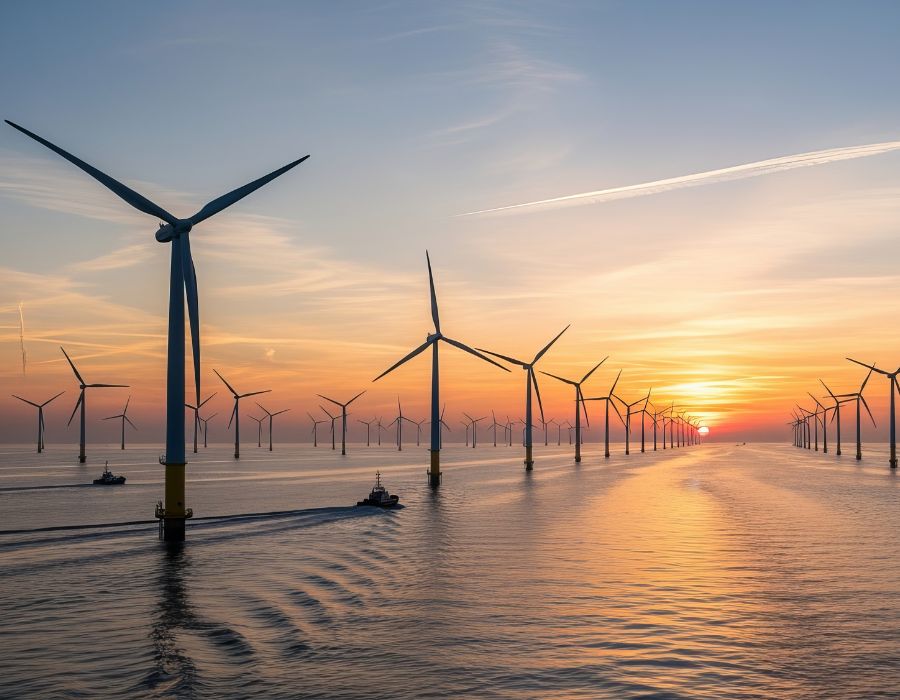
What Marine Suppliers Do
Key roles include:
- Workboat operators moving crews, tools and parts
- Heavy lift teams handling blades, towers and nacelles
- Subsea engineers installing and repairing cables
- Fabricators building ladders, platforms and access systems
- Safety suppliers providing lifejackets, rafts and fire systems
- Logistics teams fuelling vessels and moving equipment
- Maintenance crews fixing hydraulics, electrics and gearboxes
- Survey companies mapping the seabed and tracking conditions
- Mooring teams positioning barges and anchors
- Rope access teams climbing towers for inspections
Real Offshore Work Talk to anyone offshore and you hear the same stories.
Early starts. Tight weather windows. Long shifts. A diver waits for the tide to settle before reaching a cable joint. A lift supervisor checks wind speed every few minutes.
A technician climbs a tower with a backpack full of tools because a sensor stopped sending data. These moments keep turbines spinning.
Cable Installation Cable work looks simple on paper. In real life, it needs survey data, trenching gear, ROV pilots, jointers and deck crews.
One slip wastes hours. A damaged cable wastes weeks. Marine suppliers prevent these problems.
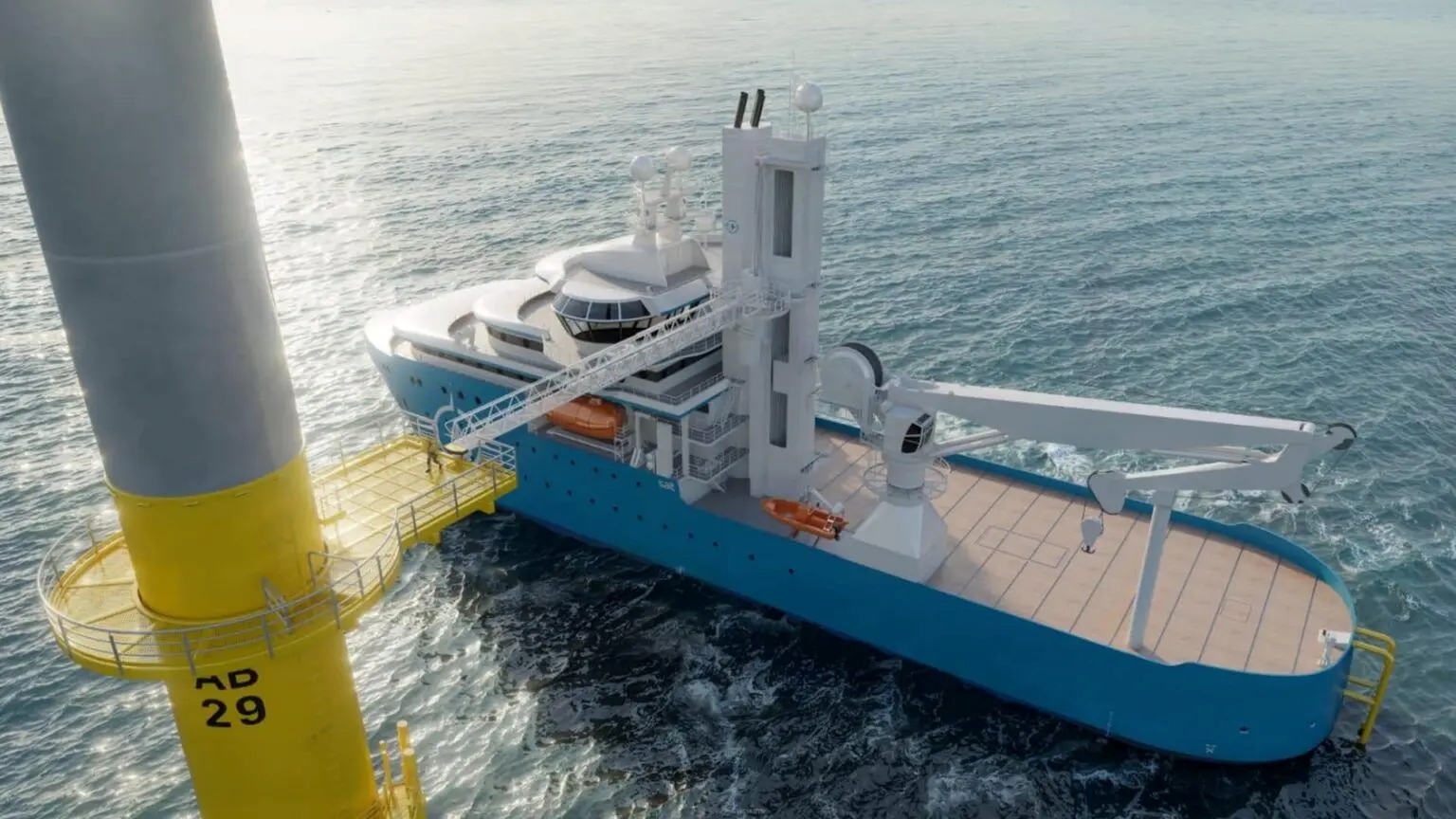
Heavy Lifts: Turbine components are huge. Lifting them offshore needs cranes, jack-up vessels, riggers and engineers. Weather changes fast. The people running these lifts keep projects safe and steady.
Maintenance of sea turbines needs constant care. Bearings heat up. Sensors stop talking. Saltwater creeps into everything. Marine suppliers send technicians, spare parts and support vessels to keep output steady.
Building the Structures Fabricators build transition pieces, platforms and foundations. They weld, coat and test everything so it lasts decades at sea. Their work forms the base of every project.
Safety Support Offshore work needs strict safety systems. Marine safety suppliers provide alarms, rafts, suits and training. They help crews stay confident and prepared.
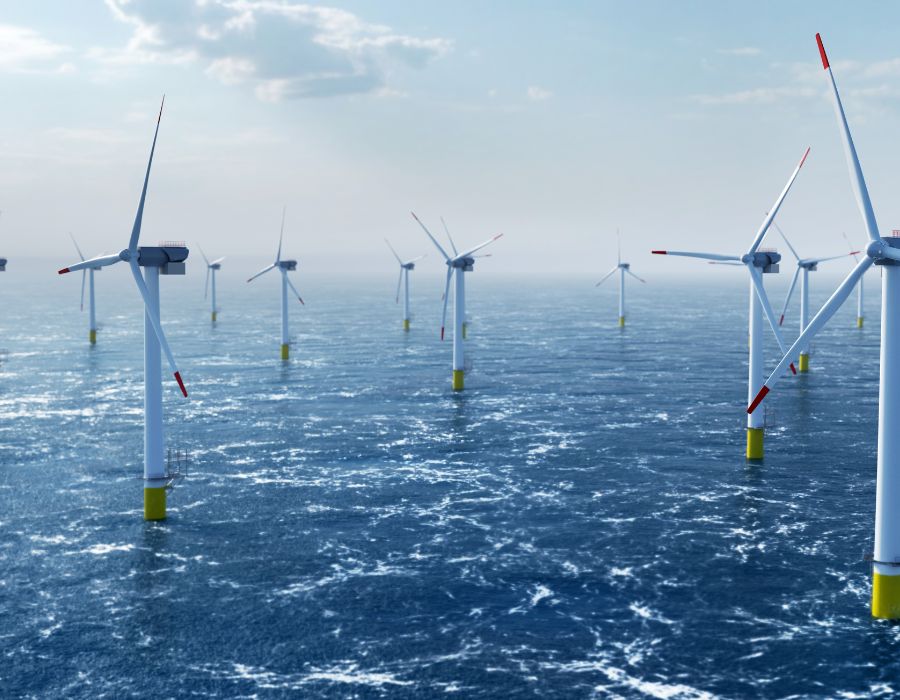
How a Wind Farm Starts A typical timeline looks like this:
- Survey vessels scan the seabed
- Fabricators build foundations
- Tugs move barges into place
- Divers install scour protection
- Cable ships lay power lines
- Workboats move crews
- Heavy lift vessels install towers and blades
- Maintenance teams check every bolt and sensor
Mini FAQ
What keeps offshore wind projects on schedule
Marine suppliers who handle vessels, lifting, subsea work, logistics and repairs.
Why offshore wind needs so many companies
Each task needs specialist skills and equipment.
Who fixes turbines when faults appear
Marine engineers, rope access teams and electricians.
How the weather affects offshore work
Wind, waves and visibility decide when lifts, dives and transfers happen.
Quick Reference
- Offshore wind depends on marine suppliers
- Marine suppliers support construction, installation and maintenance
- Workboats, heavy lift vessels and subsea teams are essential
- Safety, logistics and engineering keep turbines operational
- Growth links directly to reliable marine support services
Takeaway
Offshore wind grows because marine suppliers make it possible. If you want strong offshore wind output, you support the people and companies working at sea every day.