Marine Diesel Engines – the Powerhouse of Maritime Vessels
Monday, 25th March 2024
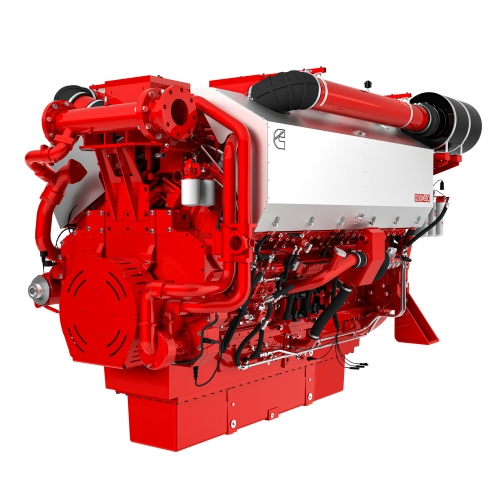
Marine diesel engines are still the powerhouse of maritime vessels, propelling ships across vast oceans with efficiency and reliability.
These engines, specifically designed for marine applications, utilize compression ignition to generate power, making them distinct from their gasoline counterparts. Their robust construction and ability to withstand the harsh marine environment make them indispensable to the maritime industry.
Future Trends Of Marine Diesel Engines
The future of diesel engines in the marine industry is undergoing significant transformation, driven by the need for sustainability, efficiency, and technological innovation. While diesel engines have long been the workhorses of maritime transportation, evolving environmental regulations and advancements in alternative propulsion systems are reshaping their role in the industry.
One of the key trends shaping the future of marine diesel engines is the integration of cleaner fuel technologies. Manufacturers are developing engines capable of running on low-sulphur fuels, biofuels, and even liquefied natural gas (LNG) to comply with stringent emissions standards and reduce environmental impact. Additionally, research into hybrid and electric propulsion systems is gaining momentum, offering the potential to further enhance efficiency and reduce carbon emissions.
Moreover, digitalization and automation are revolutionizing the operation and maintenance of marine diesel engines. Advanced monitoring systems, predictive analytics, and remote diagnostics enable real-time performance optimization, proactive maintenance, and rapid troubleshooting, ultimately improving reliability and reducing downtime.
Vital Component of the Marine Industry
Marine diesel engines are likely to remain a vital component of the marine industry for the foreseeable future, particularly in applications requiring high power output and long-range capabilities.
There really is no realistic substitute, other than adapting the internal combustion engine to receive more varied fuel types but it is still not known what the fuel of the future is likely to be.
A shipowner who chooses a fuel type that few others in the industry adopt may find it challenging to secure adequate supply of that fuel, there may also be an impact on insurance.
The evolution of diesel engines will continue to be shaped by sustainability goals, technological advancements, and regulatory requirements, ensuring their continued relevance in the ever-changing landscape of maritime transportation.