Could a Cyber Attack Shut Down Your Vessel? The Growing Threat Facing Marine Operators
Tuesday, 13th October 2026
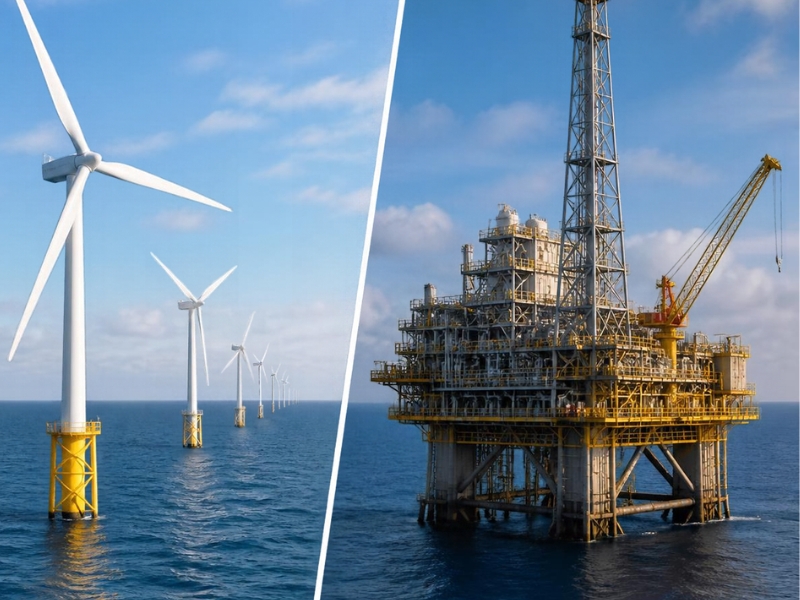
As investment accelerates across offshore wind, autonomous marine technology and floating infrastructure, a new era of offshore opportunity is emerging for vessel operators, contractors, engineers and marine suppliers worldwide.
For decades, the biggest threats facing vessels were usually physical. Bad weather, equipment failure, collisions and mechanical breakdowns topped the list. Today, a new threat has joined them, and it doesn’t arrive by sea.
It arrives through a network connection.
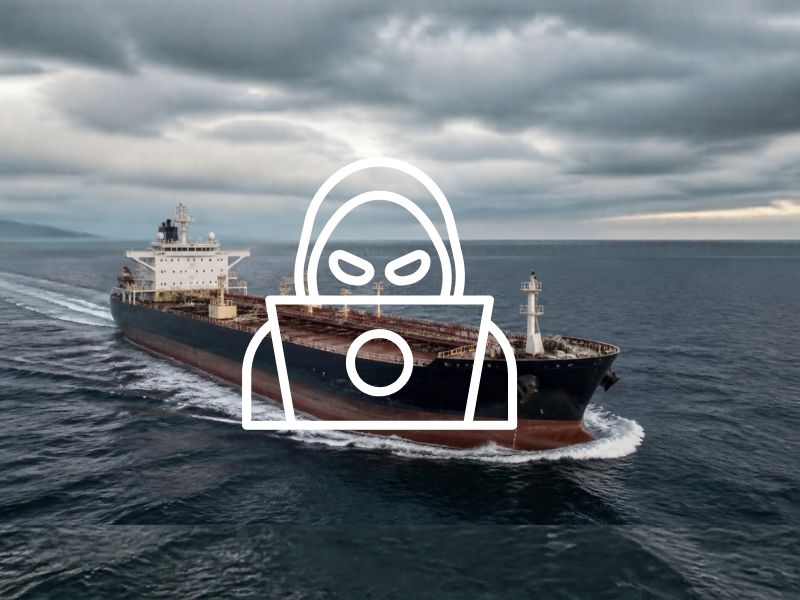
Modern ships are more connected than ever before. Navigation systems, satellite communications, engine monitoring platforms, cargo-management software and crew welfare networks all depend on digital infrastructure. While these technologies have improved efficiency and safety, they have also created opportunities for cyber criminals.
The uncomfortable reality is that a cyber attack now has the potential to disrupt vessel operations, compromise safety systems and create significant financial losses for shipowners and operators.
Why Cybersecurity Has Become a Maritime Priority
The commercial marine industry has undergone a major digital transformation over the past decade.
Today’s vessels often feature:
- Connected navigation systems
- Electronic chart display systems (ECDIS)
- Integrated bridge systems
- Remote engine monitoring
- Automated cargo management
- Shore-to-ship communication networks
- Cloud-based maintenance platforms
As vessels become increasingly connected, the attack surface available to cyber criminals grows larger.
According to the International Maritime Organization (IMO), cyber risks present a growing challenge for global shipping and should be managed in the same way as traditional operational risks.
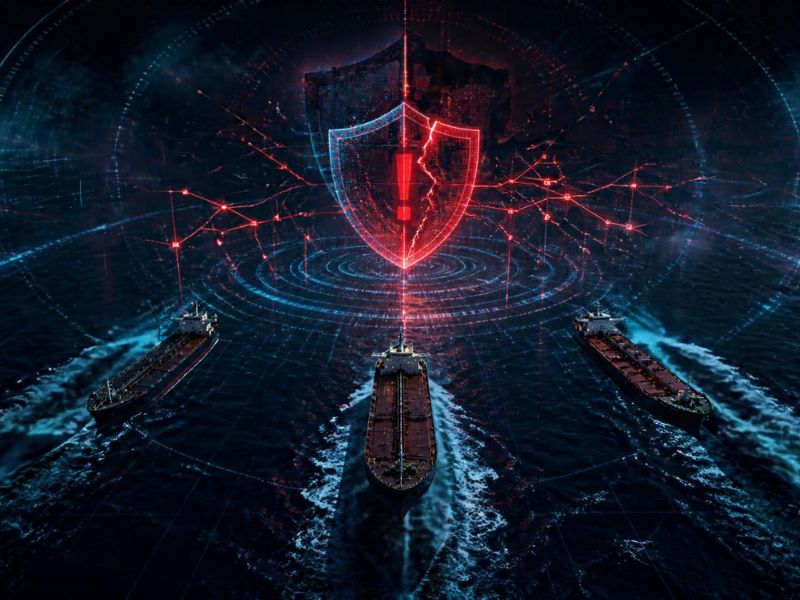
What Could Happen During a Maritime Cyber Attack?
Many people assume a cyber attack is simply an IT problem. In reality, the consequences can extend far beyond computers.
A successful attack could potentially affect:
Navigation Systems
Interference with navigation equipment may create confusion regarding a vessel’s position, route or surroundings.
Cargo Operations
Ports and terminals increasingly depend on digital systems. A cyber incident could delay loading, unloading and cargo tracking.
Propulsion and Machinery Monitoring
Many vessels now use remote monitoring systems connected to machinery controls and maintenance software.
Communication Networks
Cyber attacks can interrupt communications between ship and shore, making coordination more difficult during critical operations.
Administrative Systems
Payroll, procurement, documentation and compliance systems may all be affected by ransomware or data breaches.
The Cost of Maritime Cybercrime
Cybercrime is no longer a theoretical concern.
According to maritime insurer Allianz, cyber incidents rank among the most significant emerging risks facing the shipping industry.
The costs associated with a cyber incident can include:
- Operational disruption
- Delayed voyages
- Lost charter revenue
- Recovery and remediation expenses
- Regulatory penalties
- Reputational damage
- Increased insurance costs
For offshore support vessels and construction fleets operating on tight schedules, even a short disruption can result in substantial financial consequences.
Real-World Maritime Cyber Threats
The maritime sector has already experienced several high-profile cyber incidents.
One of the best-known examples involved global shipping giant Maersk, which suffered severe disruption during the NotPetya cyber attack. The incident affected operations worldwide and reportedly cost hundreds of millions of dollars.
While not every attack reaches that scale, the event demonstrated how vulnerable large maritime organisations can be.
Cyber criminals are increasingly targeting organisations that rely heavily on operational continuity.
Why Offshore Operators Face Unique Risks
Offshore marine operators encounter cybersecurity challenges that differ from many land-based industries.
Assets are often:
- Remote
- Distributed across multiple sites
- Dependent on satellite communications
- Supported by third-party contractors
- Connected to operational technology networks
An offshore construction vessel may rely on dozens of interconnected systems working simultaneously.
If one critical system becomes unavailable, operational delays can ripple through an entire project.
This is particularly important for offshore wind developments, subsea construction campaigns and heavy-lift operations, where vessel schedules are closely linked to weather windows and project milestones.
The Growing Risk of Ransomware
Ransomware remains one of the biggest cybersecurity threats facing businesses worldwide.
These attacks typically encrypt systems and demand payment for restoration.
For a marine operator, ransomware can affect:
- Maintenance databases
- Crew records
- Operational systems
- Procurement platforms
- Scheduling systems
- Financial records
According to IBM’s Cost of a Data Breach Report, ransomware continues to be one of the most costly forms of cybercrime globally.
How Marine Operators Are Responding
The industry is increasingly recognising cybersecurity as an operational issue rather than simply an IT concern.
Many organisations are investing in:
Network Segmentation
Separating operational technology networks from administrative systems reduces exposure.
Crew Awareness Training
Human error remains one of the most common causes of cyber incidents. Regular training helps reduce risk.
Multi-Factor Authentication
Additional authentication layers make unauthorised access more difficult.
Continuous Monitoring
Modern security platforms monitor network traffic and identify suspicious activity in real time.
Incident Response Planning
Well-developed response plans help organisations recover more quickly following an attack.
Cybersecurity and IMO Compliance
Recognising the growing threat, the IMO incorporated cyber risk management into the International Safety Management (ISM) Code.
The organisation expects companies to appropriately address cyber risks as part of their safety-management procedures.
This means cybersecurity is increasingly becoming a compliance issue as well as a security issue.
Artificial Intelligence Is Changing Cyber Defence
Interestingly, Artificial Intelligence is helping defenders fight back.
Modern cyber-defence platforms use machine learning to:
- Detect unusual behaviour
- Identify network anomalies
- Monitor equipment communications
- Flag suspicious login attempts
- Predict potential security threats
These systems help security teams respond more quickly and reduce the likelihood of successful attacks.
As vessels become smarter and more connected, AI will play a larger role in protecting critical marine infrastructure.
Looking Ahead
Digital transformation across the maritime sector shows no signs of slowing down.
Autonomous vessels, remote asset monitoring, smart ports and connected offshore infrastructure will all increase reliance on cyber-secure systems.
At the same time, cyber criminals are becoming more sophisticated.
This creates a simple reality: cybersecurity is now as important as physical security.
Takeaway
Could a cyber attack shut down your vessel?
In the right circumstances, yes.
While most vessels still face greater day-to-day risks from weather, machinery issues and operational challenges, the potential impact of cyber attacks continues to grow. Navigation systems, communications networks, maintenance platforms and operational technologies are increasingly connected, creating opportunities for disruption if security measures are not maintained.
For marine operators, cybersecurity is no longer just an IT responsibility. It is a critical part of vessel safety, operational resilience and business continuity. Companies that take cyber risk seriously today will be far better prepared for the challenges of tomorrow’s connected maritime industry.