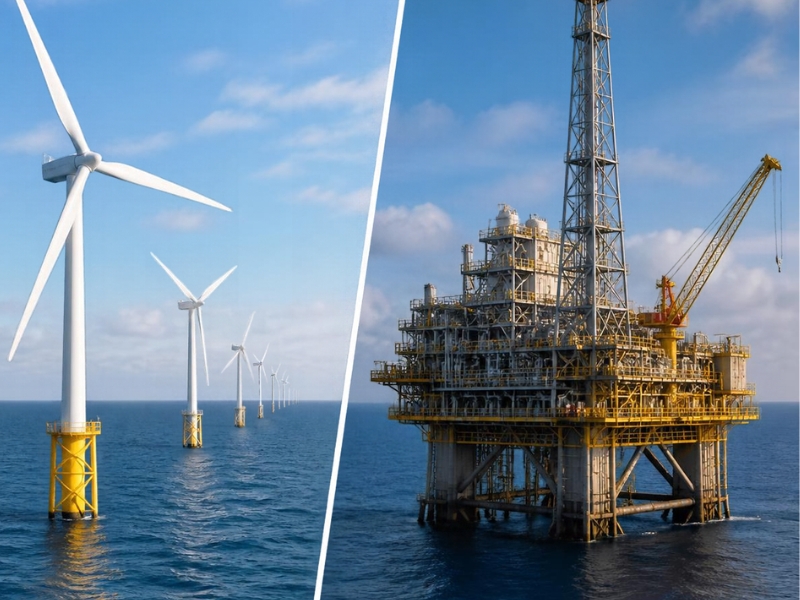
The Next Multi Billion Pound Offshore Industry Isn’t Oil and Gas
Monday, 12th October 2026
For decades, offshore oil and gas dominated marine investment, vessel demand and engineering innovation. Entire supply chains were built around exploration platforms, subsea pipelines and energy production assets. Yet a major shift is now underway. The next multi‑billion pound offshore industry is not being driven by new oil discoveries. It is being driven by renewable energy, floating infrastructure, subsea technology and digital marine operations.
While oil and gas will remain an important part of the global energy mix for many years, the fastest growth across the offshore sector is increasingly coming from offshore wind, floating wind, subsea robotics, marine energy and associated support services. For vessel operators, marine contractors, fabricators and engineering businesses, this transition represents one of the biggest commercial opportunities seen in decades.
In the Offshore Industry Wind Is Driving Unprecedented Investment
The clearest indicator of where offshore investment is heading is the offshore wind sector.
According to the International Energy Agency (IEA), offshore wind has the potential to become one of the world’s largest sources of electricity generation and represents a market worth trillions of pounds globally over the coming decades. https://www.iea.org/reports/offshore-wind-outlook-2019
The Global Wind Energy Council (GWEC) forecasts continued strong growth in offshore wind deployment, with governments across Europe, Asia and North America committing to large-scale offshore projects.
This growth is creating demand for:
- Offshore construction vessels
- Cable-laying contractors
- Fabricators
- Mooring specialists
- Marine survey companies
- Port operators
- Subsea engineering firms
For many businesses operating within the offshore marine sector, offshore wind is already replacing declining oil and gas projects as a primary revenue source.
Floating Wind Could Change Everything
Traditional offshore wind has largely been restricted to relatively shallow water.
Floating offshore wind removes that limitation.
Instead of fixed foundations, floating wind farms utilise moored platforms that can operate in much deeper water. This dramatically increases the amount of available sea space suitable for energy production.
According to DNV, floating wind capacity is expected to scale significantly over the coming decades as technology matures and costs continue to fall.
This creates opportunities for a huge range of marine suppliers including anchor manufacturers, chain suppliers, mooring specialists, heavy fabrication yards, marine civil engineers and offshore support vessel operators.
Unlike fixed wind projects, floating wind requires many technologies that originated in offshore oil and gas. As a result, existing offshore contractors are uniquely positioned to benefit from the transition.
The Rise of the Offshore Supply Chain Economy
One of the most interesting aspects of offshore renewables is that value creation extends far beyond the turbines themselves.
Every wind farm requires an extensive supply chain that includes:
- Site surveys and environmental studies
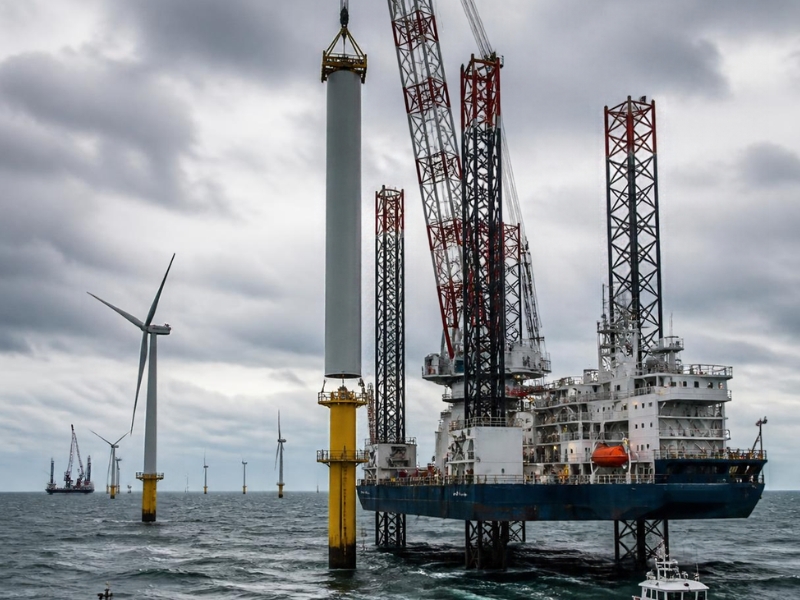
- Foundation fabrication and installation
- Cable manufacturing and deployment
- Ongoing inspection and maintenance
- Vessel operations and logistics
Each stage generates opportunities for specialist marine businesses.
A modern offshore wind project can involve hundreds of suppliers across multiple countries. As projects increase in size, demand for experienced marine contractors continues to rise.
This is one reason why many traditional offshore service providers are diversifying into renewable-energy support roles.
Autonomous Systems Are Becoming a Major Offshore Market
Another rapidly growing offshore sector involves autonomous and remotely operated technologies.
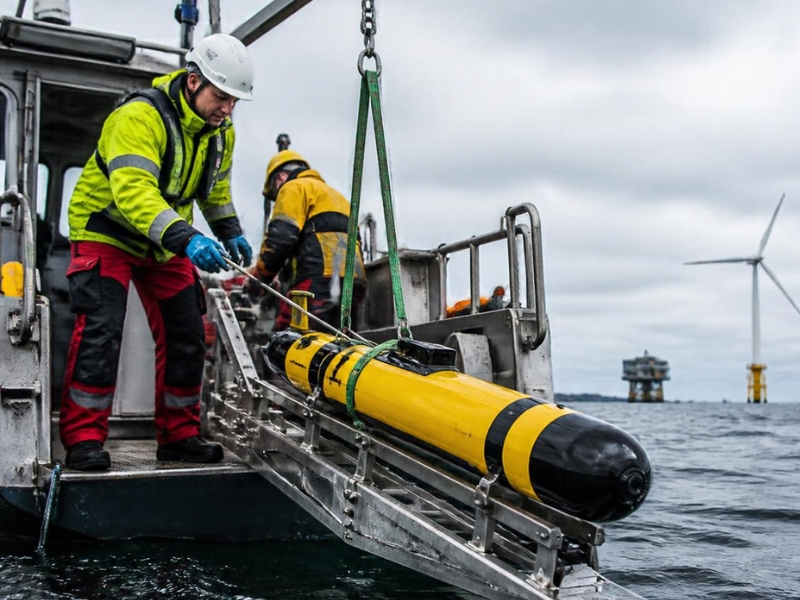
Autonomous Underwater Vehicles (AUVs), Remotely Operated Vehicles (ROVs) and Uncrewed Surface Vessels (USVs) are transforming how offshore projects are delivered.
Traditional subsea inspections often require large support vessels, specialist crews and expensive mobilisation campaigns. Modern autonomous systems can complete many of the same tasks faster and at lower cost.
Industry analysts expect significant growth across the maritime robotics sector over the coming years as offshore wind farms, subsea infrastructure and environmental-monitoring programmes expand globally.
Applications include:
- Cable inspections
- Seabed surveys
- Asset monitoring
- Pipeline inspections
- Environmental assessments
For marine technology companies, this represents a growing market with substantial long-term potential.
Digital Offshore Operations Are Creating New Opportunities
Digital transformation is reshaping offshore operations just as dramatically as renewable energy.
Artificial Intelligence, digital twins, predictive maintenance and remote asset management are becoming standard tools across modern offshore projects.
According to DNV and Lloyd’s Register, digitalisation is now one of the primary drivers of efficiency improvements across the maritime sector.
Operators increasingly rely on real-time data to:
- Optimise vessel performance
- Reduce fuel consumption
- Predict equipment failure
- Improve safety
- Extend asset life
As offshore infrastructure becomes more connected, demand continues to grow for software developers, sensor manufacturers, communications providers and marine data specialists.
Ports Are Becoming Renewable Energy Hubs
The offshore transition is not only occurring at sea.
Ports are increasingly repositioning themselves as renewable-energy logistics centres.
Facilities that once served oil and gas support fleets are now handling turbine components, installation vessels and maintenance operations.
Major investments are taking place around Europe to expand quayside infrastructure, strengthen load-bearing capacities and create assembly areas for offshore wind projects.
This creates opportunities for:
- Marine civil engineering companies
- Port operators
- Fabrication specialists
- Transport providers
- Heavy-lift contractors
Many ports are already seeing renewable-energy projects account for a growing proportion of future development plans.
Marine Skills Are Being Reused in New Markets
One reason the offshore transition is progressing faster than many expected is because existing marine skills remain highly relevant.
The offshore wind sector still requires:
- Divers
- Surveyors
- Fabricators
- Naval architects
- Welders
- Vessel crews
- Offshore engineers
These skills developed largely within the oil and gas industry.
Today they are being applied to renewable-energy projects, floating infrastructure and emerging marine technologies.
This means experienced offshore professionals remain in strong demand as new industries develop.
The Next Decade Could Reshape Offshore Marine Business
The offshore sector is entering a period of significant change.
Oil and gas will continue to play an important role, but capital investment, government policy and technological innovation are increasingly focused on renewable energy and digital infrastructure.
Businesses that adapt early stand to benefit from:
- Growing offshore wind investment
- Floating wind development
- Autonomous marine technology
- Subsea robotics
- Digital asset management
- Renewable-energy supply chains
The companies winning contracts ten years from now may not look vastly different from today’s offshore contractors. The difference will be the markets they serve and the technologies they support.
Takeaway
The next multi‑billion pound offshore industry is not centred on oil and gas production. It is being driven by offshore wind, floating energy systems, autonomous technology and digital marine operations. These sectors are generating huge demand for vessels, engineering expertise, subsea services, fabrication and marine infrastructure.
For offshore businesses willing to evolve, the opportunity is substantial. The foundations of this new industry are already being built, and many marine companies are well positioned to play a central role in its growth.