Could Your Next Vessel Deliver More Than Just Speed? The New Priorities in Boat Building
Sunday, 8th November 2026
Not long ago, speed, payload capacity and engine performance were the primary considerations when commissioning a new vessel. Today, the conversation has changed. Offshore operators, marine contractors and vessel owners are looking far beyond traditional performance metrics. Modern vessels are now expected to deliver improved fuel efficiency, enhanced safety, digital connectivity, environmental compliance and the flexibility to support increasingly specialised operations.
The offshore marine sector is evolving rapidly, driven by offshore wind expansion, digital transformation, sustainability targets and changing operational requirements. As a result, boat builders are being challenged to deliver smarter, more adaptable vessels that can meet the demands of tomorrow’s marine industry.
The Changing Role of Offshore Vessels

Today’s offshore vessels are expected to do far more than simply transport people or equipment from one location to another.
Whether operating in offshore wind, marine construction, subsea inspection or coastal infrastructure projects, vessels are increasingly becoming integrated platforms that support multiple functions simultaneously.
Modern operators want vessels capable of:
- Supporting digital systems and real-time monitoring
- Reducing fuel consumption
- Improving crew comfort
- Operating safely in challenging conditions
- Accommodating future technology upgrades
This shift is influencing every stage of the vessel design and construction process.
Fuel Efficiency Has Become a Major Priority
With fuel representing one of the largest operational costs for most marine operators, efficiency has become a key design consideration.
Modern boat builders are focusing on hull forms, propulsion systems and weight reduction strategies that improve vessel performance while reducing operating expenses.
Advances in vessel design now include:
Optimised Hull Geometry
Computational modelling allows designers to create hulls that minimise resistance and improve fuel economy.
Hybrid Propulsion Systems
Many new vessels combine diesel engines with battery technology to reduce fuel consumption during lower-power operations.
Lightweight Construction Materials
The use of aluminium, advanced composites and innovative fabrication techniques can help reduce overall displacement and improve efficiency.
For vessel owners, these technologies can lead to substantial long-term savings.
Sustainability Is Influencing Vessel Design
Environmental regulations continue to tighten across the global maritime sector.
The International Maritime Organization (IMO) has introduced increasingly ambitious targets for reducing greenhouse gas emissions from shipping, creating pressure for cleaner and more efficient operations.
As a result, many boat builders are designing vessels that are:
- Hybrid-ready
- Alternative-fuel compatible
- Electrically powered for specific applications
- Designed for lower emissions
- Future-proofed for evolving regulations
The goal is not simply to meet today’s requirements but to create vessels capable of adapting to future environmental standards.
Crew Welfare Is No Longer an Afterthought
In the offshore sector, attracting and retaining skilled personnel is becoming increasingly important.
Modern vessel designs now place greater emphasis on crew comfort, safety and wellbeing.
Features that were once considered luxuries are becoming standard requirements, including:
- Improved accommodation
- Reduced vibration levels
- Lower noise emissions
- Enhanced climate control
- Better recreational facilities
- Ergonomic workspaces
For operators running long offshore campaigns, comfortable working environments can have a direct impact on productivity and safety.
Intelligent Vessels Are Becoming the New Standard
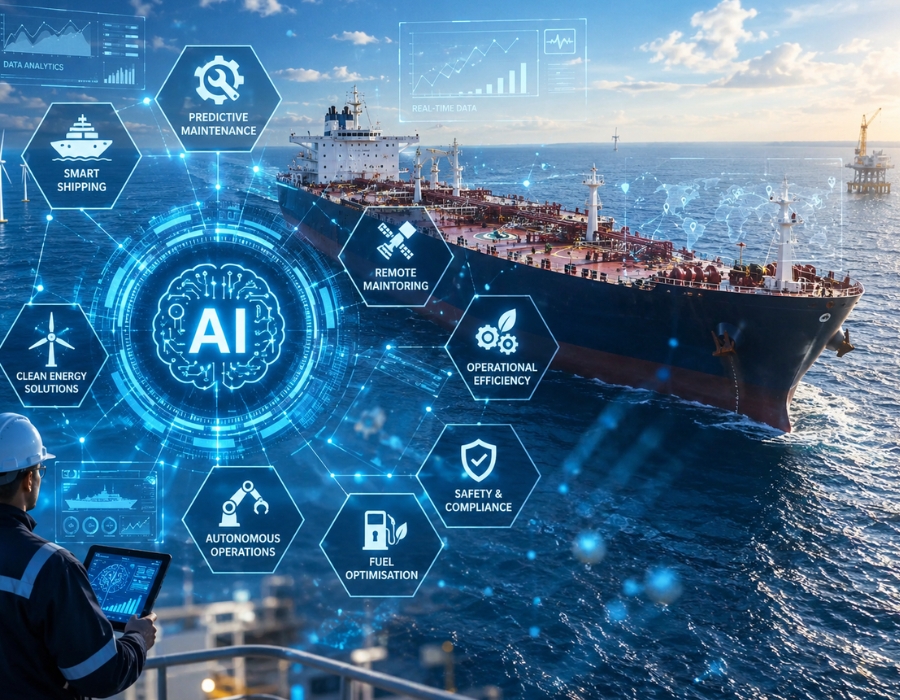
Digitalisation is changing the way vessels operate.
Many new builds now incorporate intelligent systems that monitor equipment performance, fuel consumption and operational efficiency in real time.
These systems provide operators with valuable data that can be used to improve decision-making and reduce costs.
Key technologies include:
Predictive Maintenance
Sensors continuously monitor equipment health and identify potential failures before they occur.
Remote Diagnostics
Shore-based engineering teams can review performance data and support maintenance planning remotely.
Fleet Connectivity
Modern communication systems enable real-time reporting and operational oversight.
Integrated Bridge Systems
Navigation, communications and vessel-management functions can be combined into a single user-friendly platform.
The result is a vessel that is safer, more efficient and easier to manage.
Offshore Wind Is Reshaping Vessel Requirements
The growth of offshore renewable energy is having a major influence on vessel design.
Offshore wind projects require a wide range of specialist vessels, including:
- Crew transfer vessels
- Service operation vessels
- Survey vessels
- Cable-laying vessels
- Workboats
- Support craft
These vessels require characteristics that differ significantly from traditional offshore support vessels.
Operators increasingly demand:
- Superior station-keeping capability
- Enhanced fuel efficiency
- Greater operational flexibility
- Improved technician safety
- Higher levels of digital integration
Boat builders are responding by designing vessels specifically for the needs of the offshore renewable energy sector.
Flexibility Has Become a Competitive Advantage
Many operators no longer want vessels designed for a single purpose.
Market conditions can change quickly, and asset utilisation plays a significant role in financial performance.
As a result, modern vessels are increasingly designed with flexibility in mind.
Modular deck layouts, reconfigurable workspaces and adaptable mission equipment allow operators to deploy vessels across multiple sectors.
A vessel that can support offshore wind today and subsea inspection tomorrow offers significantly greater commercial value than a highly specialised platform with limited versatility.
Safety Remains at the Centre of Every Design
While technology and sustainability receive much of the attention, safety remains the foundation of modern vessel design.
Boat builders continue to invest heavily in:
- Advanced stability systems
- Improved firefighting equipment
- Enhanced navigation systems
- Better man-overboard recovery arrangements
- Collision avoidance technologies
- Improved operational visibility
The objective is simple: protect crews, reduce risk and support safe operations in increasingly complex offshore environments.
The Rise of Future-Proof Vessel Design
One of the most significant changes in new vessel construction is the desire to future-proof assets.
Operators understand that technologies, regulations and market requirements will evolve throughout a vessel’s operational life.
Modern builders are designing vessels that allow future upgrades without extensive structural modifications.
These may include provisions for:
- Hybrid propulsion conversion
- Alternative fuel systems
- Battery integration
- Additional digital infrastructure
- Enhanced communications technology
Building adaptability into a vessel from the beginning can significantly extend its commercial lifespan.
Choosing a Boat Builder in a Changing Market
Selecting a boat builder today involves much more than reviewing performance specifications.
Operators increasingly evaluate factors such as:
- Design flexibility
- Technology integration
- Sustainability credentials
- Long-term operational costs
- After-sales support
- Future upgrade potential
The most successful vessels are those that deliver value throughout their lifecycle rather than simply meeting a performance target on launch day.
Takeaway
The offshore marine industry is changing, and with it, the priorities shaping vessel construction. Speed and power remain important, but they are no longer enough on their own. Operators now require vessels that are fuel efficient, digitally connected, environmentally responsible and adaptable to future demands.
Boat builders are responding by creating smarter, safer and more versatile vessels designed for a rapidly evolving offshore landscape. For vessel owners investing in their next new build, the question is no longer how fast a vessel can travel. The more important question may be how much value that vessel can continue to deliver over the next twenty years.