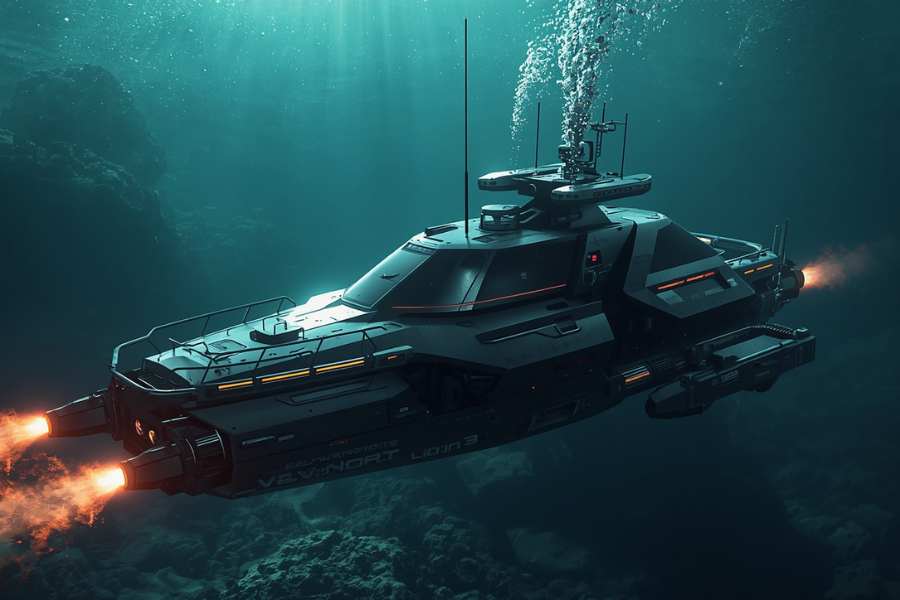
Beyond the Horizon: The Technologies Driving Offshore Marine Into the Future
Tuesday, 5th May 2026
The offshore marine industry has always been shaped by innovation. From the earliest steel‑hulled vessels to dynamic positioning systems and subsea robotics, each leap forward has expanded what’s possible at sea.
Today, the pace of change is accelerating faster than ever. Digitalisation, automation, sustainability and advanced engineering are redefining how offshore vessels operate, how projects are delivered and how the industry prepares for the decades ahead.
The technologies emerging now aren’t just incremental improvements—they’re transformative forces pushing the marine sector beyond the horizon.
Here’s a look at the innovations driving offshore marine into the future.
Autonomous and Remote‑Operated Vessels
Autonomy is no longer a futuristic concept—it’s becoming a practical reality. Offshore operators are increasingly adopting:
- Uncrewed Surface Vessels (USVs) for survey, inspection and monitoring
- Remote‑operated workboats controlled from onshore command centres
- Semi‑autonomous navigation systems that reduce crew workload
- Collision‑avoidance AI that enhances safety in congested waters
These vessels reduce operational costs, improve safety and allow continuous operations in conditions that would challenge traditional crews.
Next‑Generation Dynamic Positioning (DP)
Dynamic positioning has long been essential for offshore construction, drilling and wind installation. The next wave of DP technology includes:
- AI‑assisted station‑keeping
- Fuel‑optimised thruster control
- Redundant, cyber‑secure DP networks
- Integration with real‑time weather and metocean data
These advancements allow vessels to maintain position more efficiently, reducing fuel burn and emissions while improving operational precision.
Hybrid and Low‑Emission Propulsion
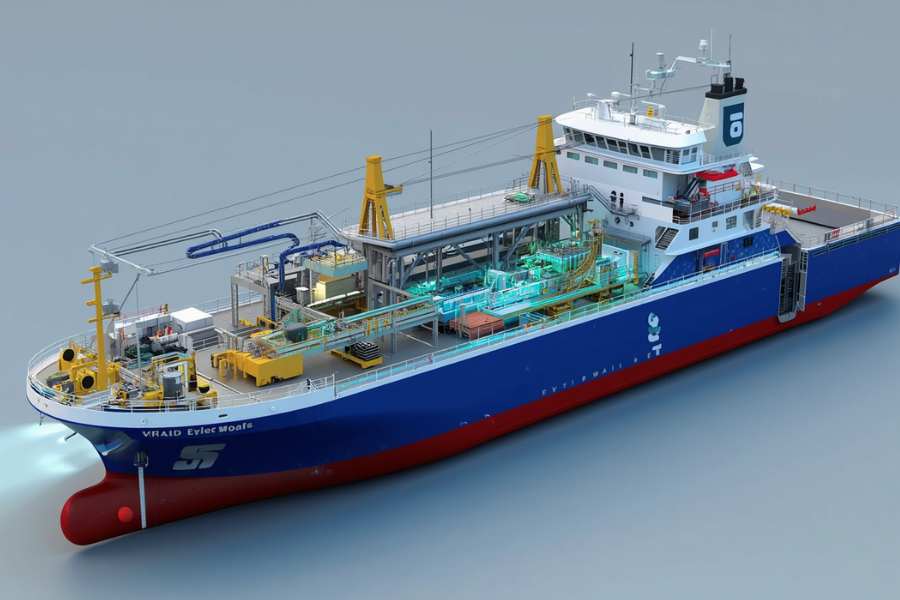
Sustainability is reshaping the offshore sector. Vessel operators are investing in propulsion systems that reduce environmental impact without compromising performance.
Key developments include:
- Hybrid diesel‑electric systems
- Battery‑powered offshore support vessels
- Hydrogen and methanol‑ready engines
- Advanced energy‑management systems
- Shore‑power compatibility for port operations
These technologies support global decarbonisation goals and help operators meet tightening emissions regulations.
Advanced Robotics and Subsea Automation
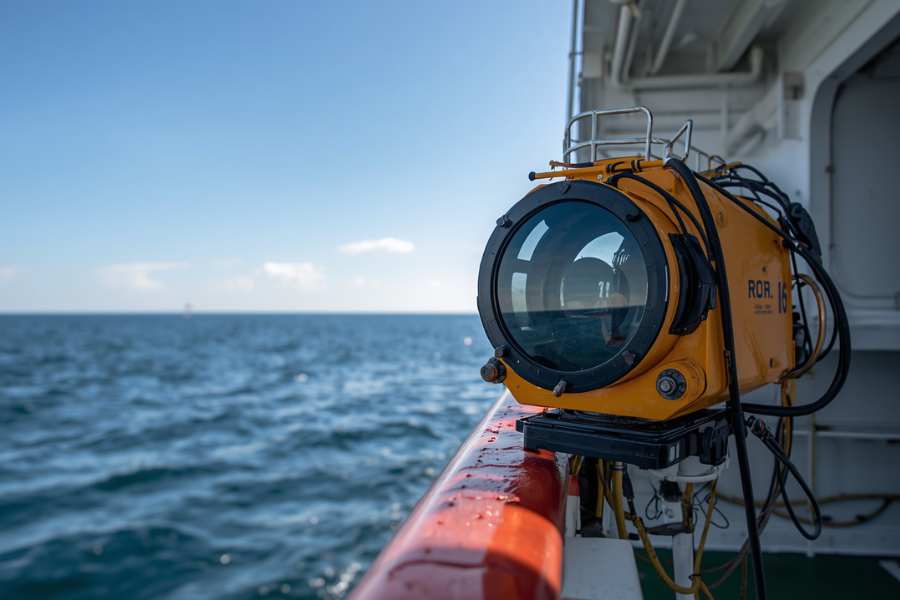
The subsea environment is one of the most challenging workplaces on Earth. Robotics are transforming how offshore companies inspect, repair and maintain underwater assets.
Emerging technologies include:
- Resident ROVs that live subsea and operate autonomously
- AUVs (Autonomous Underwater Vehicles) for long‑range surveys
- Robotic manipulators capable of complex repair tasks
- AI‑driven inspection tools that detect faults earlier
These systems reduce the need for diver intervention, improve safety and deliver more accurate data.
Digital Twins and Predictive Maintenance
Digitalisation is revolutionising vessel management. Digital twins—virtual replicas of vessels, engines or entire offshore structures—allow operators to simulate performance, predict failures and optimise maintenance.
Benefits include:
- Real‑time monitoring of critical systems
- Predictive maintenance based on data, not guesswork
- Reduced downtime and repair costs
- Improved asset lifespan
- Enhanced safety through early fault detection
For fleet operators, digital twins are becoming indispensable tools for long‑term planning.
Smart Deck Machinery and Intelligent Lifting Systems
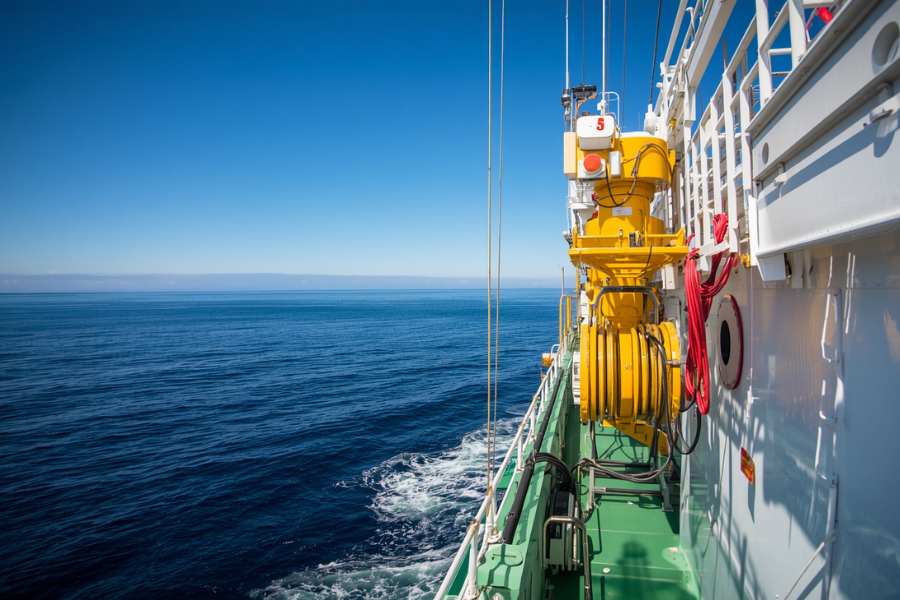
Deck equipment is becoming smarter, safer and more efficient. Innovations include:
- Load‑sensing winches and cranes
- Automated tension control
- Remote monitoring of hydraulic systems
- Predictive diagnostics for lifting gear
These technologies reduce the risk of lifting incidents and improve operational control during offshore construction and maintenance.
High‑Bandwidth Offshore Connectivity
Reliable connectivity is the backbone of modern offshore operations. New communication technologies are enabling:
- Real‑time data transfer from vessels and subsea assets
- Remote diagnostics and troubleshooting
- High‑definition video for ROV operations
- Crew welfare improvements through better internet access
Satellite networks, 5G offshore trials and low‑orbit constellations are all contributing to a more connected marine environment.
Modular and Rapid‑Deployment Offshore Infrastructure
As offshore wind and marine energy projects expand, the industry is embracing modularity. Innovations include:
- Modular barges and floating platforms
- Rapid‑assembly offshore structures
- Prefabricated subsea modules
- Containerised power and control systems
These solutions reduce installation time, improve flexibility and support operations in remote or challenging locations.
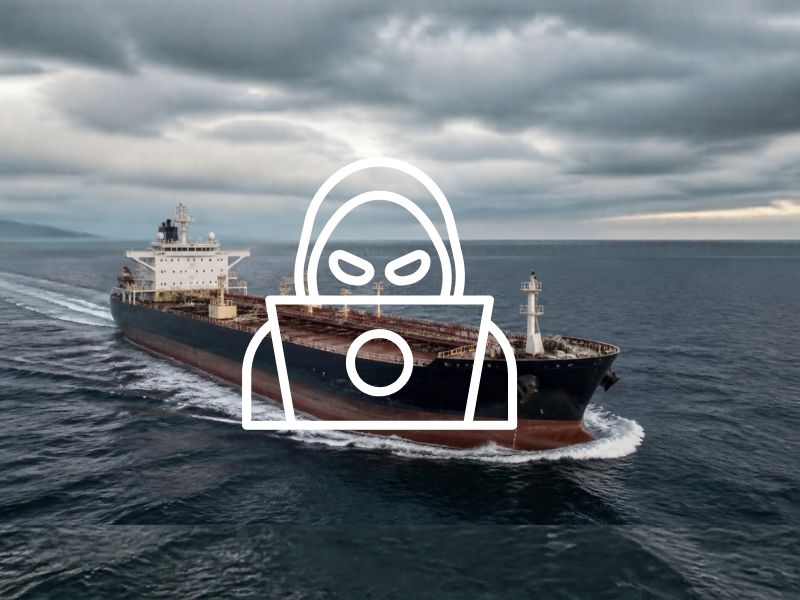
Cybersecurity for the Digital Ocean
With increased digitalisation comes increased risk. Offshore vessels and infrastructure are now prime targets for cyber threats. The industry is responding with:
- Hardened DP and navigation systems
- Encrypted communication networks
- Real‑time threat monitoring
- Cyber‑secure vessel management platforms
Cyber resilience is becoming as important as physical safety.
The Future: A Smarter, Cleaner, More Autonomous Offshore Industry
The technologies shaping the future of offshore marine operations share a common theme: they make the industry safer, more efficient and more sustainable. From autonomous vessels and hybrid propulsion to digital twins and subsea robotics, the innovations emerging today will define the next generation of offshore work.
The horizon is expanding—and the companies that embrace these technologies will be the ones leading the industry forward.