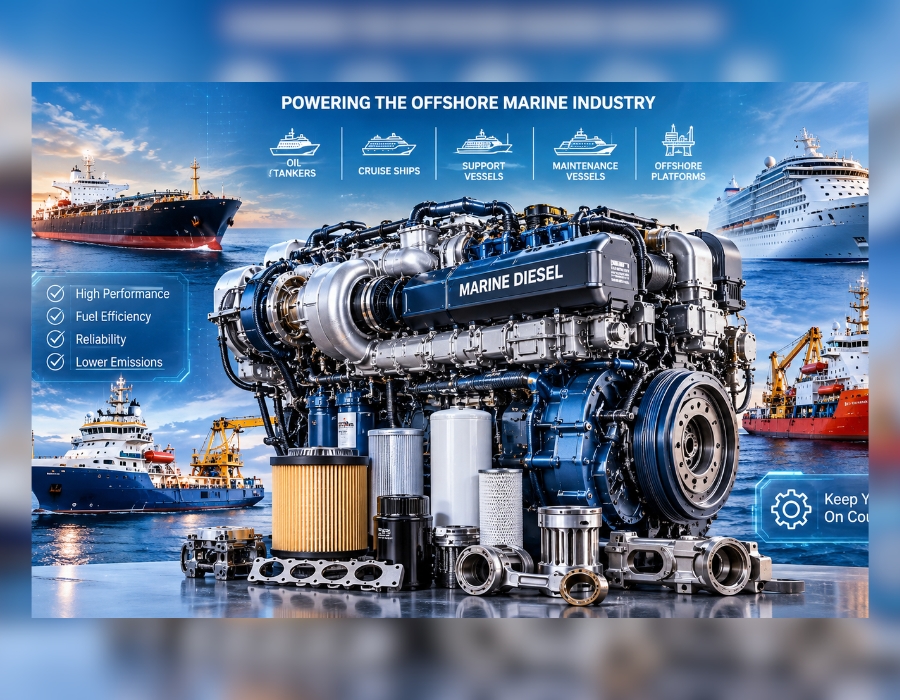
Why Diesel Engines Remain the Backbone of Offshore and Commercial Marine Fleets
Thursday, 12th November 2026
For all the talk about alternative fuels, battery technology and vessel electrification, diesel engines continue to power the vast majority of offshore and commercial marine fleets around the world. From offshore support vessels and tugboats to bulk carriers, tankers and workboats, marine diesel engines remain the preferred choice for operators who demand reliability, efficiency and proven performance.
The marine industry is undoubtedly changing. Environmental regulations are tightening, emissions targets are becoming more ambitious and new propulsion technologies are entering the market. Yet despite these developments, diesel engines continue to sit at the heart of global maritime operations.
The reason is simple. No other propulsion technology currently offers the same combination of power, range, reliability and operational flexibility on the scale required by the offshore and commercial shipping sectors.
Diesel Engines Power Global Marine Operations
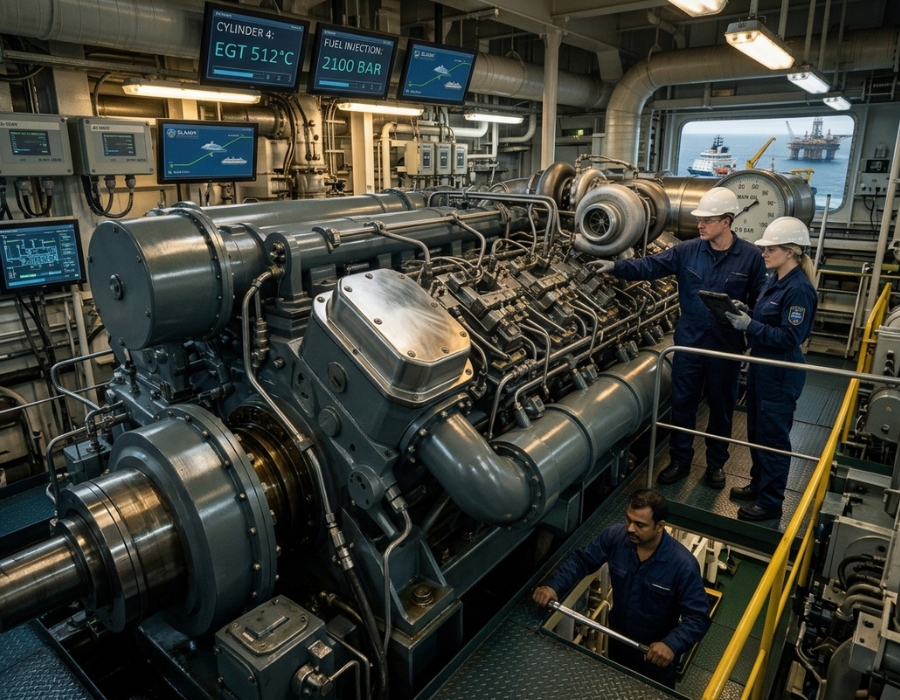
Every day, thousands of vessels depend on marine diesel engines to transport cargo, support offshore projects and maintain critical maritime infrastructure.
Diesel engines are found aboard:
- Offshore support vessels
- Platform supply vessels
- Anchor handling tugs
- Crew transfer vessels
- Fishing vessels
- Container ships
- Bulk carriers
- Tankers
- Dredgers
- Construction barges
These vessels often operate far from shore, in hostile environments and under heavy workloads. Operators need propulsion systems they can trust, and diesel engines have delivered that reliability for decades.
Proven Reliability in Demanding Conditions
One of the biggest reasons marine diesel engines remain dominant is their ability to perform consistently under difficult conditions.
Offshore vessels often operate:
- Around the clock
- In rough sea states
- In remote locations
- Under heavy loads
- Across long operating cycles
A vessel supporting offshore wind construction in the North Sea faces very different challenges to a bulk carrier crossing the Atlantic. Despite those differences, both require propulsion systems capable of delivering dependable performance day after day.
Modern marine diesel engines have earned their reputation through millions of operating hours in some of the harshest environments on Earth.
Exceptional Range and Endurance
Battery-electric technology has gained attention in the maritime sector, particularly for short-sea operations and harbour vessels.
However, for most offshore and commercial applications, energy density remains a major challenge.
Diesel fuel contains significantly more usable energy per unit than current battery technologies. This allows vessels to remain operational for extended periods without frequent refuelling or recharging.
For offshore fleets, this endurance is critical.
Vessels working hundreds of miles from their nearest port need propulsion systems that support long missions without compromising operational capability.
This remains one of diesel’s strongest advantages.
Continuous Improvements in Fuel Efficiency
The marine diesel engine of today looks very different from the diesel engines of previous generations.
Manufacturers such as MAN Energy Solutions, Wärtsilä, Caterpillar Marine and Yanmar continue to develop technologies that improve efficiency while reducing emissions.
Recent innovations include:
- Common rail fuel injection
- Electronic engine management systems
- Advanced turbocharging
- Variable valve timing
- Exhaust gas recirculation systems
- Selective catalytic reduction technology
These developments allow operators to reduce fuel consumption while maintaining power output and operational flexibility.
As fuel costs remain one of the largest expenses for vessel operators, these efficiency improvements have significant commercial value.
Diesel Supports Dynamic Positioning Operations
Modern offshore operations depend heavily on Dynamic Positioning (DP) systems.
Whether conducting subsea inspections, cable-laying campaigns or offshore wind installations, vessels often need to maintain precise positions for extended periods.
Diesel-powered generator systems provide the reliable electrical power required to support:
- DP systems
- Thrusters
- Cranes
- Hydraulic equipment
- Onboard accommodation
- Mission-critical systems
Because offshore projects frequently involve complex operations where positioning accuracy is essential, reliable diesel generation remains central to vessel performance.
A Global Service and Support Network
Another major advantage of diesel propulsion is the mature support infrastructure that exists around it.
Marine diesel engines benefit from:
- Global spare-parts availability
- Established maintenance procedures
- Specialist engineering support
- Trained technicians worldwide
- Extensive service networks
This global support ecosystem reduces risk for vessel operators.
When a vessel requires assistance, replacement parts or technical expertise, help is usually available through an established network of suppliers and service providers.
Emerging propulsion technologies are still developing these support systems.
Diesel and the Offshore Wind Sector
Ironically, one of the sectors driving the transition towards renewable energy remains heavily dependent on diesel-powered vessels.
Offshore wind projects rely on:
- Installation vessels
- Crew transfer vessels
- Service operation vessels
- Cable-laying vessels
- Anchor-handling tugs
- Heavy-lift ships
These vessels require substantial power to transport components, operate cranes and support offshore construction activities.
While hybrid technologies are becoming increasingly common, diesel engines continue to provide the primary propulsion and power-generation source for much of the offshore wind fleet.
The Rise of Hybrid Solutions
The future of marine propulsion is unlikely to involve a complete replacement of diesel technology.
Instead, many operators are adopting hybrid solutions.
These systems combine diesel engines with:
- Battery technology
- Energy management software
- Shore power integration
- Alternative fuel systems
Hybrid vessels allow operators to reduce emissions during low-load operations while retaining the range and reliability benefits of diesel propulsion.
This approach offers a practical pathway towards lower-carbon operations without sacrificing operational capability.
Alternative Fuels Still Face Challenges
Methanol, hydrogen, ammonia and other alternative fuels continue to generate significant interest across the maritime sector.
However, widespread adoption faces several challenges.
These include:
- Fuel availability and infrastructure
- Storage and handling requirements
- Capital investment costs
- Regulatory development
- Operational experience
As these technologies mature, they are expected to play an increasingly important role. In the meantime, diesel engines remain the most practical and widely available solution for many vessel operators.
Ongoing Investment by Engine Manufacturers
Engine manufacturers continue to invest heavily in diesel technology.
Research and development efforts focus on:
- Lower emissions
- Improved fuel efficiency
- Digital monitoring systems
- Predictive maintenance
- Hybrid integration
- Alternative fuel compatibility
Many modern diesel engines are already being designed to support transitional fuels and evolving regulatory requirements.
This ensures diesel propulsion remains relevant in an industry undergoing significant change.
Why Diesel Is Still the Industry Standard
Despite the growth of new technologies, marine operators continue to choose diesel engines because they offer a combination of benefits that few alternatives can currently match.
They provide:
- High power output
- Long operating range
- Proven reliability
- Global support networks
- Strong fuel efficiency
- Compatibility with offshore operations
- Flexible integration with hybrid systems
For shipowners and offshore contractors, these factors directly affect operational performance and profitability.
Takeaway
Diesel engines have powered the marine industry for generations, and they continue to play a vital role today. While alternative fuels and emerging technologies are reshaping maritime propulsion, diesel remains the foundation upon which much of the offshore and commercial marine sector still relies.
The future will almost certainly include cleaner fuels, smarter engines and greater hybridisation. Yet for the foreseeable future, diesel engines will remain the backbone of offshore and commercial marine fleets, delivering the reliability, endurance and performance that operators need to keep vessels moving and projects on schedule.