SubSalve USA Schwer Marine Fittings Hystat Hydraulic Cylinder Manufacturers BP Norse Marine Southbay Marine Services

LEEA Invites Industry to Take Survey Ahead of GLAD

Thursday, 27th March 2025

The Lifting Equipment Engineers Association (LEEA) is inviting members and non-members to help build the future of the industry by taking a survey, ahead of Global Lifting Awareness Day’s (GLAD) return on Thursday 12th June 2025. The survey closes on 25th April 2025.

This year, GLAD is upheld by the theme, “Lifting Careers, Building Futures,” and is dedicated to tackling the growing skills shortages across the lifting industry, promoting practical tools to attract new talent. The day is a launchpad to inspire the next generation to explore careers in lifting.

The lifting industry plays a crucial role in global infrastructure, construction, manufacturing, logistics, and more, yet many employers are struggling to recruit and retain skilled professionals. As recruitment challenges intensify, GLAD 2025 aims to provide practical solutions to help businesses identify, develop, and retain top talent.

As part of LEEA’s commitment to drive positive change in the lifting industry, it is conducting an international survey to understand skills gaps, recruitment challenges, and training needs. Insights will help shape how it supports a skilled, safe, and sustainable workforce.

The findings will be a key feature of GLAD 2025, driving thought leadership and action to support the future of the industry. Importantly, this independent research is open to both LEEA members and non-members. It takes about 10 minutes to complete, and all responses are confidential and anonymised.

LEEA’s response will be shared on 12th June, aiming to inspire change and support growth. LEEA CEO, Dr. Ross Moloney and Matt Barber, LEEA Director of Membership, will host a webinar on the day of GLAD to launch a special report that highlights the most pressing issues related to skills shortages, skills gaps, and recruitment across the lifting sector. This report will provide valuable insights into the challenges facing businesses today and actionable strategies to ensure a sustainable and skilled workforce for the future.

Moloney commented: “The skills shortage in our industry is a challenge that we must address together. GLAD 2025 provides a platform for businesses, educators, and job seekers to come together, share solutions, and shape the future for lifting equipment. It’s time to lift careers and build futures.”

The survey closes on 25th April 2025.

LEEA invites industry professionals, businesses, and training providers to join the conversation on GLAD 2025 by sharing success stories, promoting career opportunities, and engaging with the wealth of resources available. Follow the campaign and share your stories using #GLAD2025.

For more information visit https://globalliftingawarenessday.com/

Liferafts International DiveCo Marine Civils Sealane Maritime Engineering
SubSalve USA Schwer Marine Fittings Hystat Hydraulic Cylinder Manufacturers BP Norse Marine Southbay Marine Services

Do business with defence at Ocean Business 2025

Monday, 24th March 2025

Defence and security will be a key focus of Ocean Business 2025, the global technology and science exhibition for marine industries.

More than 350 world-leading manufacturers and service providers shaping the future of ocean science and technology have booked space at the sold-out show, many with a track record specialising in defence products and services.

The three-day event, which runs from April 8-10 at the National Oceanography Centre in Southampton, is free to all visitors who register online at www.oceanbusiness.com.

The Minister for Maritime, Aviation, and Security, Mike Kane, will address showgoers in a talk delivered via video.

The Ocean Business conference, starting on Tuesday, April 8, will explore the Royal Navy’s autonomous systems for data collection.

Keynote speakers Commander Mark Butcher of Navy Develop and Andy Liddell of Defence Equipment and Support will provide insights into the Future Military Data Gathering (FMDG) programme. They will discuss the challenges in certifying autonomous systems, standardising data, and leveraging machine learning for real-time analysis to optimise maritime operations.

On day two of the conference, Claire Budden, Deputy Director of Navy Commercial, kicks off the Doing Business with Defence session, chaired by Sharon Jones, Regional Lead of the Navy’s Maritime Enterprise Engagement.

Against the backdrop of the Strategic Defence Review, the Procurement Act and fast-changing geopolitics, speakers will highlight how collaboration in innovation supports national security. Technology is creating both threats to and opportunities for the UK’s security and prosperity, and staying ahead is vital to maintaining our military advantage.

With talks from DASA (Defence and Security Accelerator), Crown Commercial, a Royal Navy presentation team, and commercial experts in the field, including Ploughshare’s Ned Vardey, the session will investigate how current international activity is changing the procurement pipeline; how the MoD supports science and technology transfer and exploitation; how non-traditional suppliers can enter the defence supply base; and where commercial technologies and services can be applied in defence.

The Society for Underwater Technology, which hosted a Routes for Innovation in the Defence Market session at Ocean Business 2023, said: ‘It was inspiring to see such a diverse group of professionals coming together to explore and discuss the latest trends and opportunities in the subsea defence industry.’

Also, on Wednesday, April 9, a Women in Marine Networking Lunch will offer delegates a chance to hear Claire Budden’s thoughts on Empowering Women in maritime leadership through innovation and new ways of working.

Ocean Business 2025 features a training programme and demonstrations on the dockside, onboard vessels and in the classroom, alongside its main exhibition halls.

Visitors will be able to see the latest developments in transformational ocean technology, including autonomous vehicle underwater monitoring, next-generation ROVs, ground-breaking advances in sensor technology, and much more.

This year, around 30 exhibitors have a specific defence remit, from UK companies, including Saab Seaeye, ecoSUB Robotics, and Wavefront Systems to trusted partners from Canada, France, Denmark, Germany, Australia, and the US.

Cheri Arvonio, Event Director at show organiser Diversified Communications, said: ‘Ocean Business 2025 will bring together ocean technology trailblazers from across the world for three days of exciting product launches, innovation and ideas across a range of sectors, not least, defence and security.

‘We look forward to welcoming both Ocean Business regulars and first-time showgoers to what promises to be a bumper exhibition, with unbeatable opportunities for doing new business, sealing deals, networking, and hearing industry updates.’

Associated Exhibition:
Liferafts International DiveCo Marine Civils Sealane Maritime Engineering
SubSalve USA Schwer Marine Fittings Hystat Hydraulic Cylinder Manufacturers BP Norse Marine Southbay Marine Services

GRP Handrails Prevent Accidents and Improve Workplace Safety

Thursday, 20th March 2025

Summary

With the right safety measures in place, workplace accidents caused by falls, slips, corrosion, and electrical hazards are entirely preventable.

GRP handrails, provided by Engineered Composites Ltd offer unmatched safety benefits, including:

-Maximum fall protection – Reducing slip and trip accidents.
-Anti-slip grip – Preventing loss of control in wet conditions.
-Corrosion resistance – Eliminating structural failure risks.
-Non-conductive properties – Ensuring electrical safety near high-voltage areas.
-High-visibility designs – Enhancing workplace safety awareness.
-Full compliance with safety regulations.

Every year, thousands of workplace accidents occur due to falls, slips, and missteps—many of which could have been prevented with proper safety handrails. Handrails provide a critical barrier between workers and potential hazards, whether on stairs, walkways, platforms, or high-traffic areas.

However, not all handrails offer the same level of safety. Traditional metal or wooden handrails deteriorate over time, leading to rust, instability, and even electrical hazards. That’s why industries exposed to moisture, chemicals, high voltage, and extreme weather are now switching to GRP (Glass Reinforced Plastic) handrails, which offer superior protection against workplace hazards.

This article explores how GRP handrails actively improve safety, prevent accidents, and comply with safety regulations across various industries.

1. Preventing Falls and Ensuring Worker Stability

One of the biggest workplace hazards is the risk of falls from height or slips on elevated platforms. Losing footing can lead to severe injuries or fatalities in environments where wet conditions, grease, or dust accumulation are common.

GRP handrails are engineered for maximum grip and stability, ensuring workers always have a firm support system when navigating:

Staircases – Where a simple misstep can cause a dangerous fall.
Platforms and catwalks – Used in factories, power plants, and oil rigs where employees work at height.
Rooftop access points – Protecting maintenance crews from falling over unguarded edges.
By installing high-strength GRP handrails, businesses significantly reduce the risk of falls and meet regulatory safety requirements for elevated work areas.

2. Non-Slip Design for Maximum Safety

Slips and trips are among the most common workplace incidents, especially in wet or oily conditions. Traditional handrails often become slippery when wet, offering little protection when it’s needed most.

GRP handrails are designed with a textured, anti-slip surface, ensuring workers can maintain a firm grip, even in hazardous conditions. This is particularly important in:

Offshore environments – Where rain, sea spray, or oil can make surfaces dangerously slick.
Chemical plants – Where liquid spills can create hazardous walking conditions.
Public infrastructure – Such as pedestrian walkways, bridges, and stairwells where safety is a priority.
With anti-slip GRP handrails in place, companies can prevent unnecessary injuries and improve overall site safety.

3. Corrosion Resistance: Eliminating Structural Weaknesses

Rust and corrosion are silent safety risks that compromise the structural integrity of handrails. Steel handrails exposed to moisture, chemicals, or extreme weather eventually weaken, increasing the risk of collapse or failure.

In contrast, GRP handrails do not rust, rot, or degrade, making them ideal for harsh industrial and marine environments. By using GRP handrails, businesses:

Avoid sudden failures that could lead to injuries.
Reduce maintenance checks and replacements, ensuring continuous safety.
Improve structural integrity in high-risk areas, including wastewater treatment plants, coastal structures, and outdoor facilities.

4. Electrical Safety: Preventing Shock Hazards

In environments where electrical equipment or high-voltage power lines are present, using metal handrails creates a serious electrocution risk. Even minor contact with a charged surface can result in serious injury or death.

GRP handrails are non-conductive, meaning they do not carry electrical currents. This makes them a critical safety feature in industries such as:

Power plants and substations – Where workers need safe access without risk of electric shock.
Railways and transport infrastructure – Where electrified tracks pose a hidden safety hazard.
Oil refineries and chemical plants – Where sparking from metal materials could ignite flammable gases.
By replacing metal handrails with GRP alternatives, businesses can eliminate electrical hazards and ensure worker safety in high-risk environments.

5. High Visibility for Accident Prevention

One of the most overlooked safety risks is poor visibility. Low-light areas, busy industrial sites, and high-traffic walkways need clear safety barriers to prevent accidents.

GRP handrails can be manufactured in high-visibility colors, such as yellow or orange, ensuring they stand out even in dimly lit or hazardous areas. This helps:

Guide workers safely along elevated walkways and access points.
Prevent collisions or accidental missteps in busy industrial environments.
Improve emergency evacuation routes, ensuring handrails are clearly visible during power outages or fires.
By choosing GRP handrails with high-visibility coatings, businesses enhance both passive and active safety measures, reducing accidents across the workplace.

Regulatory Compliance: Meeting Workplace Safety Standards

Failing to provide proper safety barriers can lead to serious legal consequences, including fines, shutdowns, and liability claims. Many industry regulators, including:

The Health and Safety Executive (HSE)
OSHA (Occupational Safety and Health Administration)
Network Rail & Transportation Safety Authorities
Require businesses to install durable, non-slip, and structurally secure handrails in hazardous areas. GRP handrails meet and exceed these safety standards, ensuring full compliance and risk reduction.

Associated Listing:
Liferafts International DiveCo Marine Civils Sealane Maritime Engineering
SubSalve USA Schwer Marine Fittings Hystat Hydraulic Cylinder Manufacturers BP Norse Marine Southbay Marine Services

DLM Launches Stingray Acoustic Positioning Grapnel

Wednesday, 19th March 2025

Dynamic Load Monitoring (UK) Ltd. (DLM), of Southampton, UK has launched a new Acoustic Positioning Grapnel — the Stingray — that sends a signal to a vessel towing a grapnel train.

DLM offers design, manufacture, repair, and calibration of load cells, load monitoring, and cable working equipment for the wind energy, renewables, and telecommunications sectors. It has steadily grown its grapnel range, used for recovering lightweight, fibre optic, or heavier-duty armoured cables on the seabed. The products are used by subsea cable lay companies and ship operators for pre-lay grapnel run (PLGR) and route clearance operations.

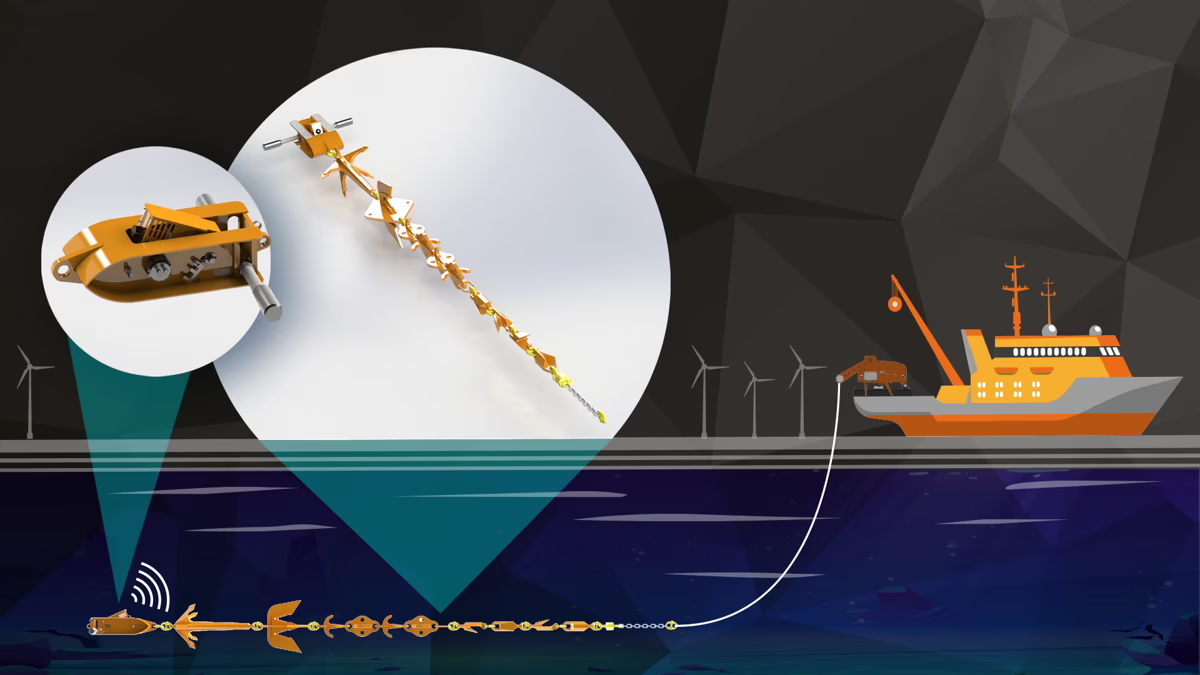
Stingray, which gets its name from being relatively flat and moving along the seabed, can be connected in the grapnel train and uses acoustics to send a signal to a vessel towing the train to communicate where it is on the seabed. It is positioned at the rear of a train of multiple grapnels attached together and towed behind the vessel when a PLGR is being undertaken. It is located the furthest away from the ship’s stern.

Stingray is 1,343mm long and 308mm high with the beacon closed; with it open, it is 473mm high. The main body is 500mm wide and, depending on what type of stabiliser is fitted, it is 900mm or 1,500mm wide. While there is only one body size, there will be options in that customers will be able to fit different sized stabilisers to suit deployment chutes. There will also be the ability to fit different manufacturers’ ultra-short baseline (USBL) beacons to meet the client’s preferences and what receiver is already fitted onto the vessel. The acoustic grapnel is manufactured from high-strength structural steel and covered with a special marine paint.

Martin Halford, managing director at DLM, said: “Technically, it is not a grapnel, as it doesn’t ‘grapple’ for anything. Instead, it feeds back information to the vessel on the grapnel train’s position. However, the overall shape of it is based on the front skid of our wheeled detrenching grapnel. As a grapnel train is being towed it is often just assumed that the train falls in line with the direction and movement of the vessel and follows the same path. However, this is not necessarily the case due to the length of the tow line and also the length of the train; the whole assembly can wander and in some cases the grapnel train could be outside of the planned route.

“This means the intended cable route may not be totally clear, resulting in more time repeating sections of the intended route. Time is a huge expense in offshore operations; delays like this could result in jobs either being profitable or loss-making, as they run into the hundreds of thousands of pounds. This is where Stingray comes in.”

Van Oord tests uses Stingray

Stingray was conceptualised during a project being completed by international marine contractor Van Oord, a longtime user of DLM’s load cells, load monitoring equipment, and grapnels. The company was involved in one of two sea trials of the product, following prototyping and testing. Van Oord needed to ensure an accurate grapnel location at all times and didn’t want to utilise a remotely operated underwater vehicle (ROV).

Prior to any such works, a survey is conducted to determine what is on the seabed, including any obstructions that need to be cleared. The type of seabed (sand, clay, or rock, etc.) can also be investigated to decide on the type of grapnels to be used. A PLGR operation is conducted where the grapnels are towed behind a vessel and the route where the cable is going to be laid is effectively cleared of obstructions and debris, along with perhaps grappling and recovering out-of-service cables, ready for the cable lay operations to commence afterwards.

Halford explained: “There have been instances in the past where an operator is grappling for an out-of-service cable that needs to be recovered and removed from the seabed. The operator would position the vessel at what is believed to be 90 degrees to the cable and then the operator would move the vessel forward to grapple for the cable. If this fails because the vessel is in the wrong location in relation to where the cable is, then the process needs to be repeated at extra time and cost. Having an ROV and the related equipment required to launch one of these onboard the ship incurs much larger cost than the Stingray system.

“We are increasingly being asked for a device that does exactly what the Stingray does — especially if [the PLGR] is in a tight corridor, where perhaps it is critical that the grapnels do not wander, due to the locality of pipelines or other no-go areas.”

DLM continues to develop smart grapnels, fitted with radio-frequency identification (RFID) chips from RiConnect, a cloud-based Software as a Service (SaaS) provider. While Stingray doesn’t have RFID, it can be fitted with a DL-3.0 data logger, which is able to log the movement of the product against time using its onboard microelectronic mechanical systems (MEMS) sensors.

Stingray is available to be purchased and sourced as a rental asset.

Associated Listing:
Liferafts International DiveCo Marine Civils Sealane Maritime Engineering
SubSalve USA Schwer Marine Fittings Hystat Hydraulic Cylinder Manufacturers BP Norse Marine Southbay Marine Services

Engine failures build up over time

Friday, 14th March 2025

Marine Diesel Engine failures don’t happen overnight—they build up over time

Bartech Marine Engineering Case Study

A marine operator’s Caterpillar marine diesel engine failed, and Bartech were called to assist. During the inspection, there was increasing fuel oil contamination in the sump, vibration issues, blue smoke, and reduced power output. Further investigation revealed that cylinder 12 had a partially missing valve, allowing unburned fuel to flood the sump. There was also water ingression in both cylinder banks—an issue that could have been prevented with regular checks.

The True Cost of Neglected Maintenance

Turbocharger Damage – Both turbine wheel assemblies were compromised, reducing engine boost pressure and overall power.
Corrosion & Water Contamination – Found in the air cooler air box, accelerating wear and reducing efficiency.
Cylinder & Piston Damage – A missing inlet valve caused severe damage to the piston crown, while debris from the failure affected another cylinder.
Camshaft Wear – Scoring was found on one of the journals, indicating progressive deterioration.
Damage found on Caterpillar engine

Instead of a quick overhaul, this vessel required major rectification work, which could have been avoided with routine servicing. Fortunately a suitable replacement marine diesel engine was found to get them back up and running with minimal downtime. The original engine will now undergo a full engine overhaul to ensure it’s available when needed, preventing future disruptions.

Why Preventative Maintenance Matters

Avoid Expensive Failures – Small issues, if caught early, prevent catastrophic breakdowns or more expensive engine repairs.
Minimise Downtime – Routine servicing keeps vessels operational when it matters most.
Extend Engine Life – Regular inspections protect your investment and performance.
Ensure Reliability – Reduce the risk of unexpected failures at sea.
Preventative maintenance isn’t just an expense—it’s an investment in reliability, efficiency, and cost savings.

To see how Bartech Marine can help keep your diesel engines running at their best visit our website at www.bartechmarine.com

Associated Listing:
Liferafts International DiveCo Marine Civils Sealane Maritime Engineering
SubSalve USA Schwer Marine Fittings Hystat Hydraulic Cylinder Manufacturers BP Norse Marine Southbay Marine Services

Motive Offshore Group Invests to Support North Sea Growth

Thursday, 6th March 2025

Motive Offshore Group Invests Six Figures to Expand Peterhead Facility and Support North Sea Growth

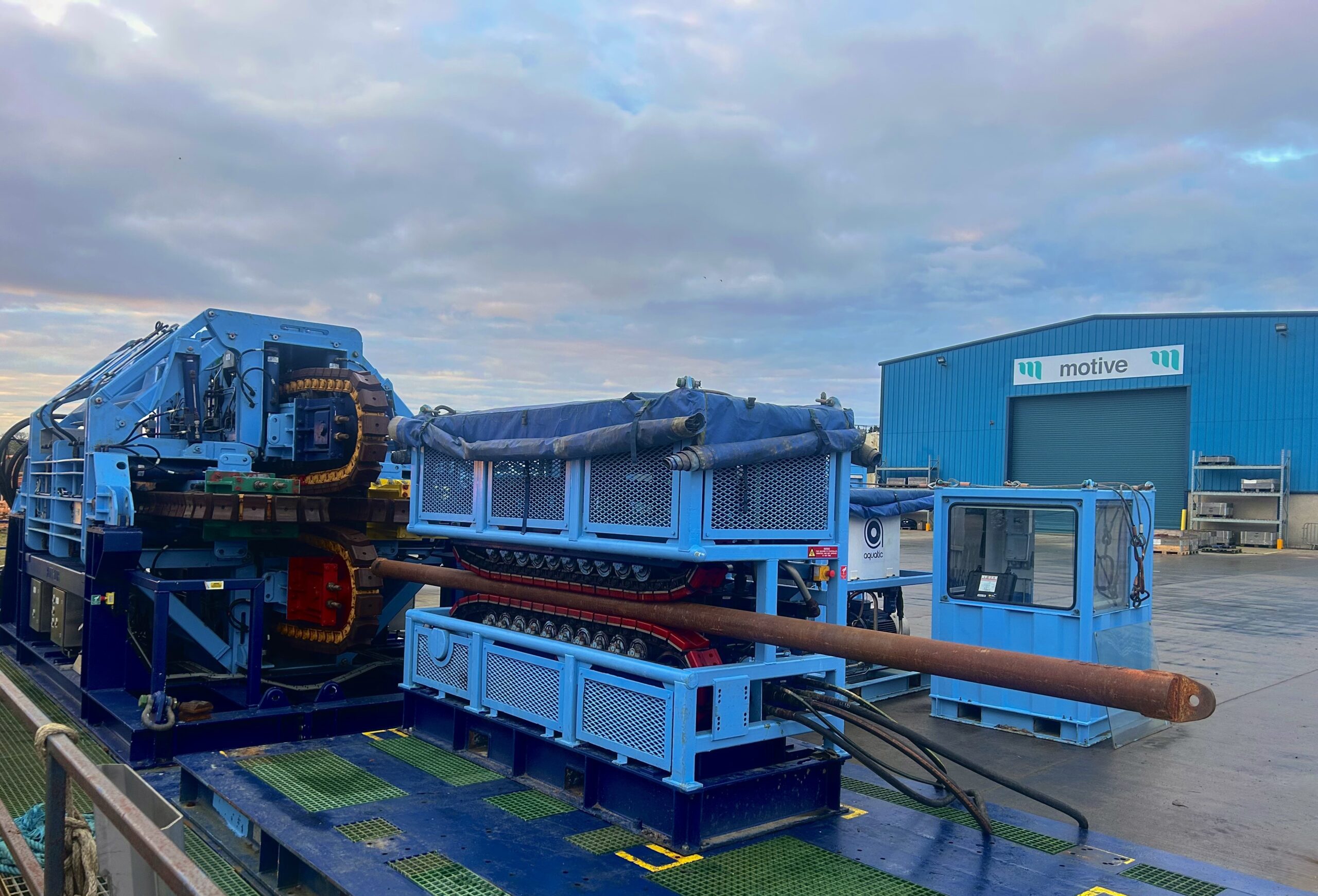
Motive Offshore Group (Motive), a leading provider of rental, inspection, and engineering services for the energy sector, has announced an investment of over £500,000 in its Peterhead facility. This significant investment follows Motive’s acquisition of the site in 2024 and marks a major step in enhancing its operations across the North Sea.

The purpose-built Peterhead operations hub is set to be fully refurbished by the end of 2025. The facility will serve as a central base for Motive’s expanding fleet of offshore equipment and testing services, offering clients a comprehensive end-to-end solution under one roof — from loadouts and testing to full operational support. Purchased as part of Motive’s acquisition of Aquatic, the site will streamline support for subsea projects in the North Sea, delivering faster turnaround times and reinforcing Motive’s ability to provide integrated solutions across global offshore energy markets, including oil, gas, and renewables.

Dave Acton, CEO of Motive, said: “Investing in Peterhead allows us to expand our local capabilities and better support the growing demands of our clients. As Scotland’s energy sector evolves with the transition to renewables, rising power demand, and the need for continued innovation, this investment ensures we can deliver even more efficient and reliable solutions across the North Sea.”

The expansion will also see a 30% increase in local headcount, demonstrating Motive’s commitment to both the workforce and ESG principles. The refurbished facility will incorporate enhanced staff training programs, waste reduction measures, and operational efficiencies designed to minimize environmental impact.

Steven Kilpatrick, European Rentals Director at Motive, added: “We are excited by the opportunities in Peterhead and proud to deepen our engagement with the local community. This facility allows us to grow our team while continuing to invest in the careers and development of our people.”

The upgraded Peterhead facility is expected to play a central role in supporting Motive’s expanding project portfolio, reinforcing its position as a trusted partner for offshore energy operations in the North Sea and around the world.

Associated Listing:
Liferafts International DiveCo Marine Civils Sealane Maritime Engineering
SubSalve USA Schwer Marine Fittings Hystat Hydraulic Cylinder Manufacturers BP Norse Marine Southbay Marine Services

Ocean Business 2025 conference programme announced

Monday, 3rd March 2025

Preparations for Ocean Business 2025 are well underway, with a bigger-than-ever exhibition and a packed two-day conference programme, more details of which can now be unveiled.

The line-up of industry experts reflects the scope and ambition of the sector as it gathers together for the global marine technology and science show, to be held at the National Oceanography Centre (NOC) in Southampton from April 8-10

Keynote Speakers Day 1

Keynote speakers on day one of the conference, which will take place on Tuesday, April 8, include John Siddorn, NOC chief executive, who will examine the centre’s role in industry engagement; Andy Liddell of Defence Equipment and Support, who will explore the future of autonomous systems in the Royal Navy; and Commander Mark Butcher, who will represent Navy Develop and its many technical collaborations.

At the end of the morning session, the Society of Maritime Industries (SMI) will present its coveted Business Person of the Year Award.

After lunch, Becky Conway, CEO of the Hydrographic Society UK & Ireland, will lead a discussion on Future Skills for the Next Generation of Ocean Technology, along with Fugro Academy’s Mike Redmayne, while Chris White of the Australian Maritime College will offer an Antipodean perspective on training in autonomous maritime systems.

Following an early careers platform for student hydrographers, two pan-sector panels, both mediated by Conference Chair Sue John, will look at Space and the Marine Environment, with the NOC’s Paul Bell investigating the Remote Sensing Revolution, plus presentations from the European Space Agency, the Space South Central Enterprise Network, and Surrey Satellite Technology.

The Future of our Ocean Day 2

The Future of our Ocean is the overall theme of day two, on Wednesday, April 9. Chaired by BP’s Mark Poole and with a roll-call of international innovators, from RS Aqua’s Ryan Mowat to Neil Manning of Cellular Robotics Canada and Adam Hamilton of MMA Offshore, Australia, the event addressed everything from intelligent underwater acoustics to long-endurance AUVs and the challenges of renewable energy surveys.

Also not to be missed, in the second session on this theme, chaired by Trish Buxton of Thurn Group, are talks by Port of London hydrographer John Dillon-Leetch, on meeting the needs of the UK’s number one port; Andrijana Horvat from Hidrocibalae Croatia with an update on AI’s role in security challenges; Adam Parnell, of safety at sea charity CHIRP, focusing on incident reporting and saving lives; and Sam Taylor, of Ocean Infinity, charting the course of the Armada fleet of unmanned surface robots.

Continuing the Future of our Ocean theme, David Parker and Rob Clarke of the UK Centre for Seabed Mapping and UK Hydrographic Office will be joined by Nicola Robinson of ORE Catapult, the UK technology innovation and research centre for offshore wind, wave and tidal energy, and Ryan Mowat, SMI’s Marine Science and Technology Council Director.

All will then reconvene for the final panel session of the day, chaired by Mike King of Sulmara Subsea, to consider how developments in the ocean science community are disrupting the status quo.

Ocean Business Conference Chair Sue John said: ‘I am really excited to be given this opportunity to co-chair the Ocean Business 2025 conference programme. Ocean Business plays a vital role in connecting the global ocean technology community, and I am committed to building on its success by delivering an exceptional platform for innovation, collaboration, and growth.’

Cheri Arvonio, Event Director at show organiser Diversified Communications, said: ‘By popular demand, we have extended our conference this year, with two full days of not to be missed presentations from a who’s who of industry leaders.

‘As the countdown to Ocean Business 2025 begins, we are now putting the finishing touches on our programme and will have more announcements to make soon.’

For more details, including updates, of the free to attend event, being held in the Seminar Room (Level 4 NOC), visit Conference Programme 2025 – Ocean Business | Southampton | 8-10 April 2025

More than 300 world leading manufacturers and service providers shaping the future of ocean science and technology have booked space at Ocean Business 2025, which is open to all visitors for free by registering online at www.oceanbusiness.com

Associated Exhibition:
Liferafts International DiveCo Marine Civils Sealane Maritime Engineering
Seaplant Marine & Offshore Magazine

Join us

Our commercial marine magazine is designed to provide the perfect place for buyers and sellers of marine equipment and services to find each other.  Provide us with your name and address to receive your copy every month and upload your details to our website to be part of the Seaplant marine Business Finder.

add your company