SubSalve USA Schwer Marine Fittings Hystat Hydraulic Cylinder Manufacturers BP Norse Marine Southbay Marine Services

CRP Subsea secures Seaway7 offshore wind cable contract

Thursday, 28th May 2026

CRP Subsea, part of AIS, has been awarded a significant contract by Seaway7 to supply cable protection systems for the ScottishPower Renewables East Anglia TWO offshore wind project in the North Sea.

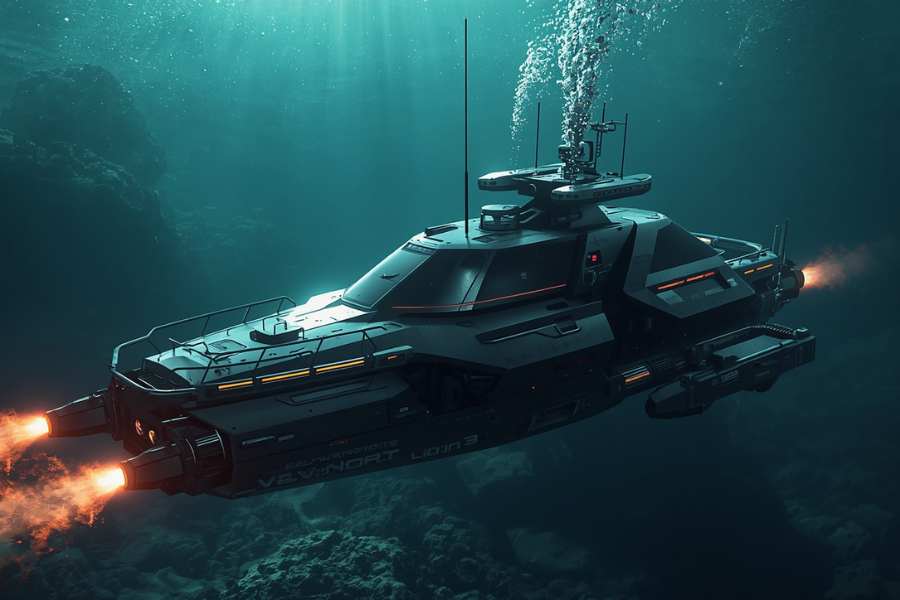
The agreement will see CRP Subsea deliver 142 NjordGuard cable protection systems designed to safeguard inter-array cables at each end of wind turbine generators. The systems are engineered to prevent over-bending, abrasion and fatigue during installation and throughout long-term operation, supporting advanced underwater engineering requirements in challenging offshore environments.

Three tailored NjordGuard configurations will be developed to accommodate both monopile foundations and J-tube interface requirements, ensuring compatibility across varying offshore installation conditions.

Engineering, Manufacturing and Project Delivery

CRP Subsea will manufacture the systems at its dedicated facility in the North West of England. The site features a semi-automated production line designed to significantly increase output capacity and support large-scale offshore energy and underwater engineering projects.

Engineering work will begin immediately, with final delivery scheduled for February 2027.

• 142 NjordGuard cable protection systems to be supplied for the East Anglia TWO project
• Designed to protect inter-array cables from abrasion, fatigue and over-bending
• Three bespoke designs developed for monopile and J-tube interfaces
• Manufactured at CRP Subsea’s advanced UK production facility
• Project delivery planned for completion in February 2027

Offshore Wind Project Overview

East Anglia TWO forms part of the wider East Anglia Hub, which also includes East Anglia ONE North and East Anglia THREE. The development is located in the North Sea, approximately 46 km off the coast of Lowestoft and 113 km from the Netherlands.

The project will cover an area of 218 km² and is expected to feature up to 64 wind turbine generators, with a planned installed capacity of up to 960 MW.

NjordGuard Cable Protection Technology

NjordGuard is an integrated cable protection system designed for offshore wind power applications, including turbine generators and offshore substations.

Manufactured using API-qualified materials, the system delivers high resistance to abrasion and bending stress. It is designed for straightforward installation onboard vessels and is compatible with both monopile and J-tube interfaces.

Its use of API 17L-certified Uraduct® material enhances seabed wear resistance, helping to reduce the need for additional rock protection and supporting reliable underwater engineering performance over the asset lifecycle.

About CRP Subsea

CRP Subsea, an AIS company, delivers high-integrity engineering solutions designed for the most demanding offshore environments. Using advanced material technologies, the company develops products that perform reliably in harsh subsea conditions across global energy projects.

The company specialises in the design and manufacture of polymer and syntactic foam-based buoyancy and protection systems for both offshore renewable energy and oil and gas industries. These solutions are engineered to support installation efficiency, operational safety and long-term subsea asset performance.

With more than 40 years of industry experience, CRP Subsea continues to provide innovative subsea and underwater engineering solutions that meet the evolving needs of the offshore energy sector.

More information is available at CRP Subsea

Liferafts International DiveCo Marine Civils Sealane Maritime Engineering
SubSalve USA Schwer Marine Fittings Hystat Hydraulic Cylinder Manufacturers BP Norse Marine Southbay Marine Services

Hydrex Delivers Complex Underwater Propeller Repair in Nigeria

Wednesday, 27th May 2026

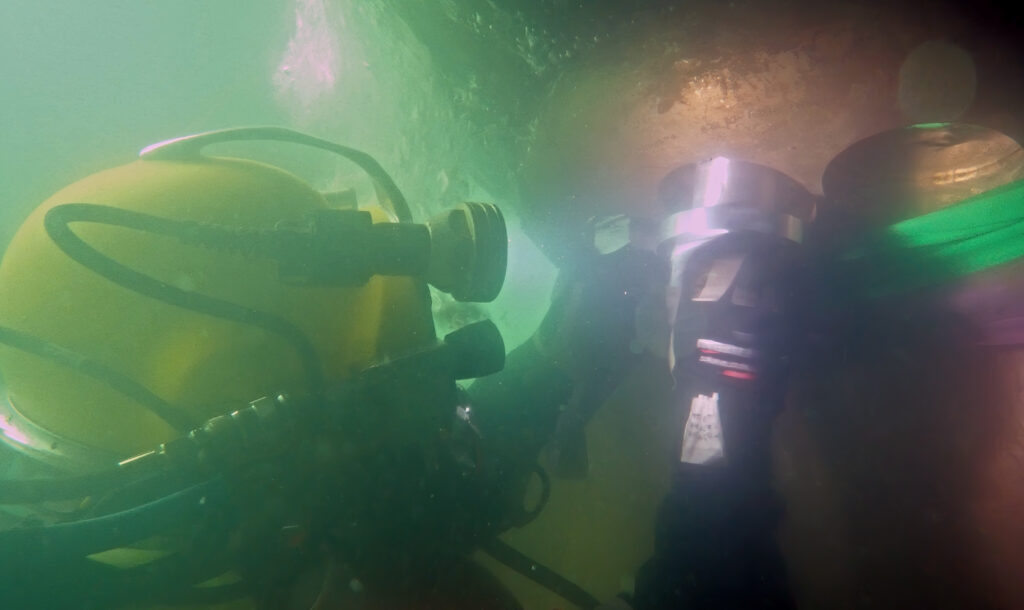
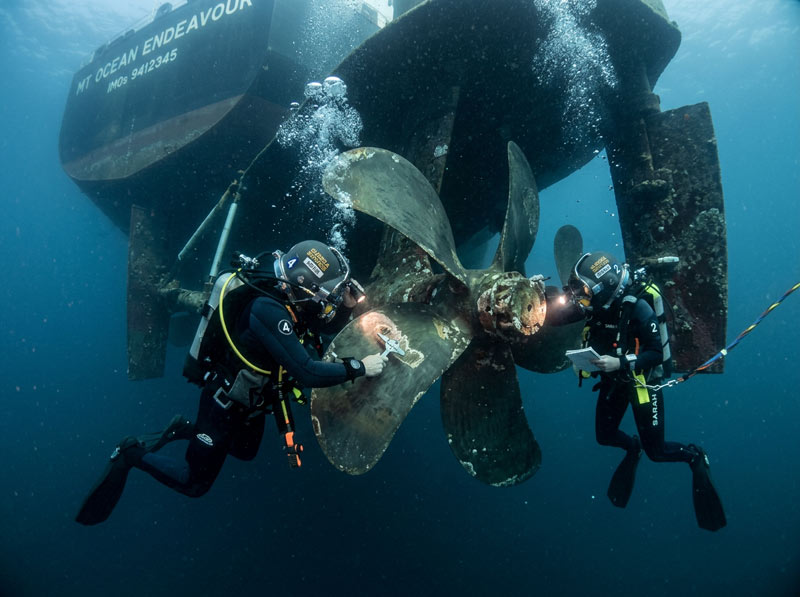
Hydrex has successfully completed a complex underwater propeller repair on a hopper dredger in Lagos, Nigeria, reinforcing its global capability in specialist marine maintenance.

The vessel required urgent intervention after oil leakage was detected from one blade of its controllable pitch propeller. To avoid disruption to operations, Hydrex was mobilised to perform the propeller repair underwater while the vessel remained in port, eliminating the need for drydocking.

A specialist diving and engineering team was deployed to Lagos to carry out the work under challenging underwater conditions. A detailed inspection confirmed that blade number three was the source of the leakage, enabling the repair plan to be finalised quickly on site.

Complex propeller repair completed without drydocking

The underwater propeller repair involved removing the affected blade and inspecting all sealing surfaces. No structural damage was identified during the inspection. New seals and a sealing plate were installed, with all components carefully lubricated and positioned in accordance with manufacturer and class standards.

Following completion of the repair work, the blade was repositioned using an approved lifting procedure. All blade bolts were cleaned, reinstalled and tightened to specified torque settings. Final leakage and pitch tests were successfully completed, confirming the effectiveness of the propeller repair.

By completing the underwater propeller repair in situ, Hydrex enabled the vessel to continue operating without interruption, avoiding the cost and downtime associated with drydocking.

The project was carried out during the end-of-year period, requiring flexibility from all parties involved. Despite logistical challenges, the repair was completed efficiently through close coordination between the onboard crew and Hydrex teams.

This successful operation highlights Hydrex’s expertise in underwater propeller repair and its ability to mobilise globally to support shipowners wherever vessels are operating.

• Underwater propeller repair completed in Lagos, Nigeria
• Hopper dredger remained operational throughout the intervention
• Oil leak traced to blade number three of the controllable pitch propeller
• Seals and sealing plate replaced during underwater propeller repair
• Final tests confirmed successful propeller repair completion
• No drydocking required, reducing downtime and operational cost

Underwater propeller repair for the offshore shipping industry

Underwater Propeller Repair

Underwater propeller repair has become one of the most important services in the offshore shipping world. When a vessel suffers propeller damage, every hour lost affects schedules, fuel efficiency and operating costs. Instead of waiting for a dry dock slot, shipowners now rely on specialist dive teams who repair propellers underwater, anywhere in the world, without interrupting long voyages or offshore operations.

Why Underwater Propeller Repair Matters

Propellers take a beating at sea. Contact with debris, fishing gear, ice, or seabed material can bend blades or create surface damage. Even small defects increase vibration, reduce thrust and raise fuel burn. Offshore vessels work to tight deadlines, so delays are expensive. Underwater repair teams help shipowners avoid downtime by fixing problems on site, even while the vessel remains loaded or on charter.

How Repairs Are Carried Out

Underwater repair teams use trained commercial divers, hydraulic tools and portable machining equipment.

They inspect the propeller, measure blade alignment and carry out repairs such as:

• Cold straightening of bent blades

• Grinding and polishing damaged edges

• Cropping blades to restore balance

• Removing fouling or marine growth

• Replacing sacrificial anodes

• Checking for cracks or structural issues

These repairs restore smooth operation and reduce vibration, helping vessels return to normal performance without leaving the water.

Global Mobilisation for Offshore Vessels

One of the biggest strengths of underwater propeller repair services is global reach. Offshore vessels operate in remote regions, from the North Sea to West Africa, the Middle East, Asia and the Americas. Repair teams are used to rapid mobilisation and travel with compact equipment that fits into flight cases. This allows them to reach ports, anchorages and offshore fields quickly. Many teams operate 24 hours a day and work in challenging conditions, including low visibility, strong currents and tight underwater spaces.

Benefits for Shipowners

Shipowners choose underwater propeller repair to avoid dry dock costs and keep vessels in service. Repairs are completed faster, fuel efficiency improves and vibration levels drop.

Offshore support vessels, tankers, bulk carriers, cable layers and construction ships all rely on these services to stay operational. The ability to mobilise globally means help is available wherever the vessel is working.

Associated Listing:
Liferafts International DiveCo Marine Civils Sealane Maritime Engineering
SubSalve USA Schwer Marine Fittings Hystat Hydraulic Cylinder Manufacturers BP Norse Marine Southbay Marine Services

Marine Fire Safety achieves IMO Approval for Stat-X®

Wednesday, 20th May 2026

Marine Fire Safety Secures MED & MER Approval for Stat-X® Aerosol Fire Suppression Systems

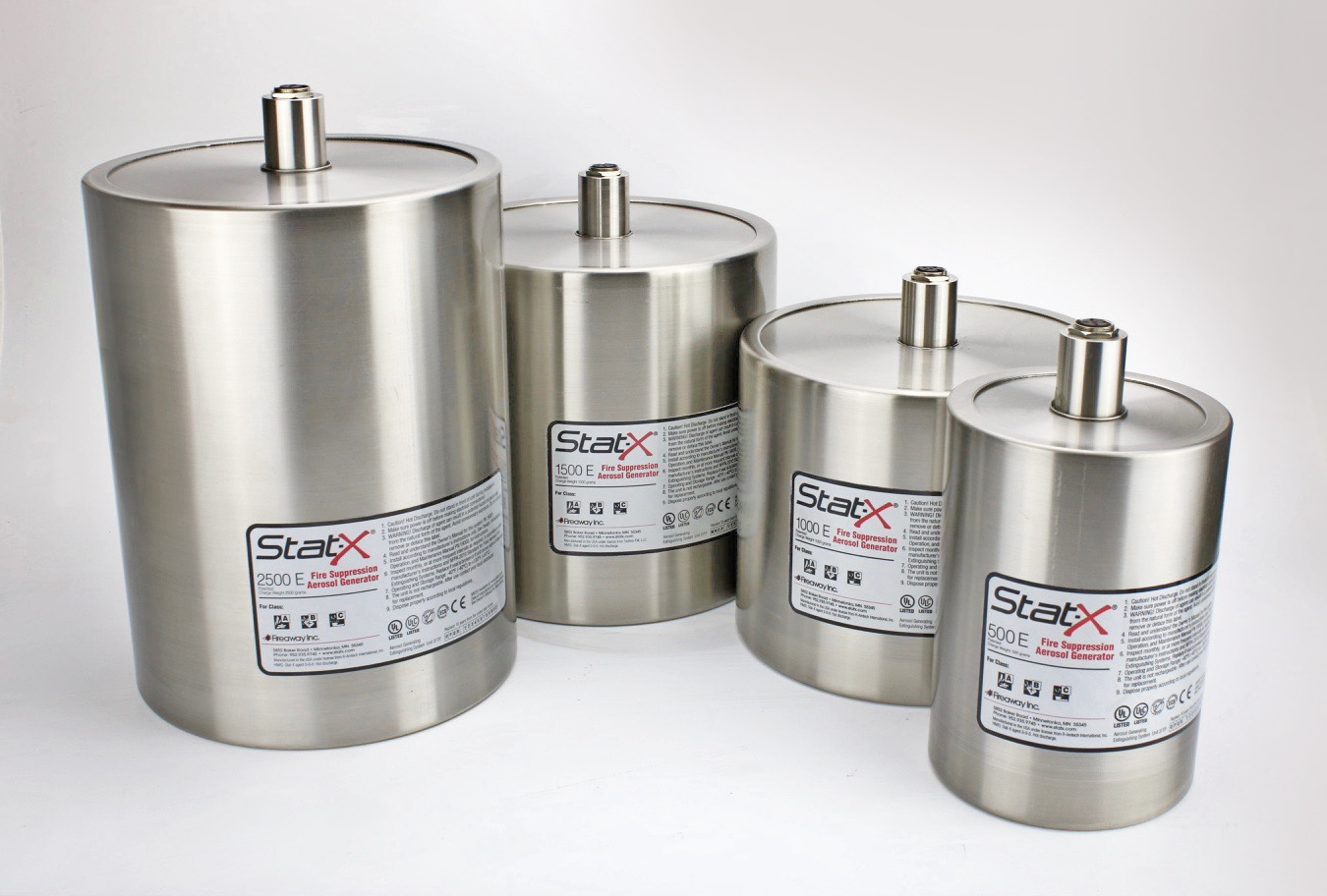
Marine Fire Safety, specialists in marine firefighting and lifesaving equipment, is pleased to announce that the Stat-X® Condensed Aerosol Fire-Extinguishing System has achieved both EU MED and UK MER Type Approval following successful MSC.1/Circ.1270 testing.

This latest certification applies to all electrically and thermally operated Stat-X® generator models and marks a major milestone for the marine fire protection sector. The approval enables Stat-X® condensed aerosol fire suppression systems to be installed onboard all sizes and types of commercial vessels, removing the previous limitation to vessels under 24 metres in length.

Expanded Opportunities for Commercial Marine Fire Protection

Mark Bresnahan, Managing Director at Marine Fire Safety, said: “Achieving MED and MER Type Approval is a significant milestone for both Marine Fire Safety and the technical team at Stat-X® HQ. This IMO approval opens new opportunities within the global commercial marine sector and strengthens our position as a trusted supplier of advanced fire suppression technology.”

Compact, Effective Fire Suppression for Marine Applications

Stat-X® condensed aerosol fire suppression systems are specifically designed for use in:

 – Engine rooms

– Auxiliary machinery spaces

– Electrical enclosures

– Special-hazard marine environments

Unlike traditional suppression systems, Stat-X® technology is non-pressurised and installed directly within the protected space, eliminating the need for external cylinders, complex pipework, or dedicated storage areas. This compact design makes it particularly suitable for space-restricted marine applications.

Protecting Critical Equipment & Minimising Downtime

Stat-X® aerosol fire suppression technology offers vessel owners and operators a range of operational and safety benefits, including:

 – Rapid fire suppression response

– Protection of engines, electronics, and sensitive onboard machinery

– Reduced downtime and operational disruption

– Lower risk of costly fire-related damage

– Enhanced onboard safety for crew and passengers

With EU MED certification, UK MER approval, and global Bureau Veritas (BV) Type Approval now in place, Stat-X® systems are ideally suited for installation aboard SOLAS-classed vessels operating worldwide.

Marine Fire Safety: Protecting Vessels, Crew and Offshore Assets Across the UK

Marine Fire Safety is a UK‑based specialist company dedicated to supplying, installing and maintaining firefighting and life‑saving equipment for the marine and offshore sectors. With over two decades of experience and a reputation built on reliability, rapid response and technical expertise, the company has become a trusted partner for vessel owners, boat builders and offshore operators across the UK and Europe.

Marine Fire Safety operates from its head office in Surrey, with an additional service base in Bodmin, enabling nationwide coverage and fast mobilisation. The company is known for its comprehensive range of marine‑approved fire suppression systems, including Stat‑X aerosol systems, galley fire suppression units, fire alarms and portable extinguishers. As authorised UK marine agents for Stat‑X, they supply cutting‑edge aerosol‑based suppression technology designed for engine rooms, machinery spaces and enclosed compartments—areas where rapid fire control is critical.

Beyond fire suppression, Marine Fire Safety provides a full suite of life‑saving appliances. Their MCA‑approved service station offers inspection, servicing and hire of commercial liferafts, immersion suits and lifejackets. They also supply EPIRBs, PLBs, pyrotechnics, lifebuoys and other essential safety equipment from leading marine brands, ensuring vessels meet regulatory requirements and industry best practice.

One of the company’s standout strengths is its 24/7 engineering support. Marine Fire Safety’s technicians are trained to respond rapidly to emergency call‑outs, aiming to attend vessels within 24 hours of first contact. This fast‑response capability minimises downtime and helps operators return to sea with minimal disruption—an invaluable service for commercial fleets working to tight schedules.

Marine Fire Safety also provides full installation, commissioning and maintenance services for fire systems across the UK and Europe. Their technical team supports customers from initial enquiry through to system design, installation and ongoing servicing, ensuring long‑term reliability and compliance.

With a commitment to competitive pricing, high‑quality equipment and exceptional customer support, Marine Fire Safety continues to be a leading name in marine fire protection and life‑saving solutions across the UK maritime sector.

Associated Listing:
Liferafts International DiveCo Marine Civils Sealane Maritime Engineering
SubSalve USA Schwer Marine Fittings Hystat Hydraulic Cylinder Manufacturers BP Norse Marine Southbay Marine Services

AMI Marine Achieves Panama Approvals for SMIDS Pro GNSS Speed Log

Tuesday, 12th May 2026

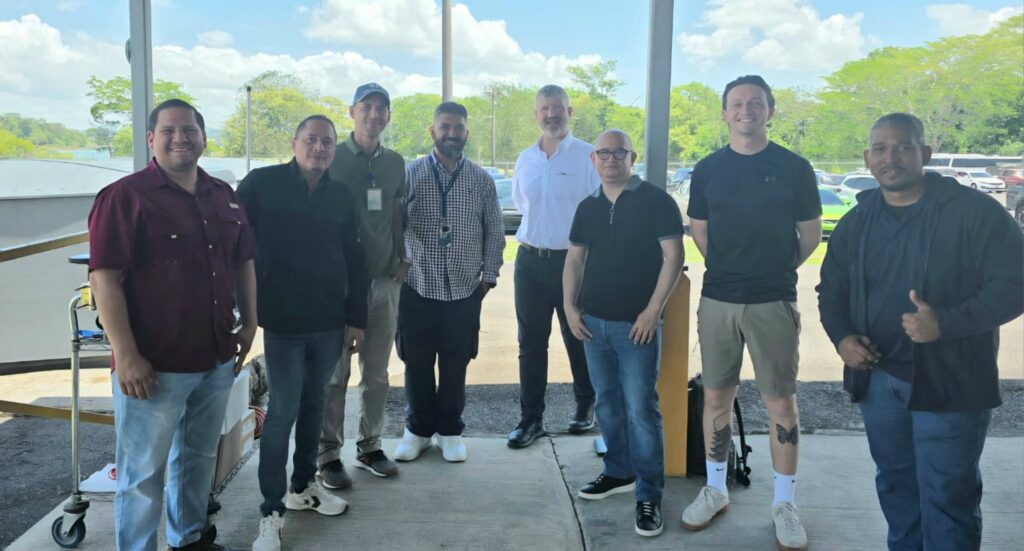
AMI Marine is pleased to announce that its ACP (Panama Canal Authority) Non-Portable Piloting Aid (NPU) option for the SMIDS Pro GNSS Speed Log has successfully achieved approval from the Panama Canal Authority.

This latest certification further strengthens the SMIDS Pro product portfolio and confirms the system’s suitability for vessels requiring reliable, compliant, and future-ready speed and distance measurement technology for Panama Canal operations.

Many operators across the maritime sector are already familiar with AMI Marine’s legacy SMIDS equipment, which has established a strong reputation over many years as a dependable standard across a broad range of vessel types. Building on this proven foundation, the SMIDS Pro with the NPU Upgrade Kit represents a significant advancement in navigational performance and technology.

The next-generation system introduces a range of advanced capabilities, including:

  • High-precision GNSS-based speed, distance, and heading measurement
  • Enhanced operational reliability and performance in demanding marine environments
  • Modernised system architecture designed for straightforward integration and long-term support
  • A flexible upgrade pathway enabling seamless transition from legacy SMIDS installations across fleets of all sizes

For existing SMIDS customers, the upgrade pathway has been specifically designed to minimise installation time and operational disruption while delivering significant improvements in compliance, capability, and overall vessel performance.

Commenting on the approval, AMI Marine stated that the certification demonstrates the company’s ongoing commitment to delivering innovative, compliant, and operationally dependable navigation solutions to the global maritime industry.

AMI Marine: Precision Engineering & Smart Navigation Solutions for the Global Maritime Sector

AMI Marine is a UK‑based maritime technology company recognised worldwide for its high‑quality navigation, monitoring and data‑recording systems. With decades of experience supporting commercial fleets, workboats, defence vessels and offshore operators, AMI Marine has built a reputation for engineering reliability, technical innovation and exceptional customer support.

Founded in Southampton—one of the UK’s most important maritime hubs—AMI Marine designs and manufactures a wide range of specialist equipment, including Voyage Data Recorders (VDRs), Simplified Voyage Data Recorders (S‑VDRs), BNWAS systems, digital switching solutions, and advanced alarm monitoring systems. Their products are used globally to enhance vessel safety, improve operational efficiency and ensure compliance with international maritime regulations.

At the heart of AMI Marine’s offering is the X‑Series VDR, a robust, IMO‑approved system engineered for long‑term reliability in demanding marine environments. The company also provides retrofit solutions, system upgrades, and full-lifecycle support, making it a trusted partner for shipowners seeking dependable navigation and data‑logging technology.

Beyond hardware, AMI Marine delivers comprehensive technical services, including installation, commissioning, diagnostics and global support. Their engineers work closely with shipyards, fleet managers and vessel operators to ensure seamless integration and ongoing performance. The company’s commitment to rapid response and remote assistance ensures minimal downtime—an essential advantage for commercial fleets working to tight schedules.

AMI Marine also invests heavily in research and development, continually refining its systems to meet evolving IMO standards and the growing demand for smarter, more connected vessels. Their focus on intuitive interfaces, durable construction and long‑term serviceability has made them a preferred supplier across multiple maritime sectors.

With a blend of British engineering, global reach and unwavering commitment to safety, AMI Marine continues to shape the future of marine navigation and vessel data management.

For further information about the SMIDS Pro system or to arrange a demonstration, contact the AMI Marine team.

Associated Listing:
Liferafts International DiveCo Marine Civils Sealane Maritime Engineering
SubSalve USA Schwer Marine Fittings Hystat Hydraulic Cylinder Manufacturers BP Norse Marine Southbay Marine Services

Beyond the Horizon: The Technologies Driving Offshore Marine Into the Future

Tuesday, 5th May 2026

The offshore marine industry has always been shaped by innovation. From the earliest steel‑hulled vessels to dynamic positioning systems and subsea robotics, each leap forward has expanded what’s possible at sea.

Today, the pace of change is accelerating faster than ever. Digitalisation, automation, sustainability and advanced engineering are redefining how offshore vessels operate, how projects are delivered and how the industry prepares for the decades ahead.

The technologies emerging now aren’t just incremental improvements—they’re transformative forces pushing the marine sector beyond the horizon.

Here’s a look at the innovations driving offshore marine into the future.

Autonomous and Remote‑Operated Vessels

Autonomy is no longer a futuristic concept—it’s becoming a practical reality. Offshore operators are increasingly adopting:

  • Uncrewed Surface Vessels (USVs) for survey, inspection and monitoring
  • Remote‑operated workboats controlled from onshore command centres
  • Semi‑autonomous navigation systems that reduce crew workload
  • Collision‑avoidance AI that enhances safety in congested waters

These vessels reduce operational costs, improve safety and allow continuous operations in conditions that would challenge traditional crews.

Next‑Generation Dynamic Positioning (DP)

Dynamic positioning has long been essential for offshore construction, drilling and wind installation. The next wave of DP technology includes:

  • AI‑assisted station‑keeping
  • Fuel‑optimised thruster control
  • Redundant, cyber‑secure DP networks
  • Integration with real‑time weather and metocean data

These advancements allow vessels to maintain position more efficiently, reducing fuel burn and emissions while improving operational precision.

Hybrid and Low‑Emission Propulsion

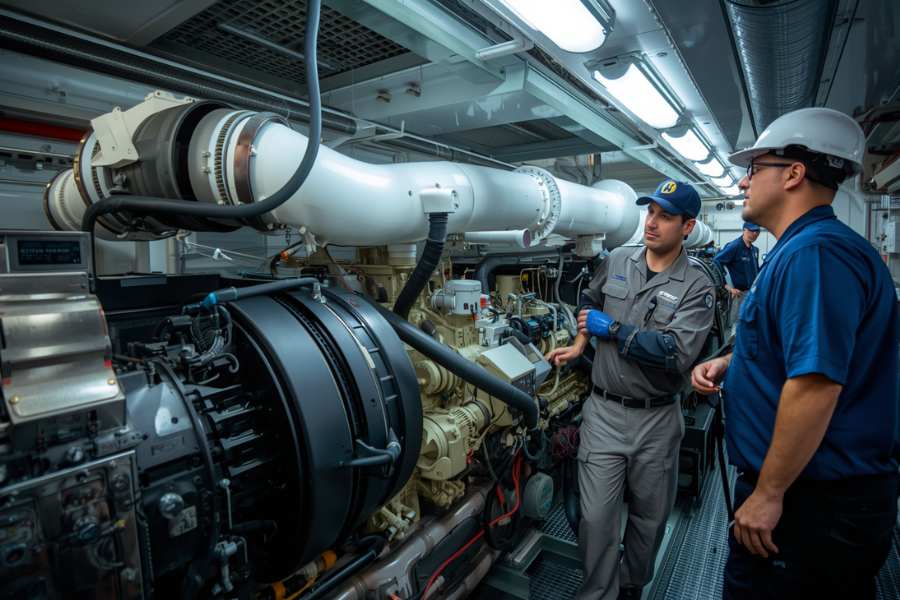
Hybrid Diesel‑Electric Propulsion

Sustainability is reshaping the offshore sector. Vessel operators are investing in propulsion systems that reduce environmental impact without compromising performance.

Key developments include:

  • Hybrid diesel‑electric systems
  • Battery‑powered offshore support vessels
  • Hydrogen and methanol‑ready engines
  • Advanced energy‑management systems
  • Shore‑power compatibility for port operations

These technologies support global decarbonisation goals and help operators meet tightening emissions regulations.

Advanced Robotics and Subsea Automation

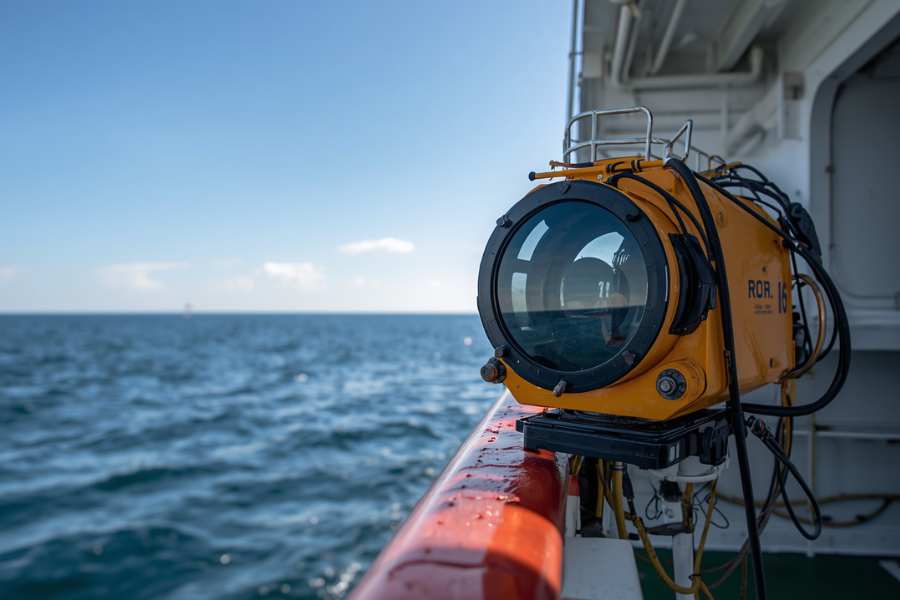
Resident ROV

The subsea environment is one of the most challenging workplaces on Earth. Robotics are transforming how offshore companies inspect, repair and maintain underwater assets.

Emerging technologies include:

  • Resident ROVs that live subsea and operate autonomously
  • AUVs (Autonomous Underwater Vehicles) for long‑range surveys
  • Robotic manipulators capable of complex repair tasks
  • AI‑driven inspection tools that detect faults earlier

These systems reduce the need for diver intervention, improve safety and deliver more accurate data.

Digital Twins and Predictive Maintenance

Digitalisation is revolutionising vessel management. Digital twins—virtual replicas of vessels, engines or entire offshore structures—allow operators to simulate performance, predict failures and optimise maintenance.

Benefits include:

  • Real‑time monitoring of critical systems
  • Predictive maintenance based on data, not guesswork
  • Reduced downtime and repair costs
  • Improved asset lifespan
  • Enhanced safety through early fault detection

For fleet operators, digital twins are becoming indispensable tools for long‑term planning.

Smart Deck Machinery and Intelligent Lifting Systems

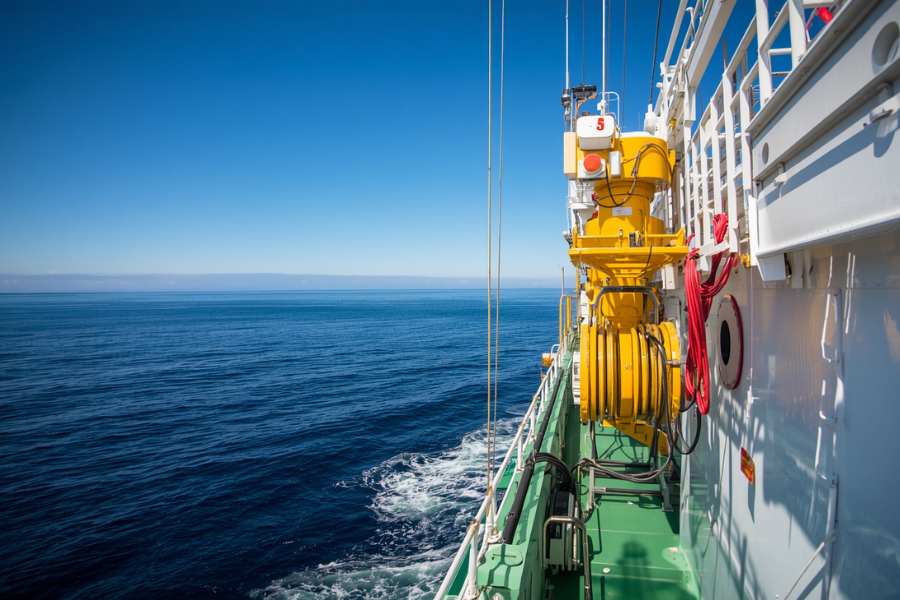
Load Sensing Winch

Deck equipment is becoming smarter, safer and more efficient. Innovations include:

  • Load‑sensing winches and cranes
  • Automated tension control
  • Remote monitoring of hydraulic systems
  • Predictive diagnostics for lifting gear

These technologies reduce the risk of lifting incidents and improve operational control during offshore construction and maintenance.

High‑Bandwidth Offshore Connectivity

Reliable connectivity is the backbone of modern offshore operations. New communication technologies are enabling:

  • Real‑time data transfer from vessels and subsea assets
  • Remote diagnostics and troubleshooting
  • High‑definition video for ROV operations
  • Crew welfare improvements through better internet access

Satellite networks, 5G offshore trials and low‑orbit constellations are all contributing to a more connected marine environment.

Modular and Rapid‑Deployment Offshore Infrastructure

As offshore wind and marine energy projects expand, the industry is embracing modularity. Innovations include:

  • Modular barges and floating platforms
  • Rapid‑assembly offshore structures
  • Prefabricated subsea modules
  • Containerised power and control systems

These solutions reduce installation time, improve flexibility and support operations in remote or challenging locations.

Cybersecurity for the Digital Ocean

With increased digitalisation comes increased risk. Offshore vessels and infrastructure are now prime targets for cyber threats. The industry is responding with:

  • Hardened DP and navigation systems
  • Encrypted communication networks
  • Real‑time threat monitoring
  • Cyber‑secure vessel management platforms

Cyber resilience is becoming as important as physical safety.

The Future: A Smarter, Cleaner, More Autonomous Offshore Industry

The technologies shaping the future of offshore marine operations share a common theme: they make the industry safer, more efficient and more sustainable. From autonomous vessels and hybrid propulsion to digital twins and subsea robotics, the innovations emerging today will define the next generation of offshore work.

The horizon is expanding—and the companies that embrace these technologies will be the ones leading the industry forward.


Liferafts International DiveCo Marine Civils Sealane Maritime Engineering
SubSalve USA Schwer Marine Fittings Hystat Hydraulic Cylinder Manufacturers BP Norse Marine Southbay Marine Services

Fuel Efficiency at Sea: How Modern Diesel Engines Are Becoming Cleaner and Smarter

Tuesday, 5th May 2026

Marine diesel engines have long been the workhorses of the offshore and commercial shipping industries.

They power everything from fishing vessels and workboats to offshore support ships and deep‑sea cargo carriers.

But as global regulations tighten and fuel costs rise, the pressure to improve efficiency and reduce emissions has never been greater.

Fortunately, modern diesel engine technology is evolving rapidly. Today’s systems are cleaner, smarter and significantly more fuel‑efficient than their predecessors—thanks to advances in engineering, digitalisation and alternative fuel integration.

Below is a deep dive into the innovations reshaping marine propulsion, supported by real‑world data and industry statistics.

Why Fuel Efficiency Matters More Than Ever

Cruise Ship Diesel Engines

Fuel is one of the largest operational expenses for marine vessels—often accounting for 30–50% of total operating costs depending on vessel type and duty cycle. Even a small improvement in efficiency can translate into major savings over a vessel’s lifetime.

Environmental pressure is also increasing:

  • The IMO 2020 sulphur cap reduced allowable sulphur content in marine fuels from 3.5% to 0.5%, pushing operators toward cleaner engines and fuels.
  • The IMO’s 2030 target aims for a 40% reduction in carbon intensity compared to 2008 levels.
  • By 2050, the IMO aims to cut total greenhouse gas emissions from shipping by at least 50%.

Modern diesel engines are a key part of meeting these targets—especially as hybrid and alternative‑fuel systems continue to mature.

1 – High‑Pressure Fuel Injection: More Power, Less Waste

One of the biggest leaps in diesel efficiency comes from advanced fuel‑injection systems.

How it works

Modern engines use common‑rail injection at pressures exceeding 2,000 bar, allowing extremely fine atomisation of fuel.

Why it matters

  • More complete combustion
  • Lower fuel consumption
  • Reduced particulate emissions
  • Smoother engine performance

Efficiency gain: Up to 5–8% fuel savings compared to older mechanical injection systems.

2 – Turbocharging and Two‑Stage Boosting

Turbochargers have been standard for decades, but new designs are pushing efficiency even further.

Two‑stage turbocharging

This system uses a low‑pressure and high‑pressure turbocharger in sequence, improving air delivery across a wider RPM range.

Benefits

  • Higher power output from the same displacement
  • Lower specific fuel consumption
  • Reduced smoke and NOx emissions

Efficiency gain: Up to 10% improvement in fuel economy on certain engine models.

3 – Electronic Engine Management Systems

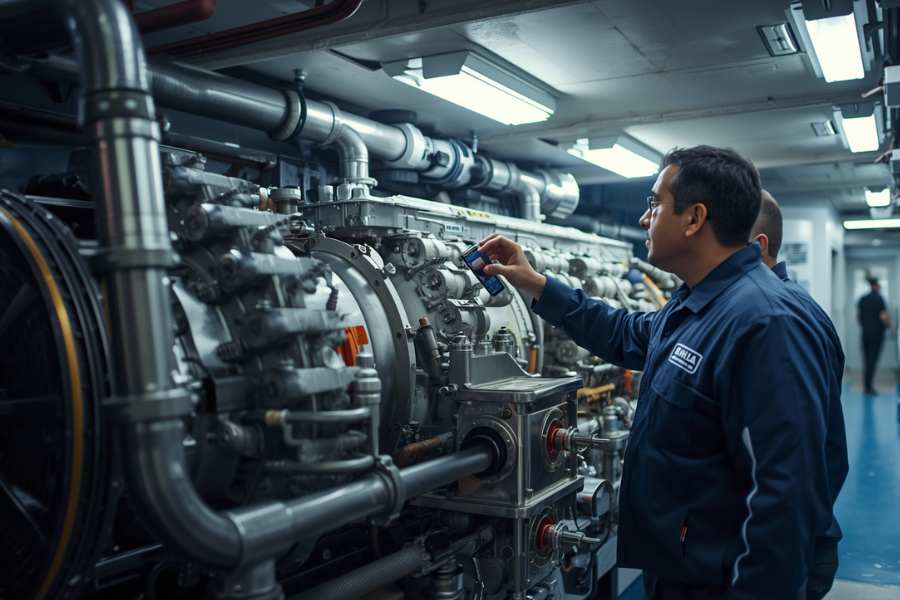
Electronic Engine Management Systemsngine Management Systems

Digitalisation is transforming marine propulsion. Modern diesel engines now feature intelligent control units that continuously optimise performance.

Smart engine controls adjust for:

  • Load changes
  • Sea state
  • Fuel quality
  • Temperature
  • Emissions limits

Real‑world impact

According to MAN Energy Solutions, electronic engine management can reduce fuel consumption by 3–5% and cut NOx emissions by up to 20%.

4 – Waste Heat Recovery Systems (WHRS)

Marine engines waste a significant amount of energy as heat—up to 50% of total fuel energy. Waste Heat Recovery Systems capture this heat and convert it into usable power.

Uses include:

  • Generating electricity
  • Powering auxiliary systems
  • Reducing load on generators

Efficiency gain: Large vessels can achieve 5–10% fuel savings, with some systems reaching 12% under optimal conditions.

5 – Hybrid Diesel‑Electric Propulsion

Hybrid Diesel‑Electric Propulsion

Hybrid systems are becoming increasingly common in offshore support vessels, ferries and workboats.

How hybrids improve efficiency

  • Engines run at optimal RPM
  • Batteries handle low‑load operations
  • Regenerative charging during braking or DP operations
  • Reduced idling and fuel burn

Results

DNV reports that hybrid systems can reduce fuel consumption by 15–25%, depending on vessel type and duty cycle.

6 – Cleaner Fuels and Advanced Combustion

Modern diesel engines are designed to run on a wider range of cleaner fuels, including:

  • Low‑sulphur marine diesel
  • Ultra‑low sulphur diesel (ULSD)
  • Biodiesel blends
  • Synthetic diesel
  • LNG‑assisted dual‑fuel systems

Environmental impact

Switching from high‑sulphur fuel oil to low‑sulphur diesel reduces SOx emissions by over 99% and particulate matter by up to 80%.

7 – Digital Twins and Predictive Maintenance

Digital twins—virtual models of engines—allow operators to simulate performance and predict failures before they occur.

Benefits

  • Reduced downtime
  • Optimised fuel burn
  • Early detection of inefficiencies
  • Better long‑term planning

According to Wärtsilä, predictive maintenance can reduce fuel consumption by 2–4% and cut unplanned downtime by up to 50%.

8 – Hull and Propeller Optimisation

Even the most efficient engine can’t perform well if the hull and propeller are inefficient.

Key improvements

  • Low‑friction hull coatings
  • Propeller polishing
  • High‑efficiency propeller designs
  • Energy‑saving devices (ESDs)

Impact

A clean hull alone can improve fuel efficiency by up to 10%, while propeller optimisation can add another 3–5%.

The Future: Smarter, Cleaner, More Connected Diesel Power

Marine diesel engines aren’t going anywhere soon. Instead, they’re evolving—becoming cleaner, more efficient and more intelligent. The combination of advanced engineering, digital optimisation and hybrid integration is pushing the industry toward a future where vessels burn less fuel, emit fewer pollutants and operate with greater reliability.

What’s next?

  • AI‑driven engine optimisation
  • Hydrogen‑ready diesel engines
  • Fully integrated hybrid propulsion
  • Zero‑emission auxiliary systems
  • Autonomous engine monitoring

The result is a new generation of marine diesel technology that supports both operational performance and global sustainability goals.

Liferafts International DiveCo Marine Civils Sealane Maritime Engineering
Seaplant Marine & Offshore Magazine

Join us

Our commercial marine magazine is designed to provide the perfect place for buyers and sellers of marine equipment and services to find each other.  Provide us with your name and address to receive your copy every month and upload your details to our website to be part of the Seaplant marine Business Finder.

add your company