SubSalve USA Schwer Marine Fittings Hystat Hydraulic Cylinder Manufacturers BP Norse Marine Southbay Marine Services

Jotron Highlights the Importance of Personal Locator Beacons

Thursday, 30th July 2026

As maritime operations move further offshore and crews increasingly work beyond the reach of mobile networks, reliable emergency communication remains a fundamental part of risk management.

Jotron, a global provider of safety and communication solutions for the maritime and offshore sectors, is highlighting the role Personal Locator Beacons (PLBs) can play in improving individual safety during emergencies at sea.

Unlike mobile phones, which rely on terrestrial network coverage, a PLB communicates via the international Cospas-Sarsat satellite system. Once activated, the beacon transmits a distress signal on the protected 406 MHz emergency frequency, together with GPS coordinates where available, allowing rescue coordination centres to quickly identify the location of a person in distress.

“Every minute matters during an emergency, particularly in offshore and cold-water environments,” says Jotron. “A Personal Locator Beacon provides an independent means of alerting search and rescue authorities when conventional communications are unavailable.”

Individual Protection at Sea

While Emergency Position-Indicating Radio Beacons (EPIRBs) are designed to protect an entire vessel, PLBs are intended to protect the individual. Their compact size allows them to be carried on a lifejacket, immersion suit or workwear, making them particularly valuable during man-overboard incidents or when personnel become separated from the vessel.

This makes PLBs well suited for commercial fishing crews, offshore energy personnel, pilots, survey teams and other professionals working in challenging marine environments.

Modern PLBs also transmit a secondary 121.5 MHz homing signal, enabling rescue helicopters and vessels to accurately locate the casualty during the final stages of a rescue operation.

Supporting a Strong Safety Culture

As offshore operations continue to evolve, many operators are strengthening their safety procedures by complementing vessel-based emergency equipment with personal safety devices.

Jotron believes Personal Locator Beacons should be considered as part of a wider emergency preparedness strategy, alongside approved life-saving appliances, emergency communications equipment and crew training.

Each PLB must be registered with the appropriate national authority so that rescue services have immediate access to ownership and emergency contact information, helping to streamline response efforts when an alert is received.

Proven Technology for Critical Situations

The Cospas-Sarsat satellite system has supported search and rescue operations worldwide for more than four decades, contributing to thousands of successful rescues. By providing a direct link to this global distress network, Personal Locator Beacons offer an additional layer of protection for personnel operating in remote maritime environments where mobile communication cannot be relied upon.

For organisations committed to safeguarding their workforce, personal satellite distress beacons represent an important investment in preparedness and resilience. As Jotron continues to develop technologies that support emergency communications and search and rescue operations, the company remains focused on helping protect lives at sea through reliable, proven safety solutions.

Associated Listing:
Liferafts International DiveCo Marine Civils Sealane Maritime Engineering
SubSalve USA Schwer Marine Fittings Hystat Hydraulic Cylinder Manufacturers BP Norse Marine Southbay Marine Services

Film-Ocean Expands in UK with New Newcastle Office

Tuesday, 28th July 2026

Subsea ROV inspection and intervention specialist expands UK presence with new operational base in Newcastle to enhance project delivery and support growing demand across the offshore energy sector.

Subsea ROV inspection and intervention specialist Film-Ocean has opened a new office at Cobalt Business Exchange near Newcastle, marking another milestone in the company’s continued growth and reinforcing its commitment to supporting clients across the UK offshore energy sector.

The North East of England has become an increasingly important hub for the subsea and offshore energy industry, offering a strong and growing pool of expertise in ROV project management and technical support. By establishing a presence in the region, Film-Ocean gains direct access to this talent, further strengthening its operational capability as demand for its specialist ROV services continues to increase both in the UK and internationally.

The Newcastle office will serve as an operational and project delivery base, enhancing project oversight, expanding Film-Ocean’s technical support capabilities, and fostering closer collaboration with clients and partners throughout the region. The investment provides clients with greater confidence in the company’s ability to deliver high-quality services while supporting continued business growth.

Sustainability also played a key role in the selection of the new location. Film-Ocean integrates environmental responsibility throughout its operations, beginning with its Aberdeenshire headquarters, Ocean House, which was designed with energy efficiency at its core. The company sought a North East base that reflected these same values, making Cobalt Business Exchange an ideal choice. Located within a 39-acre biodiversity park featuring wildflower meadows, extensive wildlife habitats, and supported by carbon reduction and sustainable travel initiatives, the site aligns closely with Film-Ocean’s environmental commitments.

Sophie Bryce, Commercial Manager at Film-Ocean, said:

“Expanding our UK footprint to Newcastle is about being closer to our clients and easier to work with — faster response times, closer day-to-day collaboration, and more capacity to take on new projects. Sustainability was also front of mind when choosing where to base our new office. Cobalt’s environmental credentials mean our growth in North East England is happening in a way that’s consistent with how we operate at Ocean House in Aberdeenshire, and with the values our clients increasingly expect from their supply chain partners.”

The opening of the Newcastle office represents an important step in Film-Ocean’s long-term growth strategy, strengthening its UK operational network while ensuring the company remains well positioned to supply ROV services to the evolving offshore energy industry.

Associated Listing:
Liferafts International DiveCo Marine Civils Sealane Maritime Engineering
SubSalve USA Schwer Marine Fittings Hystat Hydraulic Cylinder Manufacturers BP Norse Marine Southbay Marine Services

Kaymac Marine crowned UK’s Specialist Contractor of the Year

Tuesday, 14th July 2026

Kaymac Marine & Civil Engineering wins prestigious national New Civil Engineer Award during landmark 50th anniversary year

A Swansea engineering company has been named the UK’s Specialist Contractor of the Year 2026, beating more than 100 entries from across the country to secure one of the construction industry’s highest honours.

Kaymac Marine & Civil Engineering received the award at the prestigious New Civil Engineer Awards, held at the Hilton London, where more than 1,000 leaders from the civil engineering and infrastructure sectors gathered to celebrate excellence across the industry.

The national accolade comes during Kaymac’s 50th anniversary year and recognises the company’s outstanding contribution to delivering complex marine and civil engineering projects across the United Kingdom.

Judges praised Kaymac for its technical expertise, innovation and commitment to engineering excellence, stating: “Kaymac Marine and Civil Engineering clearly demonstrated how it is delivering a step change in performance through a passionate and charismatic submission and presentation. The judges extend their congratulations on this award and on Kaymac’s 50th anniversary in business this year.”

A key factor in the company’s success was its award submission and live presentation, which were researched, written and presented by Business Development and Marketing Director Rhiannon Crees-Moore. Presenting before a panel of four industry judges, she showcased Kaymac’s achievements, culture and vision for the future before later returning to the stage to collect the national award on behalf of the company.

Rhiannon said: “To be named Specialist Contractor of the Year from more than 100 entries is an incredible honour and one that means so much to everyone at Kaymac. Preparing the submission and presenting our story to the judges was both exciting and incredibly nerve-racking, but I knew I was representing an exceptional team and a business with an amazing history. Collecting the award on behalf of everyone at Kaymac is something I’ll never forget. This recognition belongs to every single member of our team. From our commercial divers, engineers and project managers to our site operatives and office staff, everyone has contributed to making Kaymac the business it is today. To bring a national title like this back to Swansea, especially during our 50th anniversary year, makes it even more special. We’re incredibly proud to be flying the flag for Welsh engineering on a national stage.”

About Kaymac Marine & Civil Engineering

Founded in Swansea in 1976, Kaymac Marine & Civil Engineering has grown into one of the UK’s leading specialist marine and civil engineering contractors, delivering projects throughout Wales and across the wider UK.

The company specialises in commercial diving, marine construction, bridge and lock gate refurbishment, scour protection, flood defence, confined space engineering and complex infrastructure works in some of the country’s most challenging environments. Its clients include water companies, local authorities, ports, rail organisations, government agencies and major principal contractors.

The award follows a sustained period of investment in engineering capability, innovation, research and development, helping secure a strong pipeline of projects that will support the maintenance and improvement of critical national infrastructure across the UK.

For the Kaymac team, the award represents not only recognition of the company’s achievements over the past year but also a celebration of five decades of engineering excellence. From its Swansea roots to national recognition, the business continues to demonstrate the expertise, innovation and commitment that have defined its success for half a century.

Associated Listing:
Liferafts International DiveCo Marine Civils Sealane Maritime Engineering
SubSalve USA Schwer Marine Fittings Hystat Hydraulic Cylinder Manufacturers BP Norse Marine Southbay Marine Services

IM&M Introduce New Cooling Liners

Monday, 13th July 2026

Stay Cool. Stay Protected. Introducing MSA V-Gard Cooling Liners

As temperatures continue to rise across many working environments, MSA Safety has introduced the new V-Gard® Cooling Liners, an innovative solution designed to help workers stay cooler, safer and more comfortable throughout the working day.

Engineered for use with compatible MSA V-Gard® safety helmets, the cooling liners utilise advanced HyperKewl™ PLUS evaporative cooling technology to provide long-lasting relief from heat stress. Once activated with water, the liners can deliver cooling for up to 10 hours, maintaining temperatures of up to 12°C below the surrounding air.

Designed for workers operating in demanding outdoor and industrial environments, the V-Gard® Cooling Liners offer a lightweight, comfortable fit while integrating seamlessly with compatible V-Gard helmet suspension systems through a secure hook-and-loop attachment.

Key Features

– Provides up to 10 hours of evaporative cooling

– Delivers cooling temperatures up to 12°C below ambient conditions

– Lightweight, comfortable design for all-day wear

– Helps reduce the risk of heat stress, supporting worker safety and productivity

– Activated simply by soaking in water

– Reusable for up to 100 activations

– Secure hook-and-loop attachment for compatible MSA V-Gard® helmets

– Available in two models:

    – Crown Cooler

     -Crown Cooler with Neck Shade, offering UPF 50+ sun protection

Heat stress remains a significant challenge across industries such as construction, utilities, manufacturing, infrastructure and maintenance. By helping regulate body temperature, the V-Gard® Cooling Liners enable workers to remain focused, comfortable and productive, even during prolonged exposure to high temperatures.

The new cooling liners complement MSA’s trusted range of head protection products, providing an easy-to-use accessory that enhances wearer comfort without compromising safety or compatibility.

Associated Listing:
Liferafts International DiveCo Marine Civils Sealane Maritime Engineering
SubSalve USA Schwer Marine Fittings Hystat Hydraulic Cylinder Manufacturers BP Norse Marine Southbay Marine Services

The Global Supply Chain Behind Marine Diesel Engine Spares — And Why It Matters

Thursday, 2nd July 2026

Marine diesel engines remain the backbone of global shipping, offshore support operations and heavy marine construction.

Their reliability depends on a supply chain that stretches across continents, OEM networks, class societies, logistics hubs and specialist service providers.

For technical managers, chief engineers and fleet operators, understanding how this supply chain works is essential for maintaining uptime, protecting assets and meeting compliance requirements.

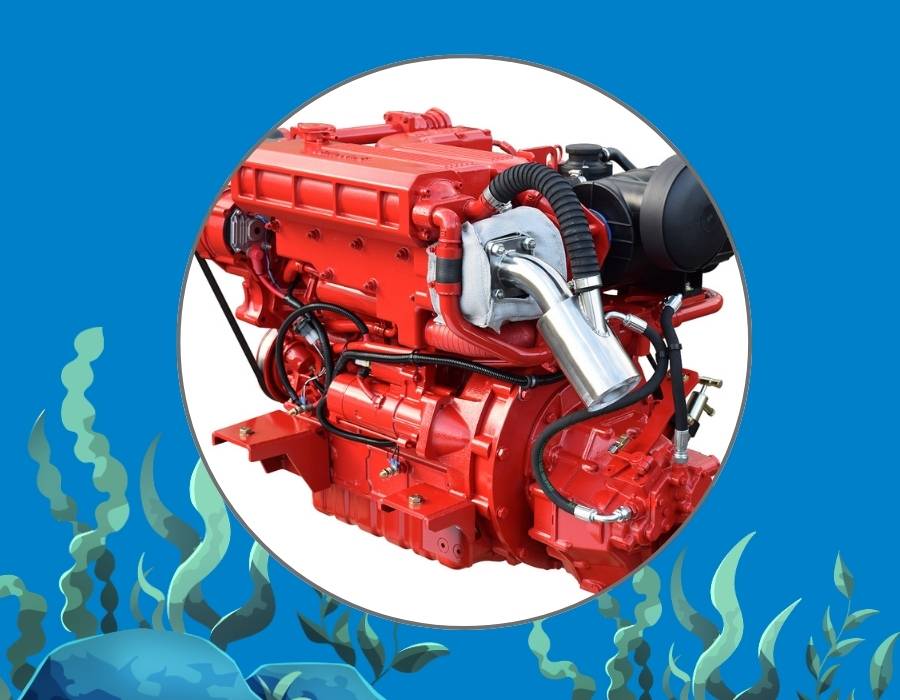
Marine Diesel Engine

Why Diesel Engine Spares Are a Supply Chain Priority

Marine diesel engines operate under extreme loads, long duty cycles and harsh environmental conditions. Components such as injectors, pistons, liners, turbocharger parts, pumps and cooling‑system elements must meet strict tolerances.

Organisations like the International Maritime Organisation and IACS set regulatory frameworks that influence emissions, safety and maintenance standards.

When spares are delayed, unavailable or non‑compliant, the operational impact is immediate. Offshore vessels lose charter time. Cargo vessels miss port windows. Fuel efficiency drops. Engine wear accelerates. The supply chain is not a background process. It is a core operational function.

How the Global Diesel Engine Spares Network Operates

The supply chain behind marine diesel engine spares is built on several interconnected layers.

  • OEM manufacturing centres in Europe and Asia
  • Certified distributors in major maritime hubs
  • Class‑approved workshops for reconditioning
  • Global logistics partners managing bonded storage
  • Technical service teams supporting installation and troubleshooting

High‑authority OEMs such as MAN Energy Solutions, Wärtsilä, Caterpillar Marine and Yanmar Marine anchor the supply chain with documented quality control and traceability. Their components move through certified channels to ensure compliance with class societies like Lloyd’s Register and Bureau Veritas Marine.

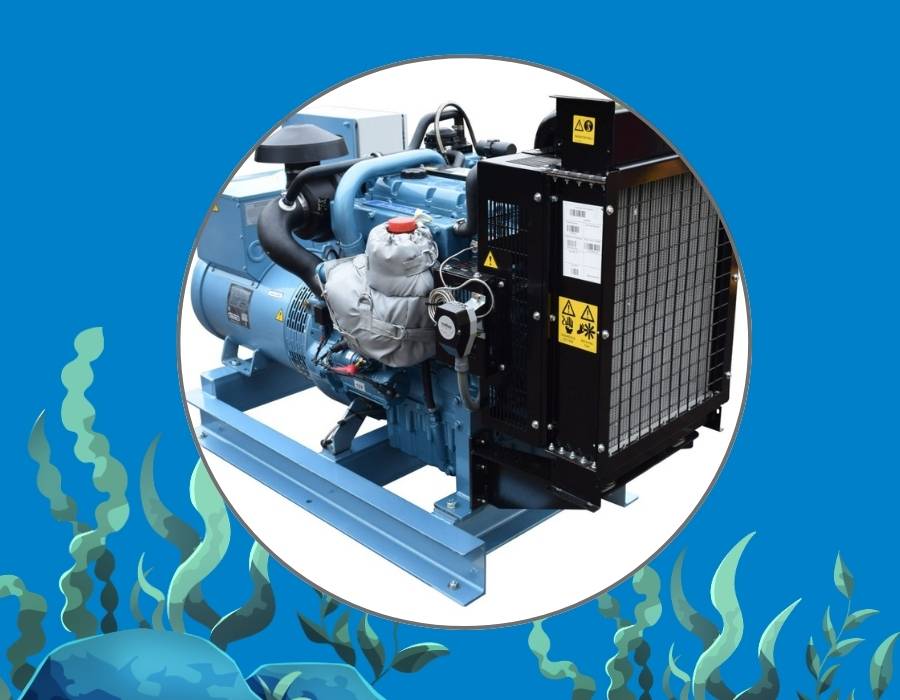
Marine Diesel Engine

Traceability, Certification and Compliance

Professionals in the offshore and commercial sectors know that documentation is as important as the part itself. Class societies require proof of origin, material certificates and service records. Without traceability, a spare part becomes a compliance risk. Reputable suppliers maintain digital tracking systems, serial‑number verification and OEM‑approved documentation. This protects operators during audits, PSC inspections and warranty claims.

Lead Times, Stockholding and Global Mobilisation

Marine diesel engine spares often need to reach vessels operating far from major ports.

Lead times depend on:

  • OEM production schedules
  • Regional stock availability
  • Customs clearance
  • Bonded warehouse access
  • Air‑freight capacity
  • Local agent performance

A single delay can disrupt an entire offshore campaign. This is why operators rely on suppliers with multi‑region stockholding, 24/7 mobilisation and strong logistics capability.

Logistics partners such as Kuehne+Nagel and DHL Global Forwarding play a major role in moving critical spares quickly.

Counterfeit Risk and the Need for Trusted Channels

Counterfeit diesel engine spares remain a documented threat. Reports from InterManager and IACS highlight the operational and safety risks associated with non‑genuine components.

A counterfeit injector or bearing can cause catastrophic engine failure. Trusted suppliers mitigate this risk through OEM partnerships, controlled distribution channels and strict quality assurance.

Marine Diesel Engine

Reconditioning and the Circular Supply Chain

Reconditioned diesel engine components are essential for cost control and operational continuity. Turbochargers, cylinder heads, fuel pumps and water‑cooled parts are routinely overhauled by class‑approved workshops. High‑DA technical authorities such as Kongsberg Maritime and Rolls‑Royce Marine publish guidelines on acceptable reconditioning standards. When done correctly, reconditioned parts meet OEM tolerances and extend asset life while supporting sustainability targets.

Digitalisation and Predictive Spare‑Part Planning

Digital fleet‑management systems are reshaping the diesel engine spares supply chain. Condition‑based monitoring, remote diagnostics and predictive maintenance tools from companies like ABB Marine & Ports and Wärtsilä Expert Insight allow operators to forecast spare‑part demand before failures occur. This reduces emergency orders, improves planning and lowers operational risk.

Why Supplier Selection Is a Strategic Decision

For marine professionals, choosing the right supplier is not a procurement task. It is a risk‑management decision.

The best suppliers offer:

  • OEM‑certified diesel engine spares
  • Global stock availability
  • 24/7 mobilisation
  • Class‑approved documentation
  • Technical support
  • Transparent traceability
  • Strong logistics capability

The Seaplant directory provides access to vetted suppliers who understand the demands of offshore and commercial marine operations.

Takeaway

The global supply chain behind marine diesel engine spares is a critical part of vessel reliability, operational safety and compliance.

Offshore and commercial operators depend on suppliers who deliver genuine parts, maintain the integrity of documentation, and mobilise quickly across regions.

As diesel engines evolve and regulatory pressure increases, the importance of a strong, trusted supply chain will only grow. For shipowners, fleet managers and technical teams, investing in reliable suppliers is essential to protecting assets, schedules and long‑term operational performance.

Liferafts International DiveCo Marine Civils Sealane Maritime Engineering
SubSalve USA Schwer Marine Fittings Hystat Hydraulic Cylinder Manufacturers BP Norse Marine Southbay Marine Services

Beyond the Bow: How Anchor Systems Support Modern Mooring Operations

Thursday, 2nd July 2026

Anchor systems remain one of the most critical components in offshore marine operations, even as vessels, projects and environmental demands continue to scale upward.

For professionals working offshore, anchors are not simply holding tools. They are engineered load‑management assets that influence station‑keeping performance, operational efficiency and overall project safety.

Modern mooring strategies rely on predictable anchor behaviour, accurate seabed interaction and equipment that performs consistently under dynamic loads.

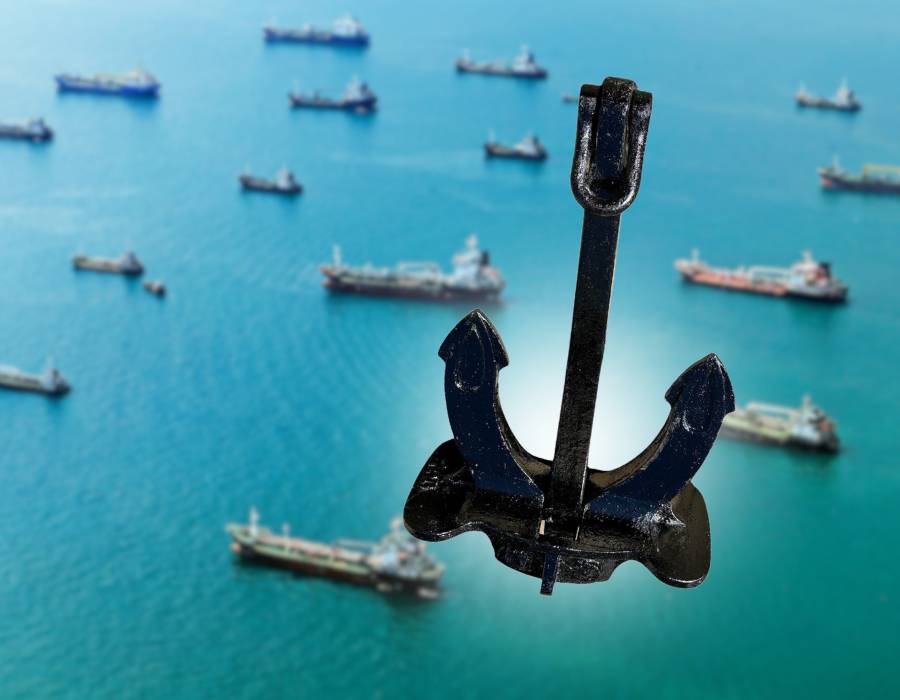
AC14 Anchor

Why Anchor Systems Still Define Operational Stability

In offshore construction, cable installation, dredging, geotechnical work and heavy‑lift operations, positional accuracy is non‑negotiable.

Thruster‑only station‑keeping increases fuel burn, accelerates equipment fatigue and introduces unnecessary risk. Anchors reduce these variables.

They stabilise barges during crane lifts, support hybrid DP setups, maintain heading during subsea operations and provide redundancy when environmental conditions shift.

For operators managing tight tolerances, the anchor spread is often the deciding factor between operational continuity and forced downtime.

Modern Anchor Designs for Demanding Seabeds

Today’s offshore environments require anchors that perform reliably across varied seabed conditions.

High‑holding‑power designs, optimised fluke geometry and improved penetration characteristics allow anchors to achieve secure embedment in mud, clay, sand and mixed seabeds.

Offshore professionals increasingly rely on high‑holding‑power anchors for marine construction spreads, while plough‑type anchors remain standard for long‑term mooring and cable‑related work.

Material improvements, including high‑grade steels and corrosion‑resistant coatings, extend service life and reduce inspection frequency.

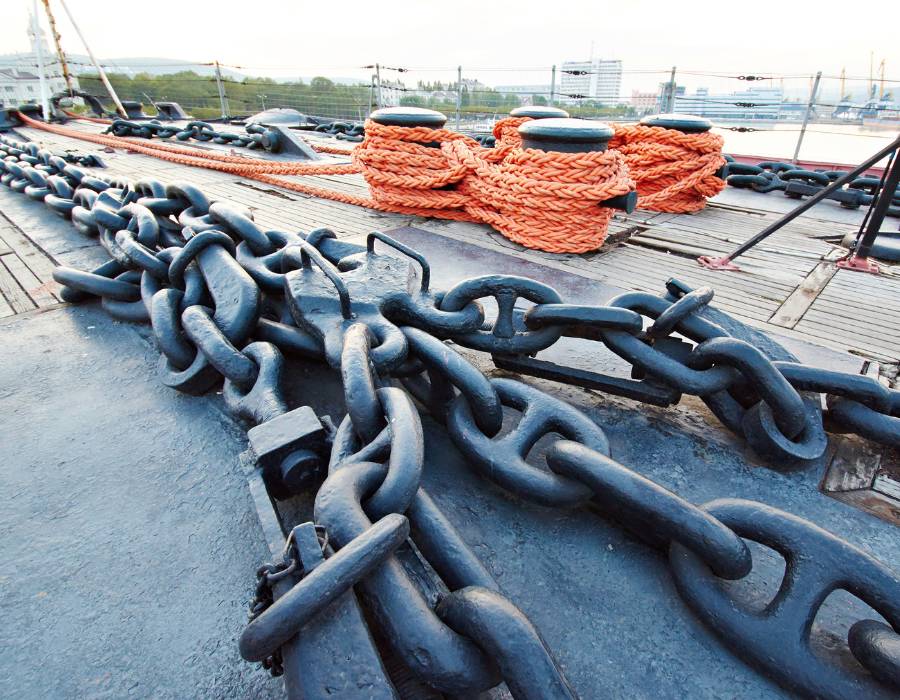
Anchor Chains

Chain, Connectors and Load Path Integrity

The anchor is only one part of the system. Chain grade, stud‑link configuration, connector selection and tension‑management hardware determine how the load is distributed.

Offshore teams routinely assess:

• Break load vs working load

• Corrosion rates in high‑salinity regions

• Fatigue behaviour under cyclic loading

• Compatibility with winches and fairleads

• Inspection intervals and NDT requirements

A well‑designed load path reduces shock loading, improves anchor set performance and ensures predictable behaviour during peak environmental forces.

Anchor Handling and Deployment Precision

Anchor handling remains a specialist discipline. AHVs, winch operators and deck crews must coordinate deployment angles, catenary profiles and tension levels with precision.

Poor deployment reduces holding power and increases drag risk. Offshore professionals rely on seabed survey data, real‑time tension monitoring and pre‑defined anchor patterns to ensure correct placement.

In offshore wind construction, for example, eight‑point mooring spreads are positioned with metre‑level accuracy to support heavy‑lift operations around foundations and transition pieces.

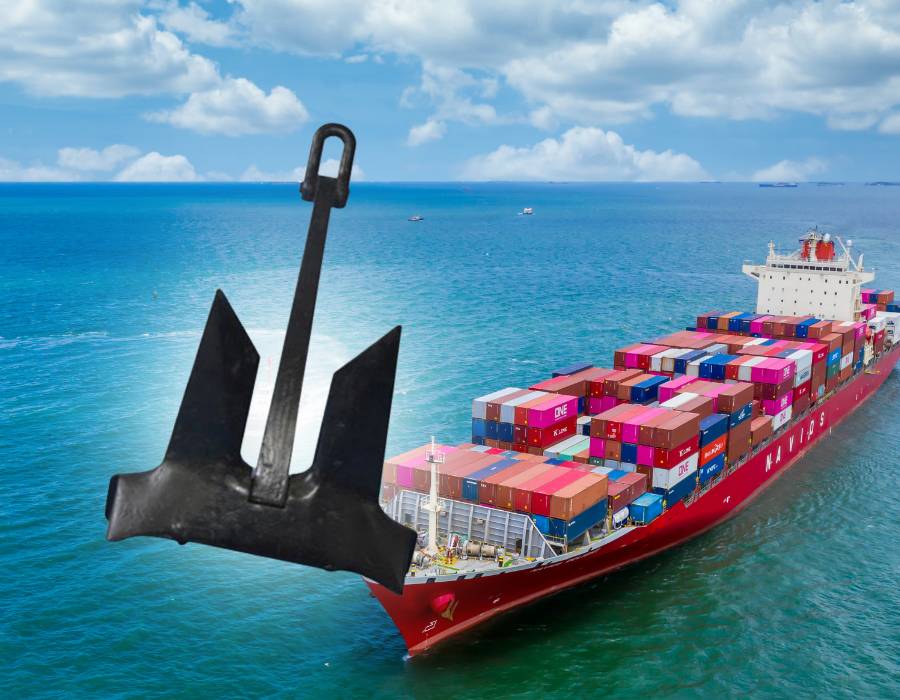
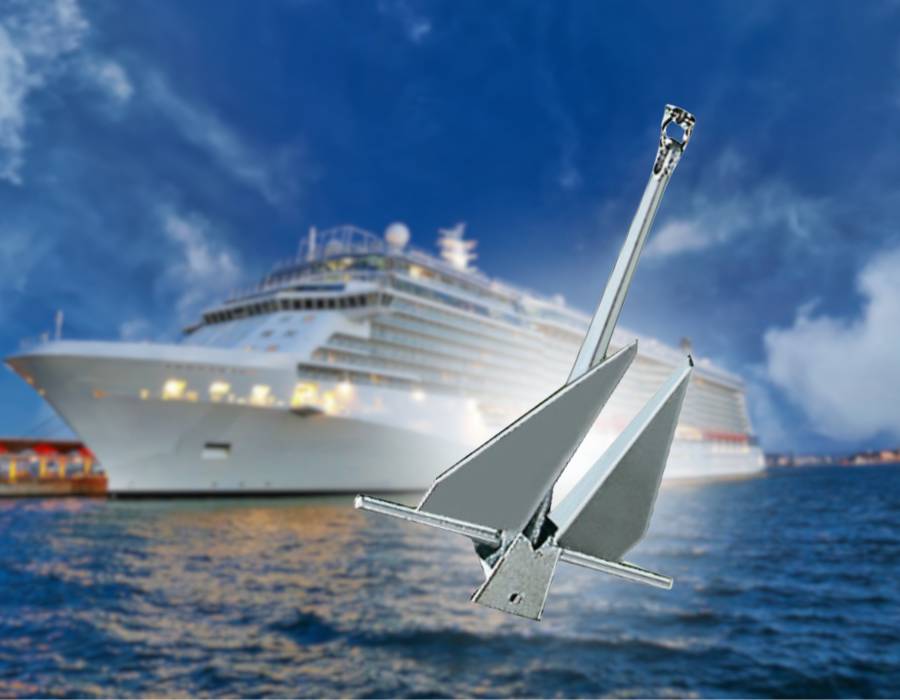
Cruise Ship Anchor

Operational Scenarios Where Anchors Are Critical

Offshore professionals encounter anchor‑dependent operations daily.

• Construction barges stabilised during monopile or jacket installation

• Cable‑laying vessels maintain straight‑line tension during burial

• Dredgers holding position during high‑load excavation

• Geotechnical vessels maintaining heading during coring operations

• Survey vessels requiring low‑drift positioning for long acquisition runs

• Floating assets using anchors as part of hybrid mooring or DP‑assist systems

Each scenario demands a tailored anchor spread, correct chain length and accurate tension management.

Seabed Interaction and Predictive Performance

Professionals understand that seabed variability is one of the biggest challenges in mooring. Modern operations rely on geophysical and geotechnical data to predict anchor penetration depth, holding capacity and breakout resistance.

Tools such as seabed surveys and soil sampling inform anchor selection and reduce the risk of drag events. Predictive models help operators plan anchor spreads that maintain integrity even under shifting environmental loads.

Inspection, Maintenance and Lifecycle Management

Anchor systems require structured lifecycle management.

Offshore teams routinely perform:

• Visual inspections for deformation or wear

• NDT on critical load‑bearing components

• Chain measurement and corrosion assessment

• Connector replacement based on fatigue cycles

• Load testing after refurbishment

A disciplined maintenance regime ensures anchors perform consistently across multiple campaigns and reduces the likelihood of unplanned recovery operations.

Why Supplier Selection Matters

Professionals know that anchor performance is directly tied to supplier capability. Reliable suppliers provide certified equipment, documented load ratings, traceable materials and support for installation planning.

The Seaplant directory offers access to trusted anchor and mooring specialists who understand offshore requirements and supply equipment suited to construction, wind, subsea and heavy‑lift operations.

In Conclusion

For offshore professionals, anchor systems are not basic hardware. They are engineered components that influence vessel stability, operational safety and project efficiency.

As offshore projects move into deeper water and harsher environments, the need for reliable anchor systems and knowledgeable suppliers becomes even more critical.

The right anchor spread, deployed correctly, remains one of the most dependable tools in modern marine operations.


Liferafts International DiveCo Marine Civils Sealane Maritime Engineering
Seaplant Marine & Offshore Magazine

Join us

Our commercial marine magazine is designed to provide the perfect place for buyers and sellers of marine equipment and services to find each other.  Provide us with your name and address to receive your copy every month and upload your details to our website to be part of the Seaplant marine Business Finder.

add your company