Seaplant’s Supplier Network Explained: Why Quality Matters in Marine Components
Thursday, 6th August 2026
Marine operations depend on components that perform reliably under heavy load, long duty cycles and harsh environmental conditions.
Marine components such as engines, hydraulics, mooring gear and propulsion systems must withstand vibration, corrosion, shock loading and continuous exposure to seawater.
When a single component fails, the impact is immediate: downtime increases, charter schedules slip, fuel consumption rises, and repair costs escalate.
Seaplant’s supplier network exists to prevent these failures by connecting operators with trusted manufacturers, certified distributors and specialist marine engineering companies who understand the demands of offshore and commercial shipping.
Why Component Quality Defines Operational Reliability
Marine components operate in conditions that push equipment to its limits. Engines run for thousands of hours between overhauls.
Hydraulic systems power cranes, winches and steering gear under constant pressure. Mooring equipment absorbs dynamic loads from waves, wind and vessel movement. Low‑quality components introduce risk at every stage.
A poorly machined injector can reduce engine efficiency. A substandard hydraulic hose can burst under pressure. An uncertified shackle can fail during a heavy‑lift operation.
Quality is not a luxury in the marine sector. It is a direct contributor to vessel safety, uptime and long‑term cost control.
How Seaplant’s Supplier Network Supports Marine Operators
Seaplant’s network brings together suppliers who specialise in critical marine components.
- Marine engines — OEMs and certified distributors supplying diesel engines, spares, turbochargers, fuel systems and cooling components. • Hydraulic systems — Suppliers of pumps, valves, hoses, cylinders and power‑pack assemblies for deck machinery and steering gear.
- Mooring gear — Providers of anchors, chain, shackles, tensioners, winches and load‑monitoring systems.
- Propulsion components — Specialists in propellers, shafts, seals and underwater repair services.
- Electrical and control systems — Companies supplying switchboards, sensors, automation equipment and monitoring systems.
Each supplier is selected for technical capability, product quality, certification standards and proven experience in marine environments.
Reducing Downtime Through Better Component Selection
Downtime is one of the most expensive risks in offshore and commercial operations.
High‑quality components reduce downtime by preventing failures before they occur.
- Engines — OEM‑certified injectors, pumps and turbocharger parts maintain fuel efficiency and reduce the risk of unplanned shutdowns.
- Hydraulics — High‑pressure hoses, corrosion‑resistant valves and precision‑machined cylinders prevent leaks and maintain consistent performance.
- Mooring gear — Certified shackles, high‑grade chain and engineered anchors reduce the risk of drag events and mooring failures.
- Propulsion systems — Balanced propellers, high‑quality seals and class‑approved shaft components reduce vibration and prevent water ingress. Choosing the right supplier ensures components meet class requirements, withstand environmental loads and integrate correctly with existing systems.
Cost Reduction Through Long‑Term Reliability
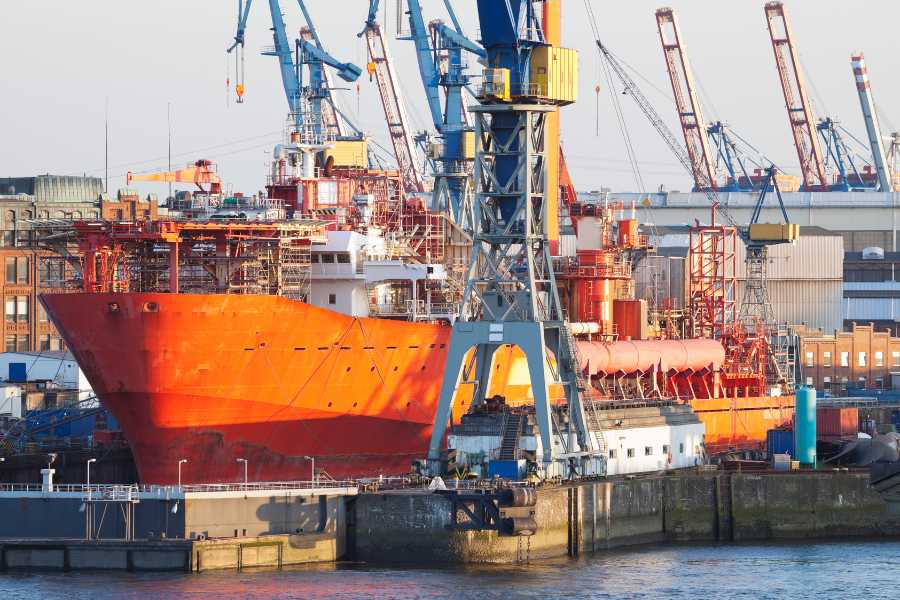
Marine operators often focus on upfront cost, but long‑term reliability delivers far greater savings.
High‑quality components reduce fuel consumption, extend service intervals and minimise emergency repairs.
- A well‑matched injector improves combustion efficiency.
- A corrosion‑resistant hydraulic valve reduces replacement frequency.
- A certified shackle prevents catastrophic mooring failure.
- A precision‑machined propeller reduces vibration and bearing wear.
These savings accumulate across the vessel’s lifecycle, reducing total cost of ownership and improving operational predictability.
Why Certification and Traceability Matter
Marine components must meet standards set by organisations such as DNV, Lloyd’s Register and Bureau Veritas.
Certification ensures materials, machining and performance meet industry requirements. Traceability protects operators during audits, inspections and warranty claims.
Seaplant’s suppliers provide documentation that verifies origin, material grade, testing results and compliance with class rules.
This reduces risk and ensures components can be installed without compromising vessel certification.
Supporting Offshore, Commercial and Marine‑Construction Sectors
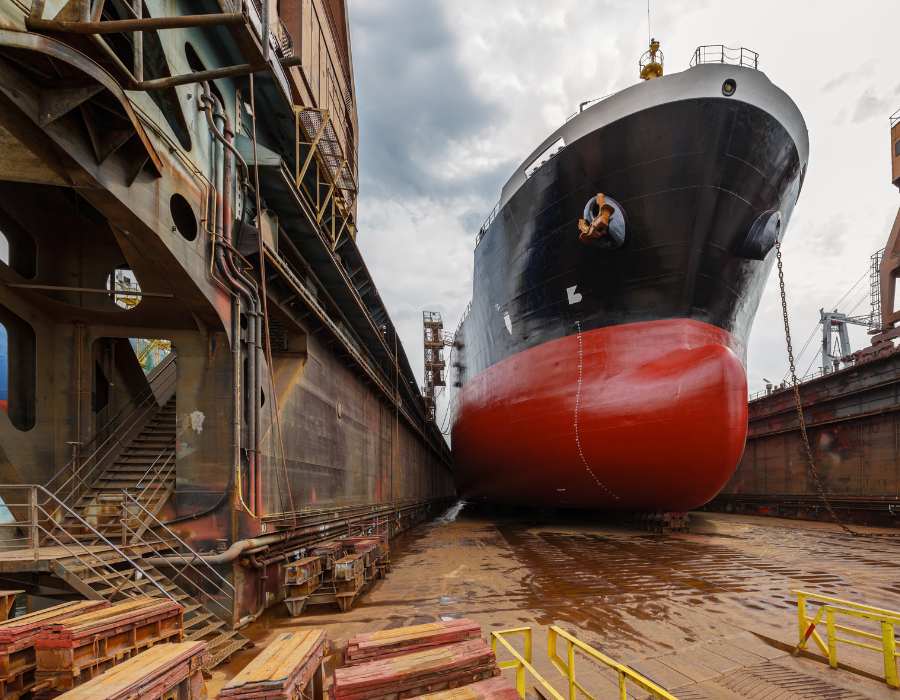
Seaplant’s supplier network supports a wide range of marine operations.
- Offshore energy — DP vessels, PSVs, construction ships and cable‑laying vessels rely on high‑quality engines, hydraulics and mooring gear.
- Commercial shipping — Tankers, bulk carriers, container ships and Ro‑Ro vessels depend on reliable propulsion and deck machinery.
- Marine construction — Barges, jack‑ups and workboats require robust hydraulic systems, anchors and structural components.
- Fishing and coastal fleets — Smaller vessels benefit from dependable engines, steering gear and deck equipment.
Each sector has unique operational demands, and Seaplant’s suppliers understand how to match components to vessel type, duty cycle and environmental conditions.
The Role of Preventive Maintenance and Spare‑Part Planning
High‑quality components support preventive maintenance strategies by providing predictable performance and longer service intervals.
Marine engineers can plan inspections, replacements and overhauls more accurately when components behave consistently.
- OEM‑certified engine spares support condition‑based monitoring.
- High‑grade hydraulic components reduce leak‑related downtime.
- Certified mooring gear supports long‑term load‑monitoring programmes.
Reliable components make maintenance more efficient and reduce the need for emergency interventions.
How Seaplant’s Network Helps Operators Make Better Decisions

Marine operators often face complex decisions when selecting components.
Seaplant’s supplier network simplifies this process by providing access to companies with proven capability, technical expertise and industry‑specific knowledge.
- Suppliers understand class requirements.
- They provide documentation and traceability.
- They offer technical support and installation guidance.
- They supply components designed for marine environments.
This reduces procurement risk and ensures operators receive equipment that performs reliably under real‑world conditions.
Takeaway
Quality in marine components is not optional. It is a direct contributor to vessel safety, operational uptime and long‑term cost control.
Engines, hydraulics, mooring gear and propulsion systems must be sourced from suppliers who understand the demands of offshore and commercial marine operations.
Seaplant’s supplier network connects operators with trusted companies who deliver certified, reliable and technically robust components.
By choosing the right suppliers, marine operators reduce downtime, lower costs and protect the long‑term performance of their vessels and equipment.
Join Us Today

If you operate within the offshore, marine, subsea or coastal‑engineering sectors and want your company positioned where the industry is actively searching for suppliers, joining the Seaplant Exchange directory is one of the most effective ways to increase your visibility. We are an influential and long‑established magazine and website dedicated to companies supplying offshore and marine equipment, services and specialist expertise.
Seaplant’s reach continues to grow every year. Our printed monthly magazine is delivered to 6,500 subscribers, while our digital audience now exceeds 20,000 active users. Combined with more than 250,000 annual website visits, Seaplant Exchange has become a trusted platform used by vessel operators, procurement teams, shipyards, engineering firms and marine contractors to source the products and services they need.
Your listing appears both in our high‑traffic online directory and in our respected printed magazine, ensuring consistent exposure across digital and physical channels. This dual presence places your business directly in front of the professionals who make offshore projects happen — the buyers, engineers and decision‑makers actively searching for reliable suppliers.
To join the network, simply contact us at info@seaplant.com or click this link to submit your details. If you want your company placed in front of the right audience — the professionals who make offshore projects happen — Seaplant is the place to be.