SubSalve USA Schwer Marine Fittings Hystat Hydraulic Cylinder Manufacturers BP Norse Marine Southbay Marine Services

Combifloat Acquires Australian Barge Hire

Monday, 23rd February 2026

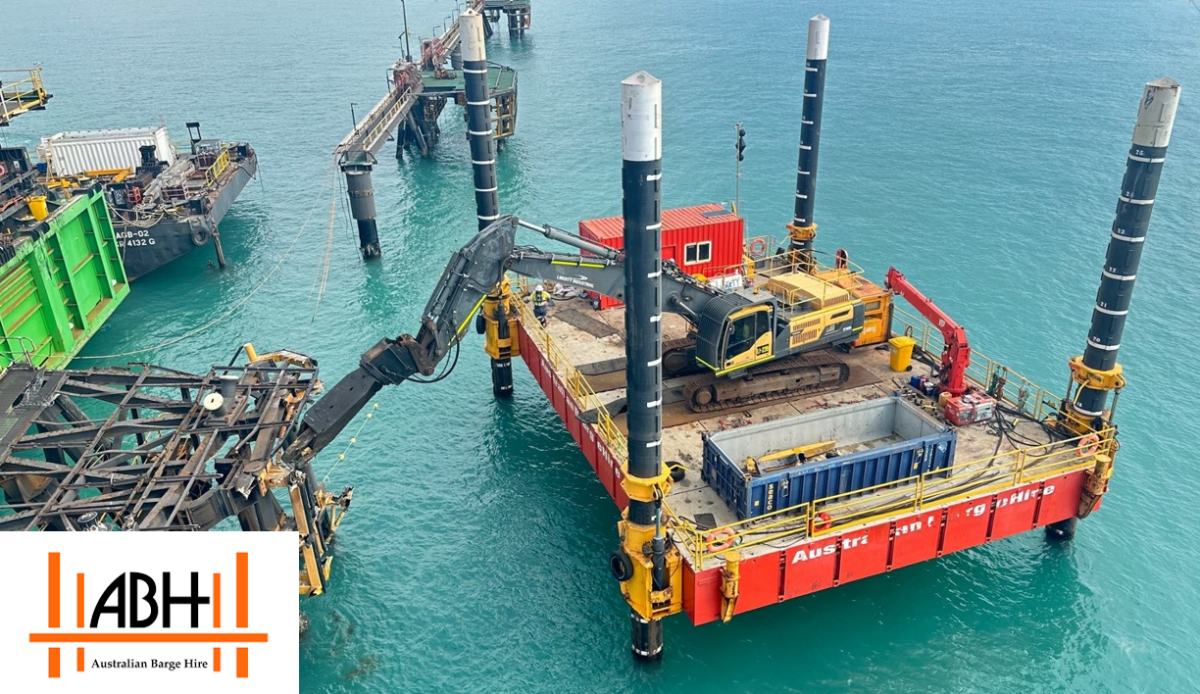
Combifloat Group, a global leader in modular marine equipment systems, has announced the acquisition of Australian Barge Hire (ABH), Australia’s leading provider of modular jack-up barges and overwater access solutions. The transaction significantly strengthens the Group’s presence in the Asia-Pacific region and enhances its ability to deliver integrated marine solutions worldwide.

By combining Combifloat’s engineering expertise in modular jack-up technology with ABH’s established Australian operations and client base, the Group is positioned to offer safer, more efficient, and higher-capacity marine platforms to contractors across marine construction, offshore renewables, and subsea oil & gas markets.

Strengthening the Australian Market

Over the past two decades, ABH has built a strong nationwide reputation as the market leader in sectional jack-up hire across Australia. Known for its adaptability and strong safety culture, ABH enables complex marine operations in challenging environments while meeting strict regulatory standards.

From 2026 onward, Combifloat-designed C5 and C7 platforms will be introduced to the Australian market. In addition, ABH will serve as a regional sales and service representative for selected Combifloat Group capabilities, including newbuild modular solutions and services from Oceanteam Solutions. This expanded offering will provide clients with access to a broader, fully integrated portfolio of marine access and logistics solutions.

A Strategic Step in Portfolio Development

The acquisition aligns with Combifloat Group’s long-term strategy of building a focused portfolio of specialised marine equipment businesses. While Combifloat remains the Group’s flagship brand for modular jack-up systems, the organisation has strategically expanded into complementary markets and geographies through targeted acquisitions and joint ventures.

In 2023, the Group entered the subsea cable logistics sector through the acquisition of Oceanteam Solutions, strengthening its integrated service offering in offshore renewables and subsea oil & gas. In 2025, it expanded into North America with the launch of Poseidon Jack Up, a Jones Act–compliant joint venture with Poseidon Barge, delivering modular jack-up solutions tailored to U.S. and Canadian marine contractors.

Leadership Perspectives

Ben Slater, Managing Director of Australian Barge Hire, commented: “With the support of the Combifloat Group, ABH can now introduce larger and more capable construction-sized modular floating and jack-up barges to the Australian and Asia-Pacific markets. We will continue operating as a marine hire business—business as usual—while expanding our ability to serve geotechnical clients and marine contractors requiring modular platforms for cranes, piling rigs, and dredging equipment.”

Jaap Jan Pietersen, CEO of Combifloat Group, added: “We are proud to welcome ABH into the Combifloat family. The company’s strong reputation and operational excellence make it an ideal platform for growth in the region. This acquisition further strengthens our ability to serve global markets with reliable, modular, high-performance marine equipment.”

About Combifloat Group

Combifloat Group is a global provider of modular marine equipment systems, operating a portfolio of specialised marine access and marine logistics businesses. Originating from its founding brand, Combifloat, the Group is recognised for its expertise in modular jack-up technology, engineering durability, versatility, and sustainability into its platforms.

Through continued acquisitions and partnerships, the Group has expanded its geographic reach and technical depth, serving clients in marine construction, offshore renewable energy, and subsea oil & gas markets worldwide.

About Australian Barge Hire

Australian Barge Hire (ABH), established in 2006, is Australia’s leading provider of modular jack-up barges and overwater access solutions. The company delivers safe and efficient platforms for marine construction, geotechnical drilling, and asset maintenance projects across diverse environments—from inland waterways to ports and nearshore coastal zones.

Associated Listing:
Liferafts International DiveCo Marine Civils Sealane Maritime Engineering
SubSalve USA Schwer Marine Fittings Hystat Hydraulic Cylinder Manufacturers BP Norse Marine Southbay Marine Services

Marine Plant Hire Charts a Greener Course

Tuesday, 17th February 2026

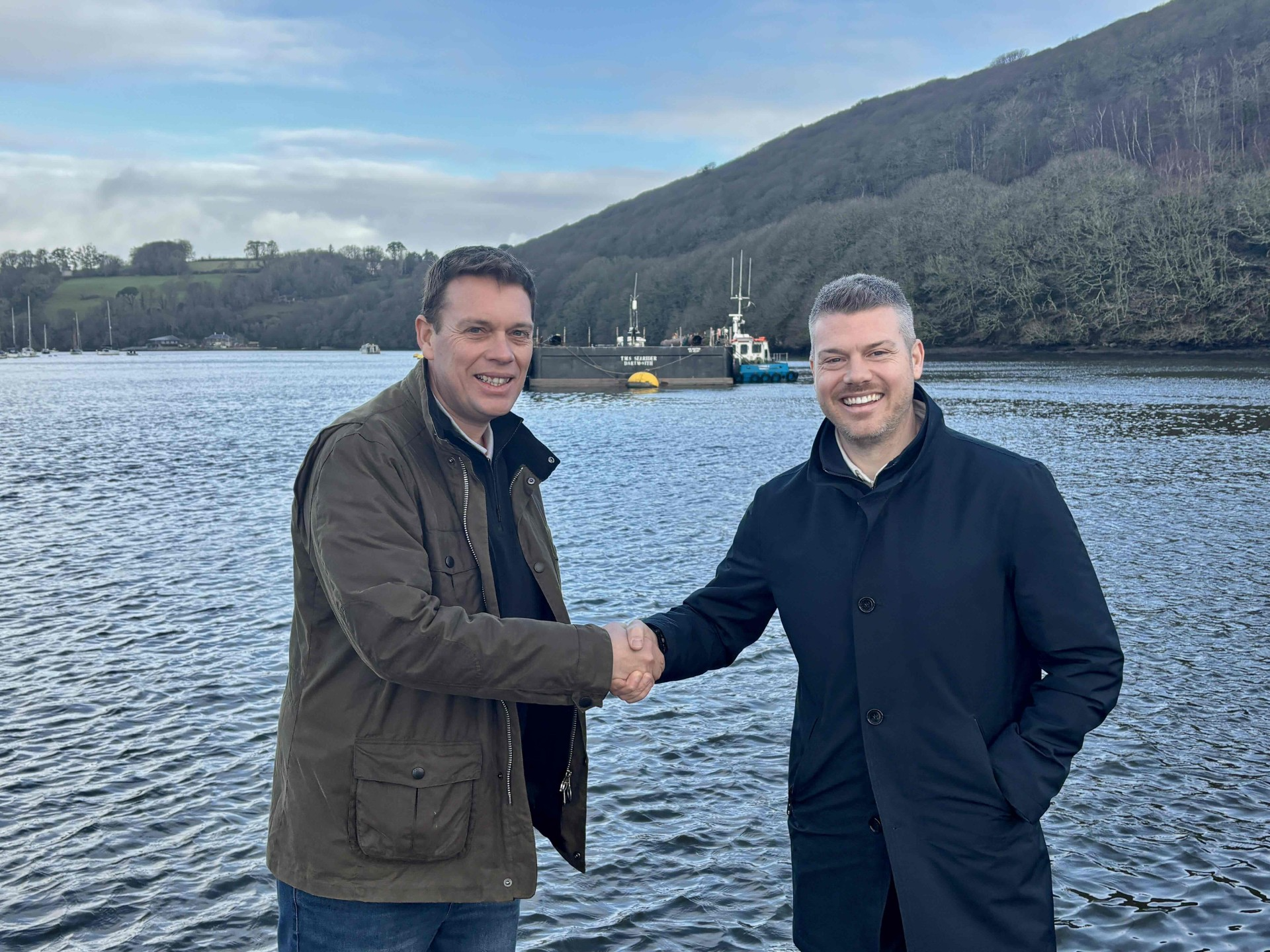
Marine Plant Hire (MPH), a leading UK provider of marine services and vessel hire, has become the first company in its sector to achieve carbon-neutral status for Scope 1 and Scope 2 emissions under the globally recognised Greenhouse Gas Protocol framework.

The milestone marks a significant moment for the marine industry. Marine Plant Hire, which supplies specialist marine plant and skilled operators to support major infrastructure projects across the UK and Europe, is now widely regarded as setting a new sustainability benchmark for the sector.

The achievement is expected to encourage other marine operators to accelerate their own environmental strategies, supporting the UK’s broader commitment to achieving net zero emissions by 2050.

To achieve carbon-neutral status for Scope 1 and 2 emissions, organisations must measure and offset all direct emissions from owned or controlled sources, as well as indirect emissions from purchased energy. MPH successfully offset 81 tonnes of carbon dioxide equivalent (tCO2e) through voluntary investment in verified carbon credits supporting the Bank Farm Regenerative Project — a UK-based sustainability initiative also backed by major brands including Waitrose & Partners, Lloyds Banking Group and NatWest.

Rich Eggleton, Managing Director at Marine Plant Hire, said:

“Achieving carbon-neutral status for our Scope 1 and 2 emissions represents a major milestone for our business and signals the direction marine plant hire must take. Heavy plant, barges and tugs are essential for delivering safe and efficient water-based infrastructure projects, but we are fully aware of the environmental responsibilities that come with that capability.

We’ve taken action now because raising standards matters — not only for our business, but for the waterways we work on every day and the clients who rely on us. This achievement gives our customers greater confidence in the environmental performance of the projects we help deliver.”

Ashley Webber, Director at Balanced Energy, the environmental consultancy that verified MPH’s carbon-neutral status, added:

“Achieving carbon-neutral status for Scope 1 and 2 emissions is a significant landmark and a strong statement of intent. MPH has taken a rigorous approach to measuring its environmental impact and acting on the emissions within its control. Just as importantly, this sets a new benchmark for the marine sector and demonstrates that credible, practical sustainability progress is entirely achievable.”

Associated Listing:
Liferafts International DiveCo Marine Civils Sealane Maritime Engineering
SubSalve USA Schwer Marine Fittings Hystat Hydraulic Cylinder Manufacturers BP Norse Marine Southbay Marine Services

Marine Auction (auction now closed)

Thursday, 12th February 2026

AUCTION NOW CLOSED

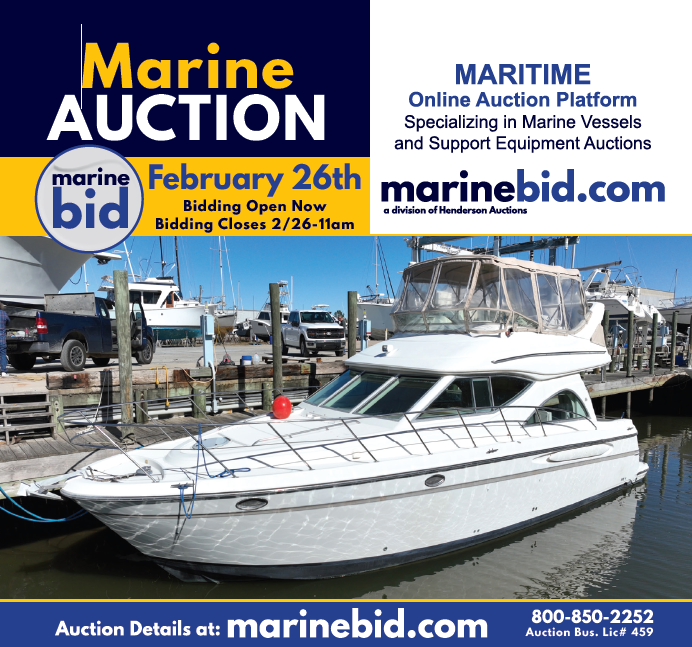
Maritime Online Auction Platform, specialising in marine vessels and support equipment.

www.marinebid.com

Associated Listing:
Liferafts International DiveCo Marine Civils Sealane Maritime Engineering
SubSalve USA Schwer Marine Fittings Hystat Hydraulic Cylinder Manufacturers BP Norse Marine Southbay Marine Services

From Concept to Quay: The Journey of Building a Bespoke Commercial Vessel

Monday, 9th February 2026

Every commercial vessel has a story. Long before it touches the water, before the engines roar to life or the first crew steps aboard, it begins as an idea—a response to a specific operational need.

Whether it’s a workboat, a survey craft, a tug or a specialist offshore support vessel, the journey from concept to quay is a fascinating blend of engineering, creativity and collaboration.

Designing and building a bespoke commercial vessel is not simply a construction project. It’s a lifecyce, a partnership and a technical evolution.

Each stage shapes the next, and every decision influences how the vessel will perform throughout its working life.

This is the story of how a vessel is born.

  1. Understanding the Mission: The Concept Phase

Every vessel begins with a purpose.

A client approaches a naval architect or shipyard with a set of operational requirements. These might include:

  • The type of work the vessel must perform
  • Cargo or passenger capacity
  • Speed, range and endurance
  • Operating environment and sea conditions
  • Regulatory and class requirements
  • Budget and delivery timeline

This early stage is all about clarity. Designers and operators work together to define the vessel’s mission profile. A survey boat will need stability and precision. A tug requires power and manoeuvrability. A crew transfer vessel demands comfort, safety and speed.

Once the mission is understood, the design team begins shaping the vessel’s identity.

  1. Early Design: Turning Ideas into Form

Marine Engineers Shipbuilders

With the operational brief in hand, naval architects begin sketching out the vessel’s initial form.

This includes:

  • Hull shape and dimensions
  • Deck layout
  • Machinery placement
  • Structural framework
  • Preliminary weight estimates
  • Stability calculations

Modern design tools allow teams to model hull performance, fuel efficiency and seakeeping behaviour long before steel is cut. Computational fluid dynamics (CFD) simulations help refine the hull, ensuring the vessel performs efficiently in real‑world conditions.

At this stage, the vessel begins to take shape—not yet detailed, but recognisable.

  1. Detailed Engineering: The Blueprint of a Vessel

Once the concept is approved, the project moves into detailed design. This is where the vessel becomes real on paper.

Engineers produce:

  • Structural drawings
  • Electrical and hydraulic schematics
  • Machinery integration plans
  • Safety and fire‑control layouts
  • Accommodation and interior arrangements
  • Class‑compliant documentation

Every cable, pipe, weld and bracket is specified. The design must meet strict standards set by classification societies and maritime authorities.

This stage is meticulous, technical and essential. A well‑engineered vessel is safer, easier to maintain and more efficient throughout its life.

  1. Procurement and Planning: Preparing for Construction

Before construction begins, the shipyard coordinates materials, equipment and subcontractors.

This includes:

  • Steel and aluminium supply
  • Engines, generators and propulsion systems
  • Navigation and communication equipment
  • Deck machinery and cranes
  • Interior fittings and furnishings

Lead times can be long, especially for specialist components. Effective planning ensures the build progresses smoothly without delays.

The shipyard also finalises the construction schedule, workforce allocation and quality‑control procedures.

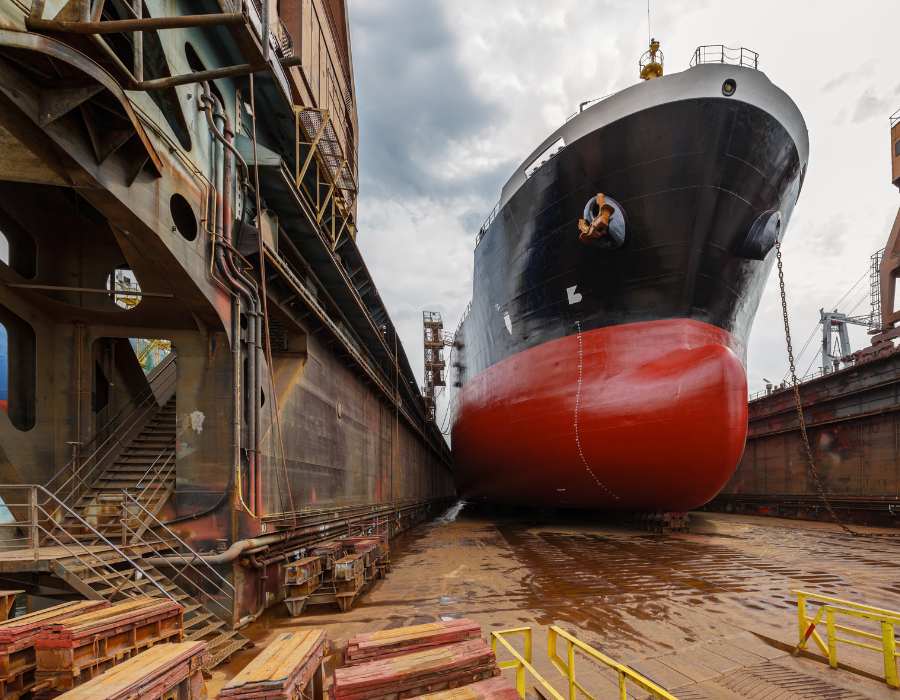
  1. Steel Cutting and Keel Laying: The Build Begins

Ship Steel Cutters

The moment the first steel plate is cut marks the official start of construction.

Sections of the hull are fabricated in blocks—large, pre‑assembled units that are later joined together. This modular approach improves accuracy and efficiency.

Keel laying, a traditional milestone, symbolises the vessel’s birth. From here, the hull grows rapidly as blocks are welded into place, forming the vessel’s structure.

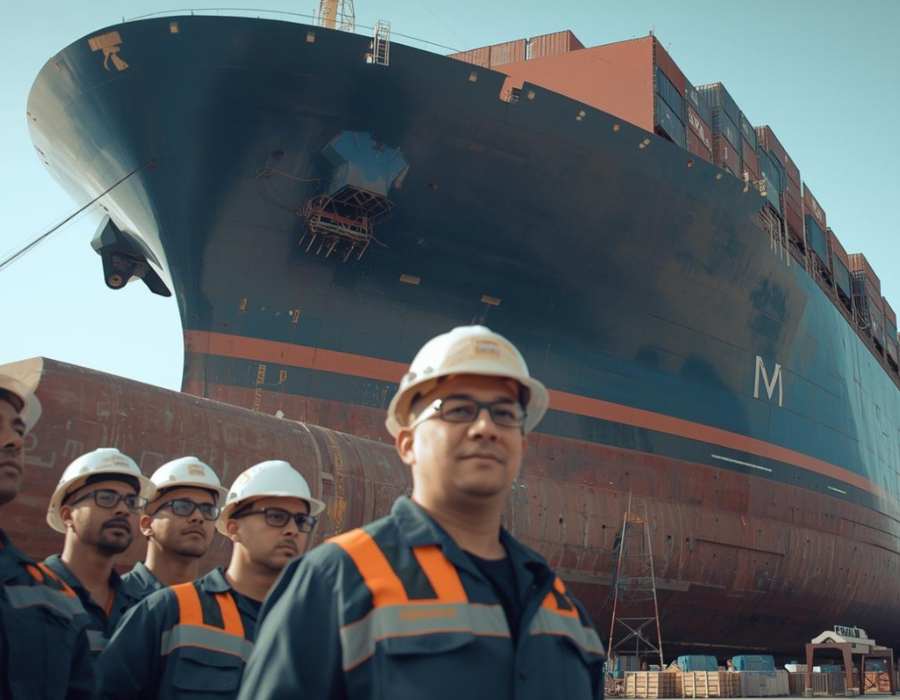
  1. Outfitting: Bringing the Vessel to Life

Vessel Outfitters

Once the hull is complete, the vessel enters the outfitting phase. This is where it transforms from a steel shell into a working ship.

Outfitting includes:

  • Installing engines, generators and propulsion systems
  • Fitting electrical, hydraulic and fuel systems
  • Mounting navigation and communication equipment
  • Building accommodation spaces
  • Installing deck machinery and safety equipment
  • Painting and corrosion protection

This phase is complex and highly coordinated. Multiple teams work simultaneously, each contributing to the vessel’s functionality and character.

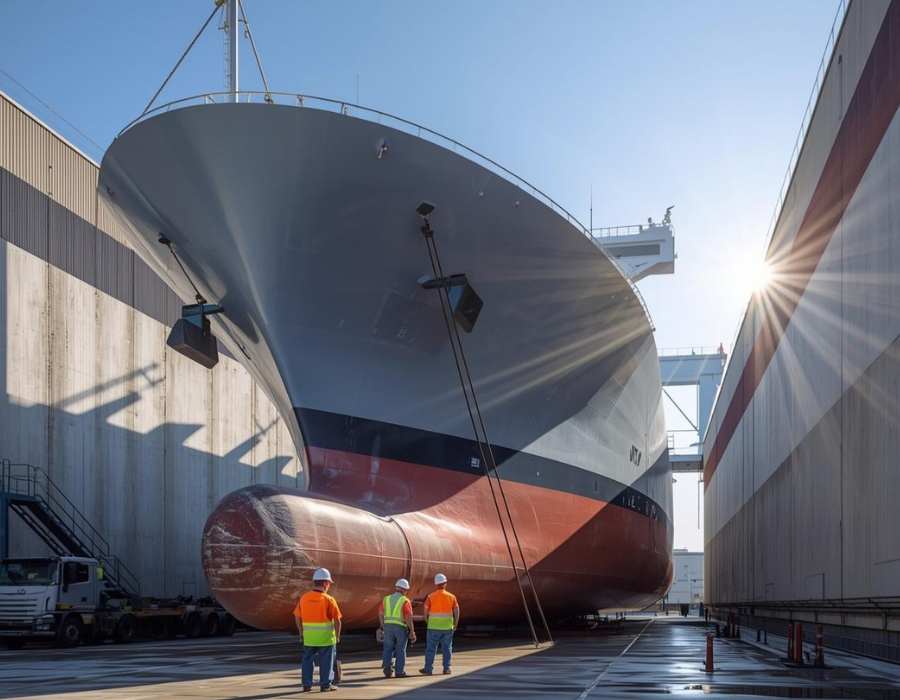
  1. Launch: A Major Milestone

Cargo Ship Launch

Launching a vessel is one of the most exciting moments in the build process.

Depending on the shipyard, the vessel may be:

  • Rolled onto a slipway
  • Lowered by a syncrolift
  • Floated out of a dry dock

For the first time, the vessel meets the water. It’s a moment of pride for designers, builders and owners alike.

But the journey is far from over.

  1. Harbour Trials: Testing the Basics

Once afloat, the vessel undergoes harbour trials to test its core systems.

These tests include:

  • Power generation
  • Electrical systems
  • Steering and propulsion
  • Safety equipment
  • Navigation electronics
  • Fuel and ballast systems

Any issues are corrected before the vessel proceeds to sea trials.

  1. Sea Trials: Proving Performance

Sea trials are the ultimate test of a vessel’s design and construction.

During this phase, the vessel is taken offshore to evaluate:

  • Speed and fuel consumption
  • Manoeuvrability
  • Seakeeping and stability
  • Emergency systems
  • Noise and vibration levels
  • Endurance and operational capability

Representatives from the shipyard, classification society and the client all participate. Only when the vessel meets every requirement is it approved for delivery.

  1. Delivery and Handover: A New Beginning

After successful trials, the vessel is officially handed over to the owner.

This includes:

  • Documentation and certification
  • Crew training
  • Spare parts and maintenance manuals
  • Warranty agreements

The vessel is now ready to begin its working life—whether that means supporting offshore wind farms, towing barges, transporting crew or conducting surveys.

For the shipyard, it’s the end of a long journey. For the vessel, it’s just the beginning.

  1. The Lifecycle Continues: Maintenance and Upgrades

A bespoke commercial vessel is built to last, but it requires ongoing care.

Throughout its life, it will undergo:

  • Routine maintenance
  • Dry‑dock inspections
  • Machinery overhauls
  • Safety upgrades
  • Modernisation and refits

A well‑designed vessel can serve for decades, adapting to new technologies and evolving operational needs.

Conclusion: Crafting a Vessel with Purpose

The journey from concept to quay is a remarkable blend of engineering, craftsmanship and collaboration. Every bespoke commercial vessel is a testament to the skill of naval architects, shipbuilders and marine engineers who bring it to life.

From the first sketch to the final sea trial, each stage shapes a vessel that is uniquely suited to its mission. And once it enters service, it becomes part of the maritime landscape—working, supporting and enabling industries across the world.

A bespoke vessel is more than steel and machinery. It’s a purpose‑built solution, a floating tool and a symbol of innovation in the marine industry.

Liferafts International DiveCo Marine Civils Sealane Maritime Engineering
SubSalve USA Schwer Marine Fittings Hystat Hydraulic Cylinder Manufacturers BP Norse Marine Southbay Marine Services

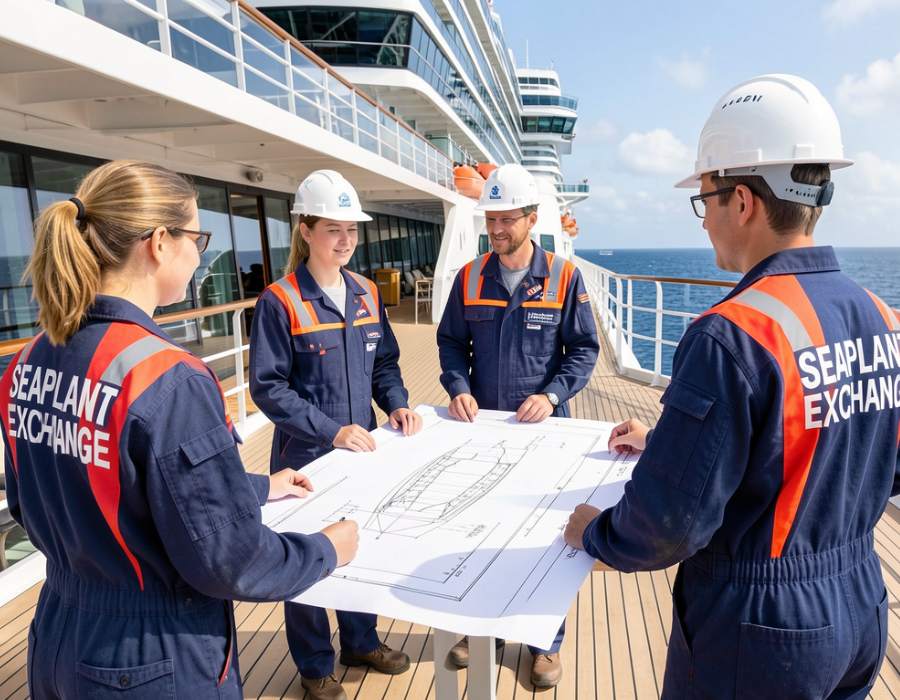
How to Choose the Right Marine Engineering Partner

Monday, 9th February 2026

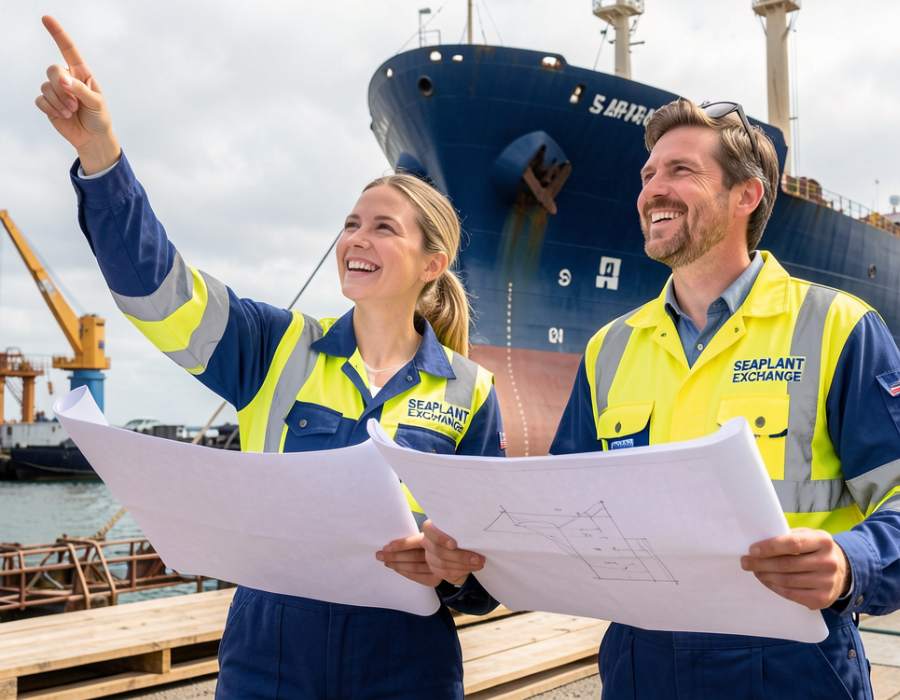
Choosing the right marine engineering partner can make or break an offshore or vessel project. Whether you’re commissioning a new workboat, upgrading onboard systems or planning a complex coastal construction operation, the engineering firm you select will shape the project’s safety, performance and long‑term value.

With so many companies offering marine engineering services, it can be difficult to know where to begin. That’s where resources like Seaplant’s Business Finder become invaluable. It brings together trusted marine specialists, allowing you to compare capabilities, experience and expertise in one place.

Here’s how to evaluate marine engineering firms effectively—and how to use directories like Seaplant’s to make confident, informed decisions.

Marine Engineers

  1. Start with Capabilities: Can They Do What You Need?

Every marine engineering project is unique. Before approaching any firm, define your requirements clearly.

Consider:

  • Vessel type or project scope
  • Required engineering disciplines (mechanical, electrical, structural, naval architecture)
  • Expected operating environment
  • Compliance and certification needs
  • Budget and timeline

Once you know what you need, look for firms with proven capability in that specific area. A company that excels in fishing vessel refits may not be the right choice for offshore wind support vessels. Likewise, a general engineering firm may lack the specialist knowledge required for class‑approved modifications.

Seaplant’s directory allows you to filter companies by service type, making it easier to find firms with the right technical strengths.

  1. Check Certifications and Compliance Expertise

Marine engineering is a highly regulated field. The right partner must understand—and be certified to work within—the relevant standards.

Key certifications and approvals may include:

  • Classification society approvals (Lloyd’s Register, DNV, Bureau Veritas, ABS)
  • ISO quality management systems
  • Welding and fabrication certifications
  • Electrical and safety compliance qualifications
  • Environmental and sustainability standards

A reputable engineering firm will be transparent about its certifications and happy to provide documentation. If a company is vague or evasive, treat it as a red flag.

Marine Engineering Asia

  1. Review Previous Builds and Case Studies

Past performance is one of the strongest indicators of future reliability.

Look for:

  • Completed vessel builds
  • Major refits or conversions
  • Offshore engineering projects
  • Specialist installations (hybrid propulsion, DP systems, deck machinery, etc.)
  • Client testimonials

A strong engineering partner will showcase its work proudly. Case studies reveal not only technical capability but also how the company handles challenges, deadlines and communication.

Seaplant’s Business Finder often links directly to company websites, making it easy to explore portfolios and past projects.

  1. Assess Technical Depth and In‑House Expertise

Marine engineering is rarely a one‑discipline job. The best firms offer integrated expertise across multiple areas.

Ask about:

  • In‑house design teams
  • Naval architects and structural engineers
  • Electrical and automation specialists
  • Fabrication and machining facilities
  • Project management capability

A company with a broad in‑house team can deliver smoother workflows, fewer delays and better quality control. Outsourcing isn’t necessarily a problem, but it should be managed transparently.

  1. Evaluate Their Approach to Innovation

The marine industry is evolving rapidly. Hybrid propulsion, digital monitoring, lightweight materials and advanced safety systems are becoming standard.

A forward‑thinking engineering partner should be:

  • Familiar with modern propulsion technologies
  • Comfortable integrating digital systems
  • Experienced with energy‑efficient solutions
  • Up‑to‑date with emerging regulations
  • Willing to propose improvements, not just follow instructions

Innovation doesn’t mean unnecessary complexity—it means smarter, safer and more efficient solutions.

  1. Consider Their Understanding of Your Sector

Marine Engineers

Marine engineering is broad. A firm that specialises in aquaculture vessels may not be the best fit for offshore wind. A company focused on port infrastructure may not understand the demands of high‑speed crew transfer vessels.

Look for sector‑specific experience in areas such as:

  • Offshore wind
  • Oil and gas
  • Workboats and utility craft
  • Survey and research vessels
  • Tugs and towage
  • Dredging and coastal construction
  • Passenger ferries

Sector familiarity means fewer misunderstandings, better design decisions and a smoother project overall.

  1. Check Their Facilities and Build Capacity

A firm’s physical capabilities matter just as much as its technical expertise.

Important factors include:

  • Workshop size and equipment
  • Lifting and cranage capacity
  • Dry‑dock or slipway access
  • Welding and fabrication facilities
  • Storage and logistics capability

A company with limited facilities may struggle with large or complex projects, leading to delays or quality issues.

  1. Look for Strong Communication and Project Management

Engineering excellence is only half the story. The best marine engineering partners communicate clearly, plan effectively and keep clients informed.

Signs of strong project management include:

  • Clear timelines and milestones
  • Transparent pricing
  • Regular progress updates
  • Dedicated project managers
  • Documented quality‑control processes

Good communication builds trust and ensures the project stays on track.

  1. Compare Quotes—But Don’t Choose on Price Alone

Marine engineering is a specialist field, and quality comes at a cost. While it’s important to stay within budget, the cheapest option is rarely the best.

When comparing quotes, consider:

  • Scope of work
  • Materials and equipment quality
  • Warranty terms
  • After‑sales support
  • Delivery timescales

A slightly higher upfront cost can save significant money over the vessel’s lifetime.

  1. Use Seaplant’s Directory to Shortlist Trusted Partners

The Seaplant Business Finder  is a valuable tool for identifying reputable marine engineering firms.

It allows you to:

  • Search by service type
  • Filter by location
  • Explore company profiles
  • Access contact details
  • Compare multiple providers quickly

Instead of searching blindly, you can build a shortlist of trusted, established companies with proven marine expertise.

Conclusion: Choose a Partner Who Understands Your Vision

Selecting the right marine engineering partner is one of the most important decisions you’ll make in any offshore or vessel project. The right firm will bring technical excellence, sector knowledge and a collaborative approach that supports your goals from concept to completion.

By evaluating capabilities, certifications, past work and communication style—and by using trusted directories like Seaplant’s—you can choose a partner who delivers quality, reliability and long‑term value.

A great engineering partner doesn’t just build or repair vessels. They help you operate safely, efficiently and confidently in one of the world’s most demanding environments.


Liferafts International DiveCo Marine Civils Sealane Maritime Engineering
SubSalve USA Schwer Marine Fittings Hystat Hydraulic Cylinder Manufacturers BP Norse Marine Southbay Marine Services

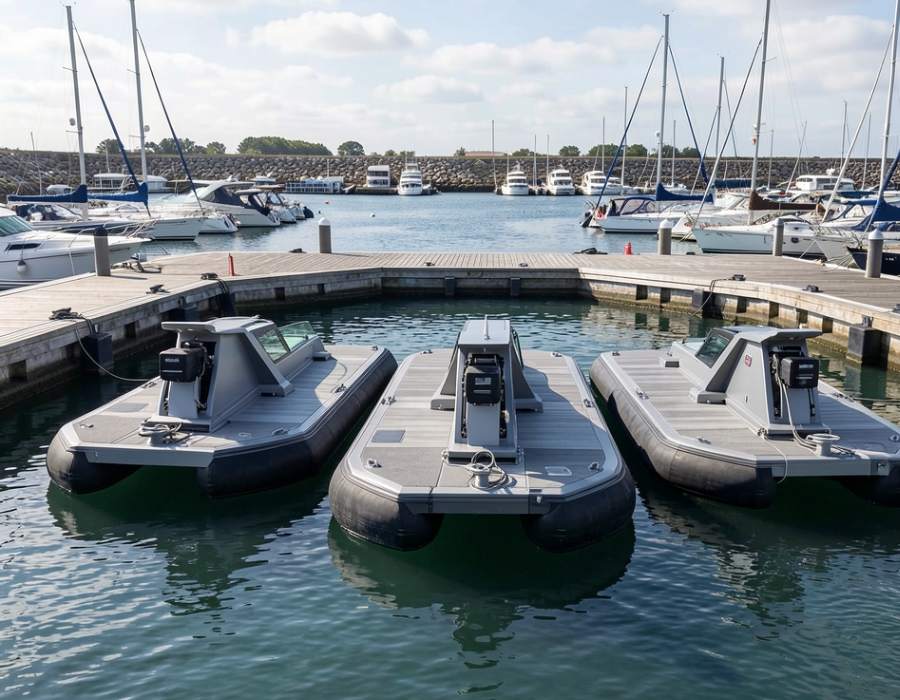
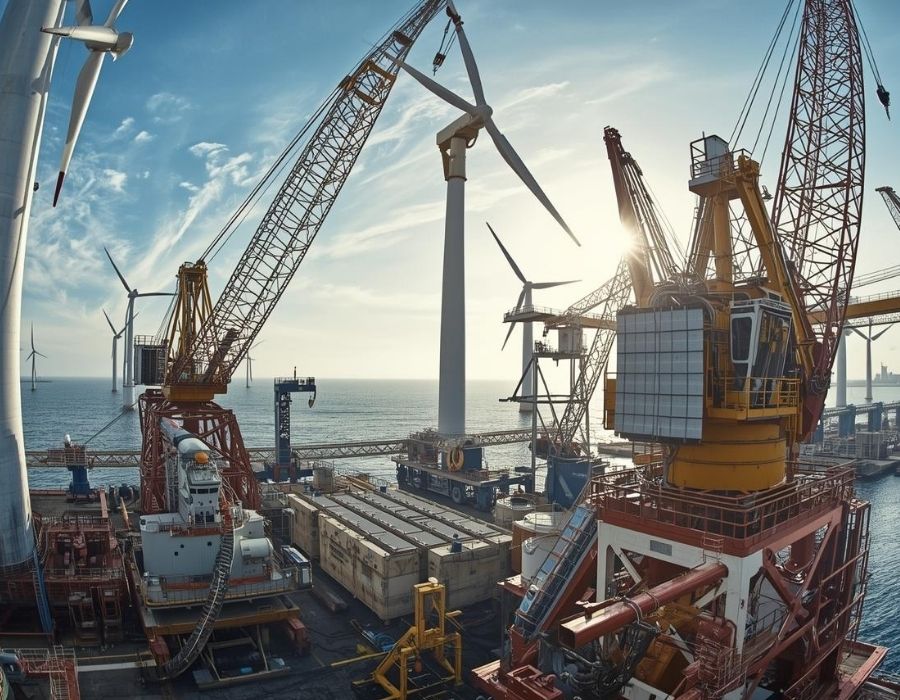
Floating Powerhouses: How Pontoons Are Supporting the Offshore Energy Boom

Monday, 9th February 2026

The offshore energy sector is expanding at a remarkable pace. Offshore wind farms are growing in scale, subsea infrastructure is becoming more complex and coastal construction is pushing into environments that demand flexible, reliable support platforms.

Behind much of this progress is a class of floating structures that rarely receive the recognition they deserve: pontoons.

Far from being simple steel boxes, modern pontoons are highly engineered, incredibly adaptable and essential to almost every stage of offshore development. They are the quiet workhorses that make the offshore energy boom possible.

The Engineering Behind Modern Pontoons

Marina Ballast Pontoons

At first glance, a pontoon looks straightforward — a floating platform with a flat deck. But beneath that simplicity lies sophisticated engineering.

Pontoons are typically built from high‑grade marine steel and divided into multiple watertight compartments. This ensures buoyancy and stability even if one section becomes damaged.

Internal bulkheads distribute loads evenly, allowing pontoons to carry enormous weights such as monopiles, transformers, drilling rigs or cable reels. Engineers calculate buoyancy, trim and deck strength with precision to ensure safe operation in waves, wind and tidal currents.

Many pontoons also feature:

  • Ballast systems to adjust stability and trim
  • Spud legs for temporary seabed anchoring
  • Reinforced crane pads for heavy lifting
  • Modular connection points allowing multiple pontoons to be joined

This combination of strength, stability and adaptability is what makes pontoons indispensable across offshore industries.

Pontoons in Offshore Wind: Quiet Enablers of a Global Boom

Wind Farm Heavy Lifting

Offshore wind has become one of the biggest drivers of pontoon demand.

As turbines grow taller and components heavier, the need for stable floating platforms has increased dramatically.

Pontoons support offshore wind projects at every stage:

  1. Early‑stage surveys

Before construction begins, geotechnical teams use pontoons as stable platforms for drilling, sampling and seabed analysis.

  1. Component transport

Pontoons move oversized items such as transition pieces, cable drums and foundation elements between ports, fabrication yards and installation sites.

  1. Floating crane operations

In areas where land‑based cranes cannot reach, pontoons fitted with heavy‑lift cranes enable offshore assembly and lifting.

  1. Cable‑laying support

Cable storage, spooling and deployment equipment can be mounted on pontoons, providing a flexible base for nearshore cable installation.

  1. Maintenance and repair

Even after a wind farm is operational, pontoons continue to support inspection teams, replacement parts and temporary work platforms.

Without pontoons, many offshore wind projects simply could not be built.

Supporting Oil, Gas and Subsea Infrastructure

Modular Pontoons

While offshore wind is booming, pontoons remain vital in oil and gas operations.

They are used to transport large subsea structures, risers, manifolds and pipeline sections. Their shallow draft allows them to operate in areas where larger vessels cannot manoeuvre.

In subsea construction, pontoons serve as floating bases for:

  • ROV operations
  • Diving support
  • Equipment deployment
  • Temporary storage and staging

During decommissioning, pontoons provide stable platforms for cutting equipment, lifting systems and waste containers. Their versatility makes them ideal for dismantling ageing offshore assets safely and efficiently.

Customisation: The Secret to Pontoon Versatility

One of the greatest strengths of modern pontoons is how easily they can be customised.

Every offshore project is different, and pontoons can be adapted to suit almost any requirement.

Customisable features include:

  • Deck layouts tailored for cranes, cable reels, drilling rigs or storage
  • Accommodation modules for crew and technicians
  • Power systems including generators, hybrid units or solar support
  • Winches, A‑frames and hydraulic systems for specialist tasks
  • Fendering and mooring arrangements for safe operations alongside vessels or structures
  • Modular expansion, allowing multiple pontoons to be connected

This adaptability means a single pontoon can serve multiple roles across its lifetime, offering excellent value for operators.

Why Pontoons Are So Valuable to Offshore Operators

Pontoons offer a unique combination of benefits that few other offshore assets can match.

Cost‑effective

Compared to specialised vessels, pontoons are inexpensive to build, operate and maintain.

Highly adaptable

They can be reconfigured for different tasks, making them ideal for multi‑phase projects.

Easy to mobilise

Pontoons can be towed by small tugs, reducing mobilisation costs and allowing access to shallow or restricted areas.

Large working areas

Their open decks provide generous space for equipment, storage and operations.

Stable and safe

With the right ballast and mooring systems, pontoons offer a secure platform for heavy lifting and precision work.

These advantages make them essential across offshore wind, oil and gas, aquaculture, coastal construction and port operations.

The Future of Pontoon Technology

As offshore energy continues to expand, pontoons are evolving to meet new challenges.

Self‑propelled pontoons

These combine the simplicity of a barge with the manoeuvrability of a vessel, reducing reliance on tugs.

Automation and remote monitoring

Sensors and digital systems improve safety, track performance and support predictive maintenance.

Stronger, lighter materials

New steel grades and composite structures are increasing payload capacity without increasing draft.

Low‑emission power systems

Hybrid generators, battery packs and renewable‑assisted systems are becoming more common as operators push for greener operations.

Larger modular platforms

Floating wind, deep‑water infrastructure and large‑scale offshore construction are driving demand for bigger, more capable modular pontoons.

The next generation of pontoons will be smarter, greener and even more versatile.

Conclusion: The Floating Foundations of Offshore Progress

Pontoons may not be glamorous, but they are essential. They are the floating powerhouses that make offshore construction, transport and maintenance possible.

Their engineering is sophisticated, their uses are diverse and their ability to be customised makes them one of the most valuable assets in the marine industry.

As offshore energy continues to grow, pontoons will remain at the heart of the action — supporting the heavy lifting, the precision work and the logistical challenges that define this fast‑moving sector.

They may not always be in the spotlight, but without them, the offshore energy boom simply wouldn’t float.


Liferafts International DiveCo Marine Civils Sealane Maritime Engineering
Seaplant Marine & Offshore Magazine

Join us

Our commercial marine magazine is designed to provide the perfect place for buyers and sellers of marine equipment and services to find each other.  Provide us with your name and address to receive your copy every month and upload your details to our website to be part of the Seaplant marine Business Finder.

add your company