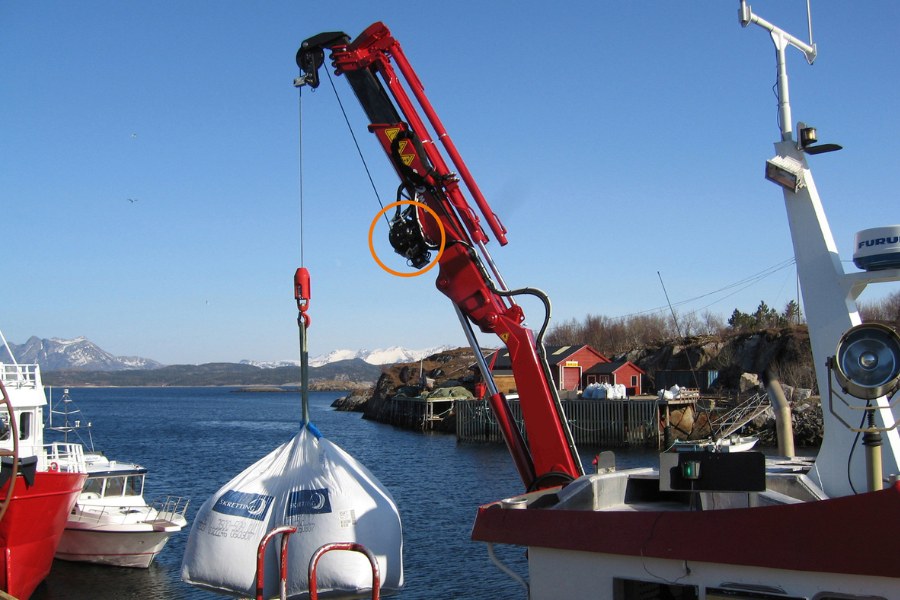
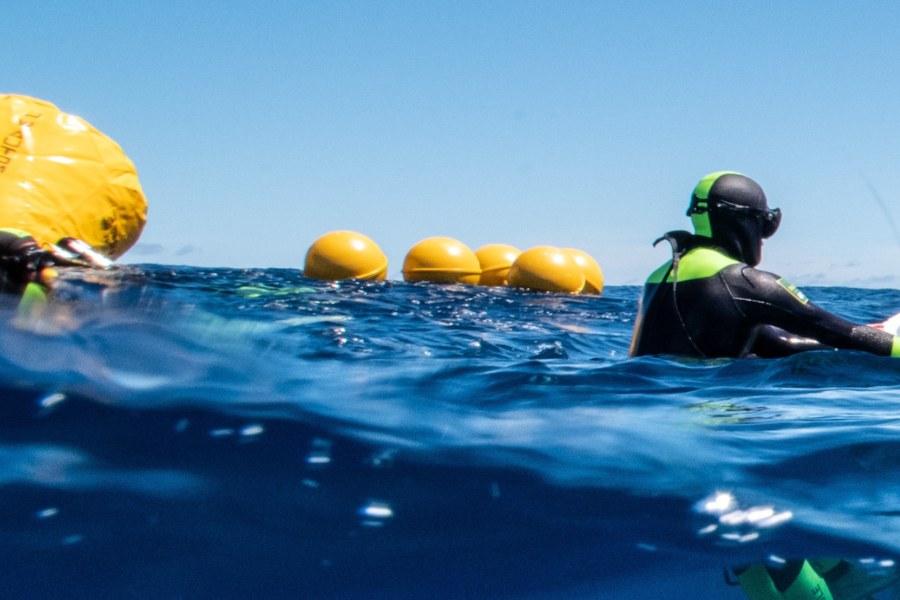
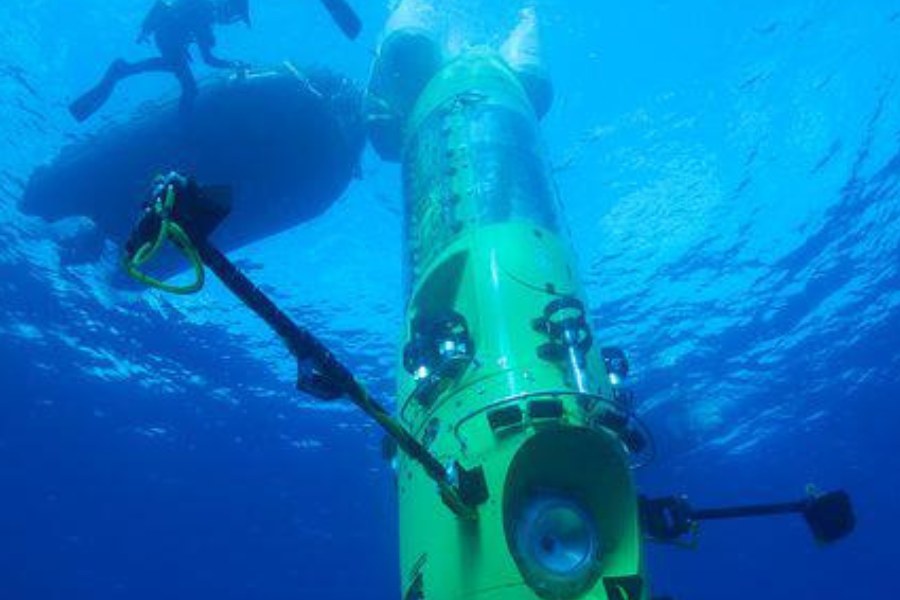
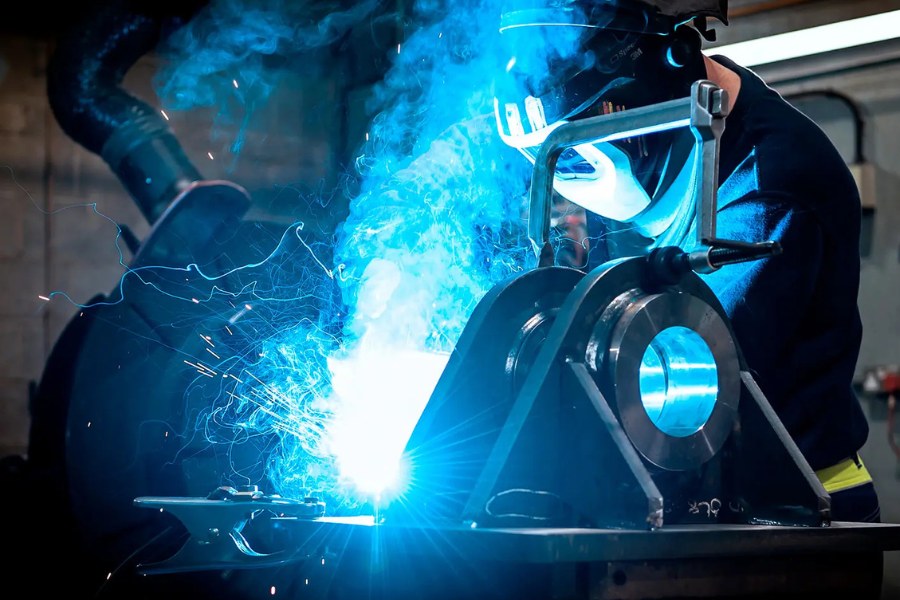
SubSalve USA Schwer Marine Fittings Hystat Hydraulic Cylinder Manufacturers BP Norse Marine Southbay Marine Services

Shipowners to Lead Maritime Transformation at APM 2026

Thursday, 5th March 2026

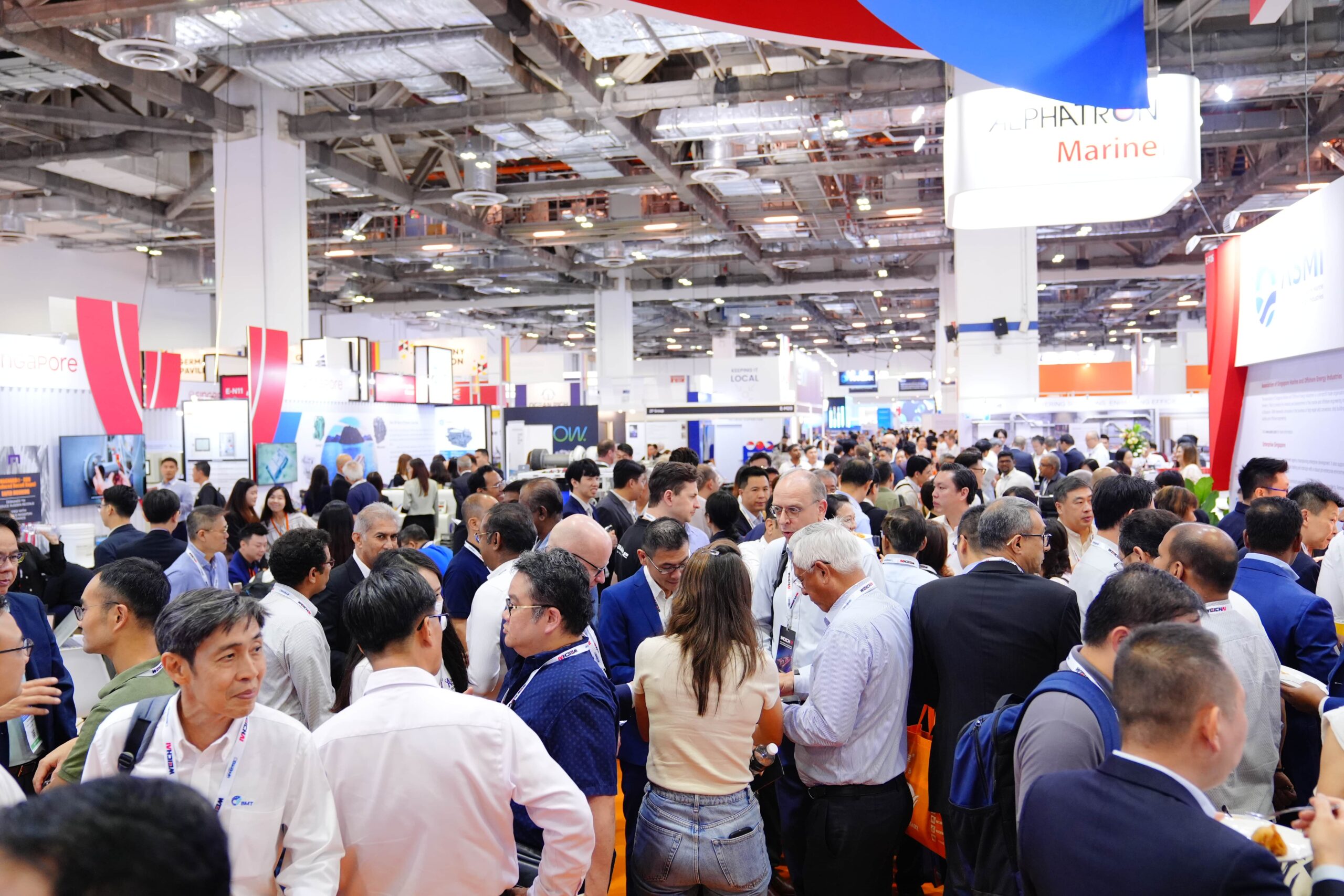
Shipowners and industry leaders will gather at Asia Pacific Maritime 2026 (APM 2026), taking place 25–27 March at Marina Bay Sands, as the industry accelerates digitalisation, automation and decarbonisation efforts.

Under the theme “Future of Vessel, Solutions for Tomorrow,” the three-day event will convene 150 senior executives to address operational strategy, future fuels, smart and autonomous ships, next-generation shipbuilding, maritime cybersecurity, finance and hybrid power systems.

APM 2026 opens with Guest-of-Honour Ang Wee Keong, Chief Executive of the Maritime and Port Authority of Singapore, followed by a keynote panel on “The Maritime State of Play & What’s Next for Asia.” Industry leaders from Mitsui OSK Lines, Swire Shipping, Wilhelmsen and regional shipowner associations will examine fuel pathways, fleet renewal and regulatory pressures shaping Asia’s maritime landscape.

Conference sessions will also explore LNG’s long-term role in shipping and the rapid adoption of AI-enabled systems for predictive maintenance, voyage optimisation and fleet performance.

Beyond the conference, more than 800 global exhibitors will showcase practical solutions that support cleaner, safer, and more efficient vessel operations. Product highlights include:

 – RUSTIBUS’ RUSTIBUS® Eco Series with integrated dust containment systems.

 – Nippon Paint Marine’ AQUATERRAS 1100, a biocide-free hull coating with low-VOC formulation.

 – Roxtec’ Cabinet Seal Platform for high-density marine cable installations.

 – Korindo Energy’ SCANIA E-Machine hybrid and electric propulsion system.

As decarbonisation targets tighten and digital transformation reshapes operations, APM 2026 will serve as a key platform for shipowners, shipyards and solution providers to drive the next phase of maritime innovation in Asia.

About Asia Pacific Maritime (APM)

Asia Pacific Maritime (APM) is Asia’s premier exhibition and conference for Shipbuilding & Marine, Workboat, Offshore, and Electric & Hybrid Marine.

With 35 years of excellence, APM is the pre-eminent platform where global solution providers showcase the latest developments in maritime technology and innovation to shipowners, shipyards, ship managers, and decision-makers across Asia. This is where strategic collaborations are forged, shaping the Future of Vessels, Solutions for Tomorrow.

Associated Exhibition:
Liferafts International DiveCo Marine Civils Sealane Maritime Engineering
SubSalve USA Schwer Marine Fittings Hystat Hydraulic Cylinder Manufacturers BP Norse Marine Southbay Marine Services

Selecting a Lifting Specialist for Offshore Projects: Risks, Considerations, and Best Practice

Wednesday, 4th March 2026

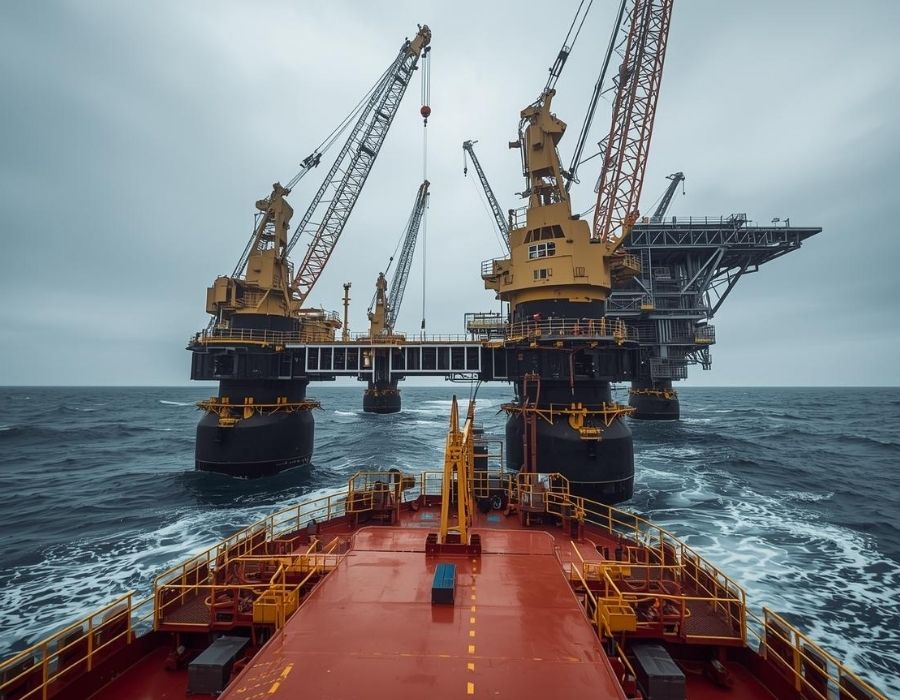
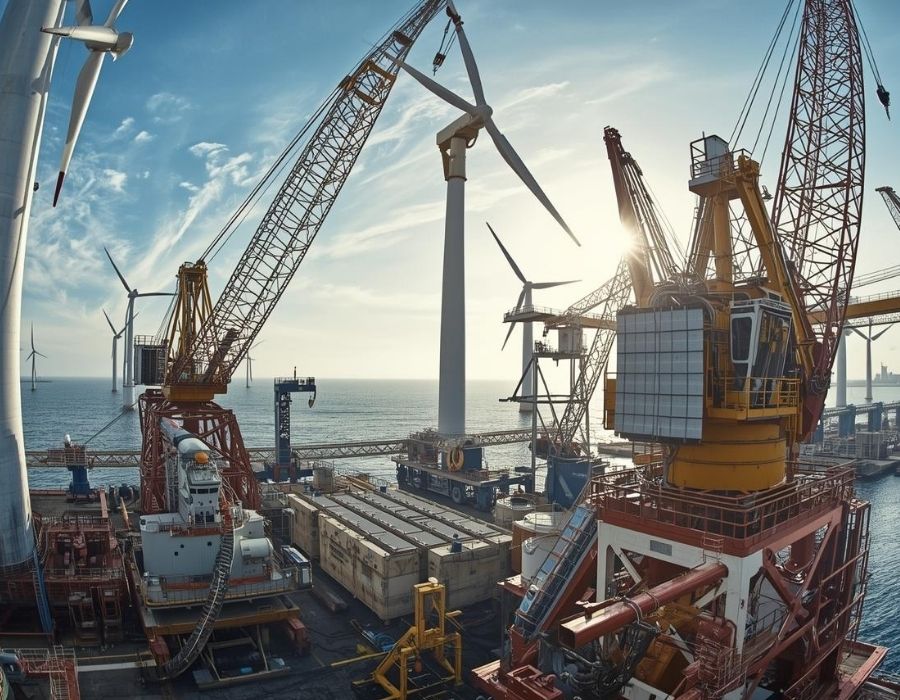
Lifting operations sit at the heart of almost every offshore project. Whether it’s installing subsea infrastructure, loading heavy components onto a barge, assembling offshore wind turbines or conducting maintenance on a platform, the success and safety of the operation depend on the lifting specialist you choose. Offshore lifting is complex, high‑risk and highly regulated, and the wrong partner can introduce delays, hazards and costly downtime.

With so much at stake, selecting the right lifting provider is not simply a procurement decision—it’s a strategic one. Fortunately, tools like the Seaplant Lifting Equipment Directory make it easier to identify trusted companies with the right expertise, equipment and track record.

This guide explores the key risks, considerations and best practices when choosing a lifting specialist for offshore work, helping you make confident decisions that protect your people, your assets and your project timeline.

Why Offshore Lifting Requires Specialist Expertise

Offshore lifting is fundamentally different from land‑based lifting. The environment is dynamic, unpredictable and unforgiving. Waves, wind, vessel motion and limited deck space all influence how a lift must be planned and executed.

A competent lifting specialist understands:

  • Load behaviour in a moving environment
  • Dynamic forces and shock loads
  • Vessel stability and deck strength
  • Subsea lifting challenges
  • Class and regulatory requirements
  • Emergency procedures and contingency planning

The right partner brings not only equipment but also deep operational knowledge, reducing risk and ensuring compliance.

Understanding the Risks of Choosing the Wrong Provider

Rotzler Lifting Equipment

Selecting an inexperienced or poorly equipped lifting company can introduce significant risks.

Safety Hazards

Improper lifting can lead to dropped loads, equipment failure, vessel instability or injury to personnel. Offshore environments magnify these risks.

Project Delays

If a lifting provider lacks the right equipment or expertise, operations can stall, causing costly downtime and missed weather windows.

Regulatory Non‑Compliance

Offshore lifting must meet strict standards. Non‑compliant equipment or procedures can result in shutdowns, fines or rejected inspections.

Damage to Assets

Heavy components such as turbines, subsea structures or deck machinery are expensive. Incorrect lifting can cause irreparable damage.

Reputational Impact

A failed lift reflects poorly on all parties involved, especially in a sector where reliability is everything.

These risks highlight why careful selection is essential.

Key Considerations When Choosing a Lifting Specialist

Rotzler Offshore Lifting

The Seaplant directory lists a wide range of lifting equipment suppliers, crane specialists and offshore lifting experts. When evaluating them, consider the following factors.

  1. Technical Capability and Equipment Range

A lifting provider must have equipment suited to offshore conditions. This includes:

  • Offshore cranes
  • A‑frames and davits
  • Hydraulic winches
  • Subsea lifting bags
  • Load testing equipment
  • Rigging and slings
  • Spreader beams and lifting frames

Check whether the company offers:

  • Equipment certified for offshore use
  • Solutions for both topside and subsea lifting
  • Redundancy options for critical operations
  • Modern, well‑maintained machinery

A broad equipment range indicates experience and readiness for complex tasks.

  1. Certification and Compliance

Offshore lifting is governed by strict standards. Your chosen specialist must comply with:

Ask for certificates, inspection records and maintenance logs. A reputable provider will supply them without hesitation.

  1. Experience with Offshore Environments

Experience matters more offshore than almost anywhere else. Look for companies with a proven track record in:

  • Offshore wind
  • Oil and gas
  • Subsea construction
  • Marine civils
  • Vessel mobilisation
  • Heavy‑lift barge operations

Review case studies, client testimonials and previous project summaries. Providers listed in the Seaplant directory often showcase their experience clearly, making comparisons easier.

  1. Engineering and Lift Planning Capability

A competent lifting specialist should offer engineering support, including:

  • Lift plans and method statements
  • Load calculations
  • Risk assessments
  • Dynamic load analysis
  • 3D lift modelling
  • Vessel stability checks

These services demonstrate a commitment to safe, well‑planned operations rather than simple equipment hire.

  1. Subsea Lifting Expertise

If your project involves subsea work, ensure the provider understands:

  • Buoyancy systems
  • Subsea rigging
  • ROV‑compatible lifting points
  • Controlled descent and ascent
  • Water‑filled load testing
  • Subsea recovery operations

Subsea lifting introduces unique challenges, and only specialists with the right equipment and experience should be considered.

  1. Load Testing and Inspection Services

Many offshore projects require proof load testing before equipment is approved for use. Look for providers offering:

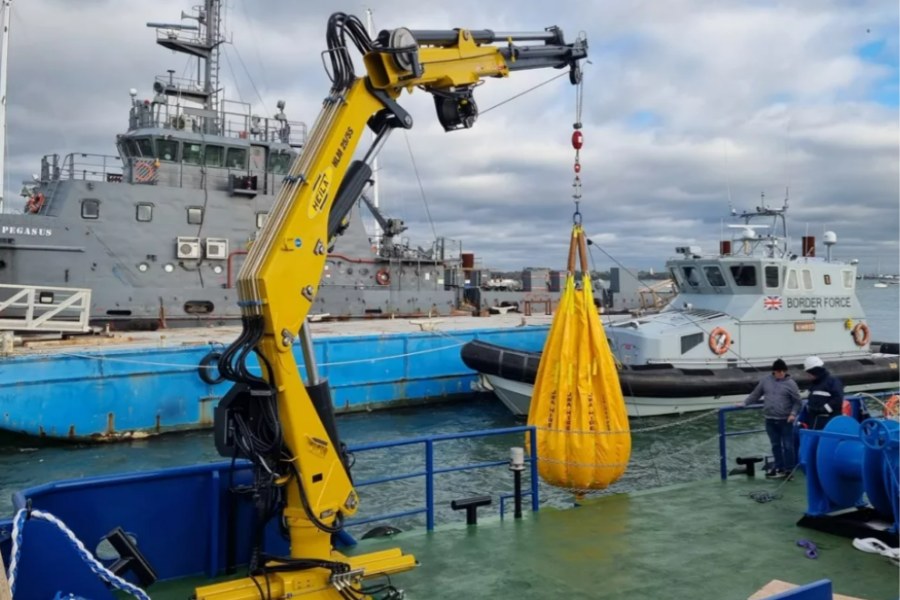
  • Water‑bag load testing
  • Crane load verification
  • Rigging inspection
  • NDT (non‑destructive testing)
  • Certification renewal

This ensures your lifting equipment is safe, compliant and ready for offshore conditions.

  1. Response Time and Mobilisation Capability

Offshore projects often operate within tight weather windows. A lifting specialist must be able to mobilise quickly.

Consider:

  • Proximity to your port or mobilisation site
  • Availability of equipment
  • Size of their logistics team
  • Ability to support emergency repairs or replacements

Companies listed in the Seaplant directory often highlight their mobilisation strengths, helping you choose a partner who can meet your schedule.

  1. Maintenance, Reliability and Equipment Condition

Offshore lifting equipment must be maintained to the highest standard. Ask about:

  • Maintenance schedules
  • Inspection intervals
  • Spare parts availability
  • Equipment age and refurbishment history

Well‑maintained equipment reduces the risk of breakdowns during critical operations.

  1. Insurance and Liability Coverage

Ensure the provider carries appropriate insurance for:

  • Offshore operations
  • Lifting activities
  • Equipment damage
  • Third‑party liability

This protects your project from unforeseen incidents.

Using Seaplant’s Lifting Equipment Directory

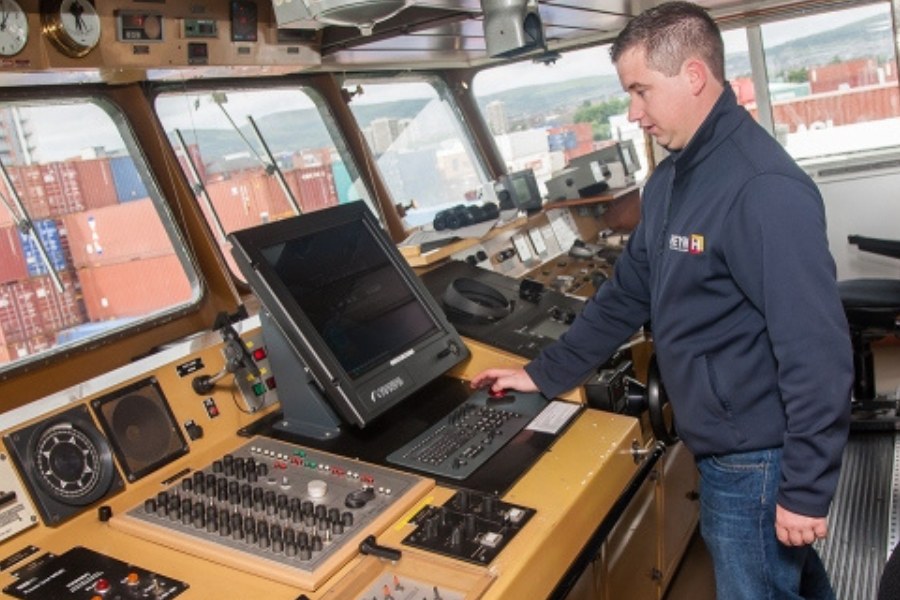
Heyn Engineering

The Seaplant Lifting Equipment Directory is one of the most comprehensive resources for finding trusted lifting specialists.

It allows you to:

  • Browse lifting equipment suppliers
  • Compare crane and winch providers
  • Identify subsea lifting experts
  • Find companies offering load testing
  • Explore rigging and hydraulic specialists

With hundreds of marine businesses listed, it’s an excellent starting point for building a shortlist of qualified partners.

Best Practice for Selecting a Lifting Specialist

To ensure you choose the right partner, follow these best‑practice steps:

  • Define your lifting requirements clearly
  • Shortlist providers using Seaplant’s directory
  • Review certifications and compliance documents
  • Assess equipment suitability and availability
  • Request case studies and references
  • Evaluate engineering and lift planning capability
  • Confirm mobilisation timelines
  • Review insurance and liability coverage
  • Conduct a technical and commercial comparison
  • Choose the provider who offers the best balance of safety, capability and value

This structured approach reduces risk and ensures your lifting operations are in safe hands.

Conclusion: A Strategic Decision That Shapes Project Success

Selecting a lifting specialist for offshore work is far more than a procurement exercise. It’s a decision that influences safety, efficiency and the overall success of your project. The right partner brings technical expertise, reliable equipment and a deep understanding of offshore challenges.

By using trusted resources such as the Seaplant Lifting Equipment Directory and applying the considerations outlined above, you can choose a lifting provider who supports your project from planning through execution with confidence and professionalism.

Liferafts International DiveCo Marine Civils Sealane Maritime Engineering
SubSalve USA Schwer Marine Fittings Hystat Hydraulic Cylinder Manufacturers BP Norse Marine Southbay Marine Services

Spotlight on Seaplant Members: Hundreds of Innovative Companies Leading the Way in the Offshore Marine Industry

Wednesday, 4th March 2026

The offshore marine industry thrives on innovation, reliability and specialist expertise. From heavy‑duty barge systems to precision hydraulic engineering, from subsea lifting solutions to inflatable buoyancy systems, the sector depends on companies that can deliver robust, high‑performance equipment in some of the world’s toughest environments.

Across the UK, Europe and beyond, Seaplant’s Business Finder  brings together hundreds of these exceptional businesses—fabricators, equipment suppliers, engineering specialists and marine service providers who keep offshore operations moving.

This spotlight highlights several standout members whose products and services are shaping the future of offshore construction, subsea operations and marine engineering.

Combifloat Systems B.V. – Modular Barges and Jack‑Up Platforms Built for Offshore Challenges

COMBIFLOAT

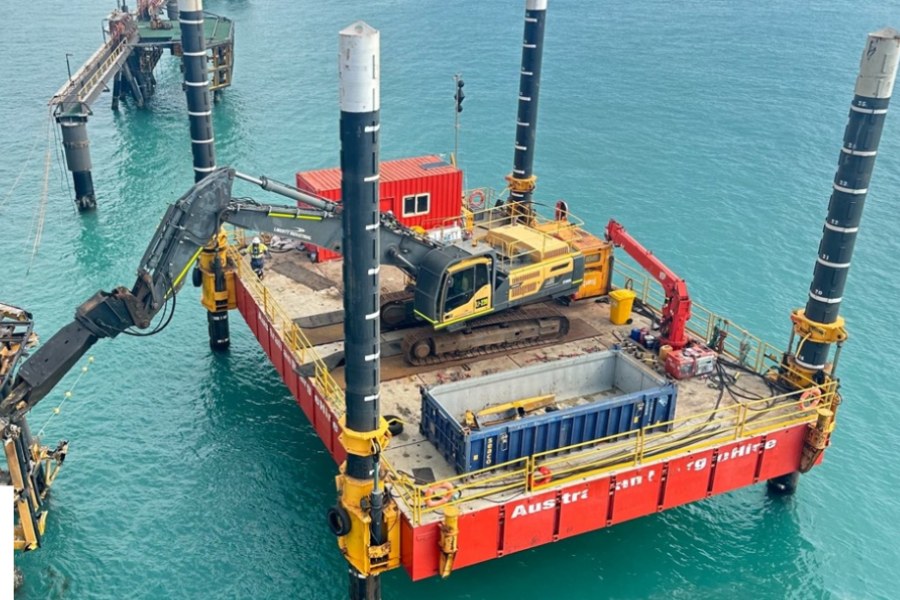
Combifloat Systems B.V. is a global leader in modular floating and jack‑up solutions. Their systems are used extensively in offshore wind, dredging, coastal construction and oil and gas projects.

What makes Combifloat so valuable to the industry is the flexibility of its modular barge systems. These units can be transported easily, assembled quickly and configured into a wide range of platform sizes. Whether supporting heavy cranes, piling rigs or geotechnical equipment, Combifloat’s platforms offer exceptional stability and load capacity.

Their jack‑up systems are equally impressive, providing safe, elevated working platforms in shallow or nearshore environments where traditional vessels cannot operate. For contractors working in remote or tidal locations, Combifloat’s equipment is often the difference between a project that succeeds and one that stalls.

Marine Plant Hire – Trusted Equipment for Coastal and Offshore Construction

Marine Plant Hire

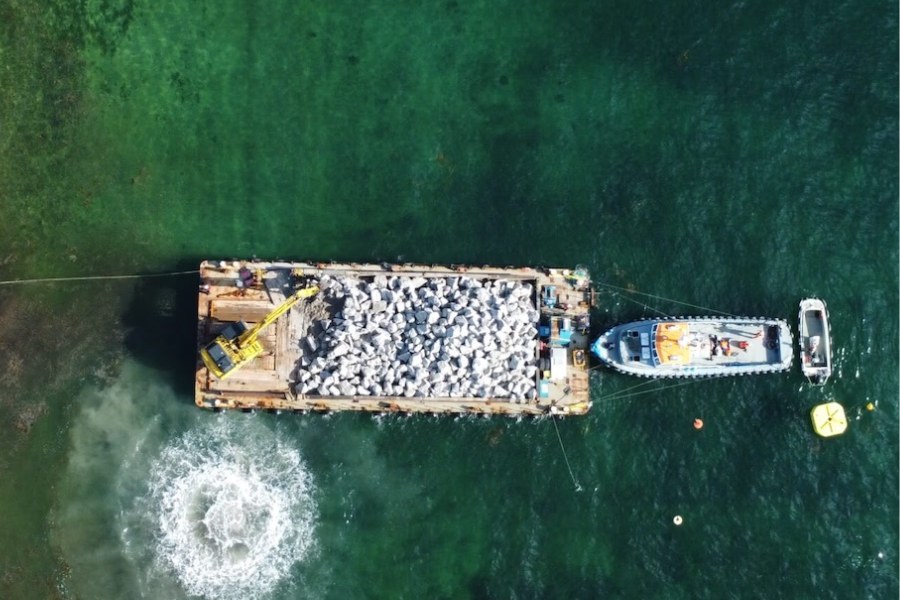
Marine Plant Hire is a well‑established supplier of marine construction equipment, offering a wide range of vessels, pontoons, barges and specialist plant for hire. Their fleet supports projects across ports, harbours, rivers and offshore sites.

Contractors value Marine Plant Hire for their reliability and responsiveness. Whether a project requires a modular pontoon for piling works, a workboat for coastal access or a barge for transporting heavy materials, the company provides well‑maintained equipment backed by experienced support teams.

Their ability to mobilise quickly makes them a go‑to partner for emergency repairs, tidal‑dependent works and time‑critical offshore operations.

QuipBase – A Global Marketplace for Offshore, Subsea and Marine Equipment

Rotzler Lifting Equipment

QuipBase has become one of the most important digital platforms for sourcing equipment across the oil and gas, drilling, offshore wind, subsea and marine industries.

Their marketplace connects buyers with suppliers of:

  • Drilling equipment
  • Subsea tools and components
  • Marine machinery
  • Lifting and handling systems
  • Vessel equipment and spares

For operators and contractors, QuipBase simplifies procurement by providing access to a vast catalogue of equipment from trusted suppliers worldwide. It’s particularly valuable for hard‑to‑find items, specialist tools and time‑sensitive requirements.

In an industry where downtime is costly, QuipBase helps companies source what they need quickly and confidently.

JWA – Global Leaders in Load Testing and Subsea Lifting Equipment

JWA

JWA (JW Automarine) is internationally recognised for its expertise in load testing, lifting equipment and subsea lifting solutions. Their products are used across offshore wind, subsea construction, oil and gas and marine civils.

Their portfolio includes:

  • Water‑filled proof load bags
  • Subsea lifting bags
  • Buoyancy modules
  • Load testing equipment
  • Bespoke lifting solutions

JWA’s equipment is trusted for its safety, reliability and compliance with global standards. Their subsea lifting bags, in particular, are widely used for installation, recovery and salvage operations.

With decades of experience and a strong focus on innovation, JWA continues to set the benchmark for safe lifting in challenging offshore environments.

SUBSALVE – World Leaders in Engineered Inflatable Buoyancy Systems

SUBSALVE

SUBSALVE is a name synonymous with high‑performance inflatable lifting and buoyancy systems. Their products are used by commercial divers, salvage teams, offshore contractors and even military and emergency response units around the world.

Their range includes:

  • Professional lift bags
  • Enclosed flotation systems
  • Rapid‑deployment buoyancy units
  • Underwater air systems
  • Custom inflatable solutions

SUBSALVE’s equipment is engineered to withstand harsh marine conditions while delivering precise, controlled buoyancy. From subsea installation to aircraft recovery, their systems support some of the most demanding operations in the industry.

Their reputation for quality and reliability has made them a trusted partner for offshore contractors and marine engineers globally.

HYSTAT – Precision Hydraulic Cylinders and Accumulators for Marine Applications

HYSTAT

HYSTAT is one of the UK’s leading manufacturers of hydraulic cylinders, accumulators and specialist hydraulic systems. Their products are used extensively in marine, offshore, defence and heavy industrial applications.

Their capabilities include:

  • Bespoke hydraulic cylinder design
  • High‑pressure accumulator manufacturing
  • Repair and refurbishment services
  • Hydraulic system engineering

Marine contractors rely on HYSTAT for equipment that performs reliably under extreme loads and in corrosive environments. Whether powering deck machinery, stabilising offshore structures or supporting heavy lifting systems, HYSTAT’s hydraulic solutions are built for durability and precision.

Their engineering expertise and commitment to quality make them a key supplier to shipyards, offshore operators and marine equipment manufacturers.

Why These Companies Stand Out in the Offshore Marine Sector

Across all these businesses, several qualities consistently shine through:

Technical excellence – Each company brings deep engineering expertise and a strong understanding of offshore operational demands.

Innovation – From modular barge systems to advanced hydraulic solutions, these companies push the industry forward with new ideas and technologies.

Reliability – Offshore work leaves no room for failure. These suppliers are trusted because their equipment performs consistently in harsh conditions.

Global reach – Many of these companies support projects worldwide, demonstrating their capability and reputation on an international scale.

Customer focus – Whether through rapid mobilisation, custom engineering or digital procurement platforms, they make life easier for contractors and vessel operators.

Seaplant’s Business Finder: A Gateway to Hundreds of Marine Specialists

The companies highlighted here represent only a small sample of the hundreds of innovative businesses listed in Seaplant’s Business Finder,

The directory includes:

  • Fabricators
  • Vessel operators
  • Equipment suppliers
  • Engineering firms
  • Marine service providers
  • Offshore specialists

For anyone working in the offshore, subsea or marine construction sectors, it is an invaluable resource for finding trusted partners and suppliers.

Conclusion: A Network Driving the Future of Offshore Marine Operations

The offshore marine industry depends on companies that can deliver strength, precision and innovation. The businesses featured here are just a few outstanding examples of the expertise available through Seaplant’s extensive network.

Their products and services support the offshore energy transition, enable complex subsea operations and keep marine construction projects moving safely and efficiently.

As the industry continues to evolve, these companies will remain at the forefront—engineering solutions that help shape the future of offshore operations.

Liferafts International DiveCo Marine Civils Sealane Maritime Engineering
SubSalve USA Schwer Marine Fittings Hystat Hydraulic Cylinder Manufacturers BP Norse Marine Southbay Marine Services

Combifloat Acquires Australian Barge Hire

Monday, 23rd February 2026

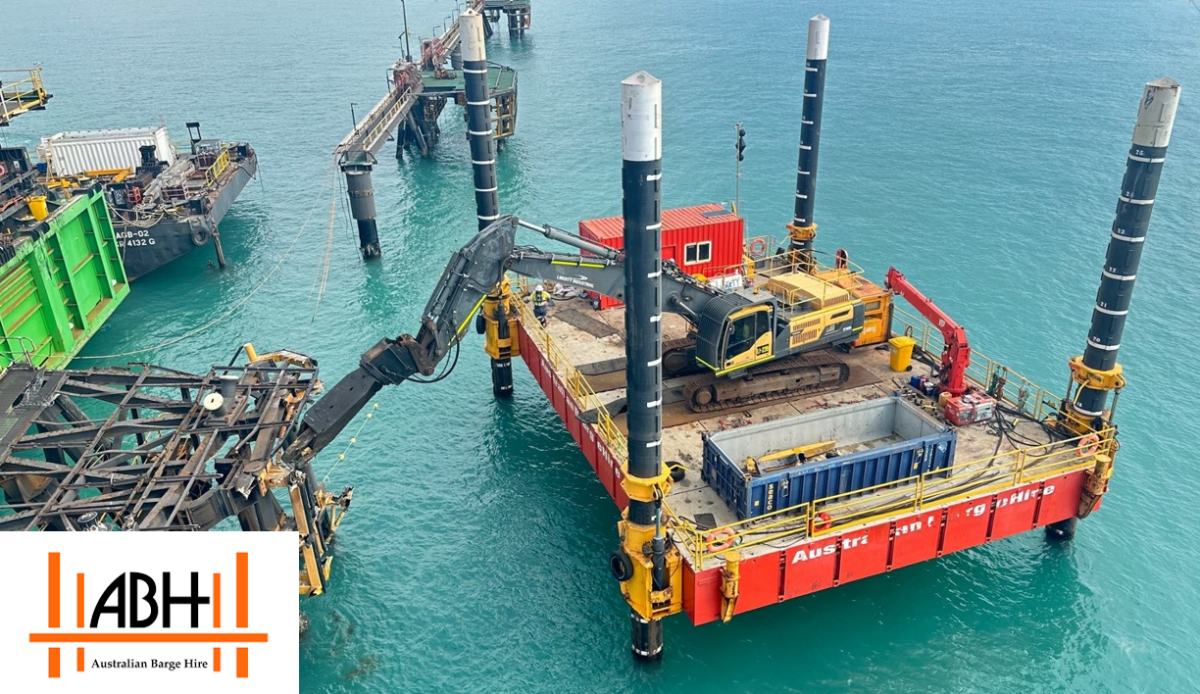
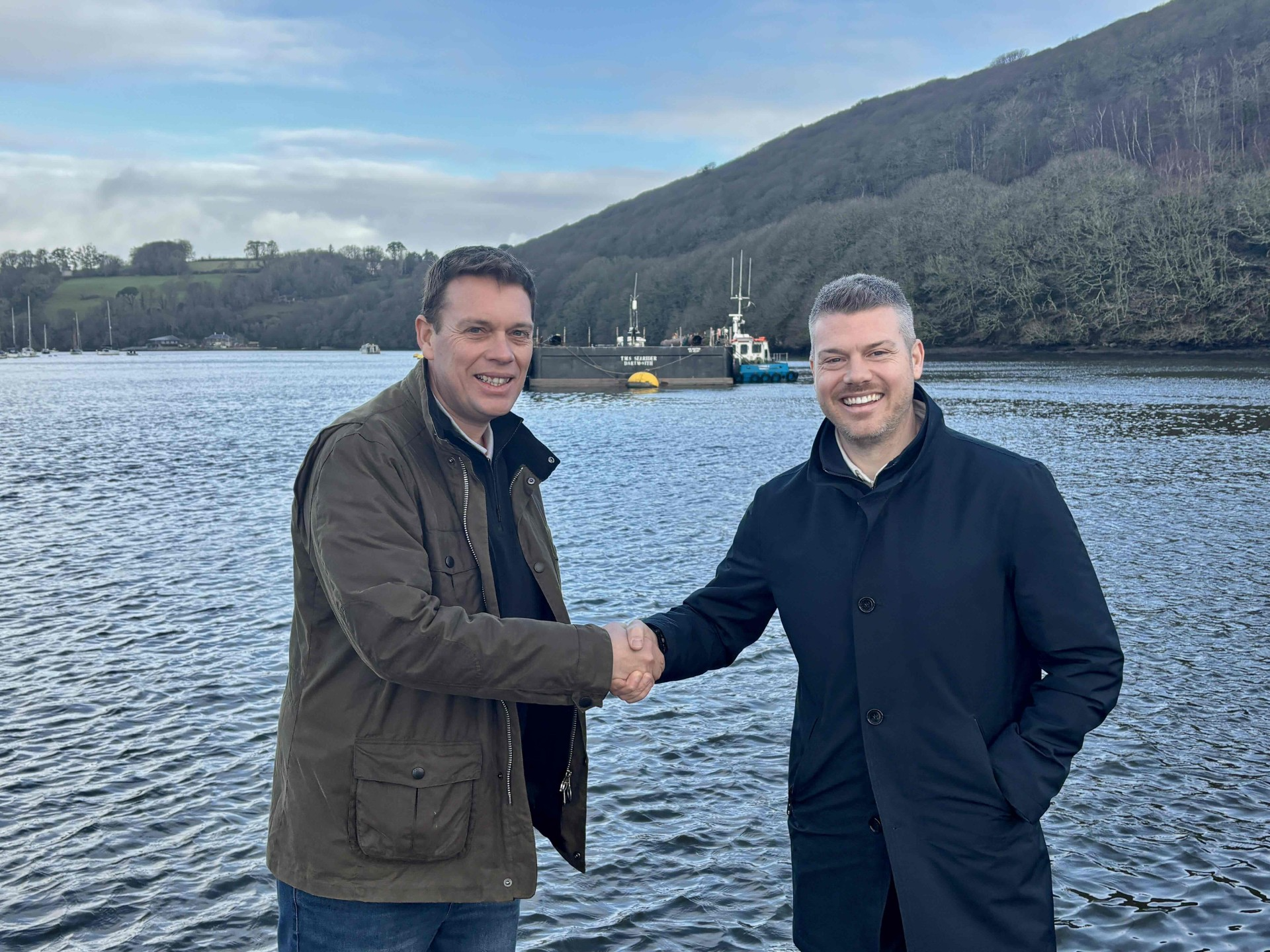
Combifloat Group, a global leader in modular marine equipment systems, has announced the acquisition of Australian Barge Hire (ABH), Australia’s leading provider of modular jack-up barges and overwater access solutions. The transaction significantly strengthens the Group’s presence in the Asia-Pacific region and enhances its ability to deliver integrated marine solutions worldwide.

By combining Combifloat’s engineering expertise in modular jack-up technology with ABH’s established Australian operations and client base, the Group is positioned to offer safer, more efficient, and higher-capacity marine platforms to contractors across marine construction, offshore renewables, and subsea oil & gas markets.

Strengthening the Australian Market

Over the past two decades, ABH has built a strong nationwide reputation as the market leader in sectional jack-up hire across Australia. Known for its adaptability and strong safety culture, ABH enables complex marine operations in challenging environments while meeting strict regulatory standards.

From 2026 onward, Combifloat-designed C5 and C7 platforms will be introduced to the Australian market. In addition, ABH will serve as a regional sales and service representative for selected Combifloat Group capabilities, including newbuild modular solutions and services from Oceanteam Solutions. This expanded offering will provide clients with access to a broader, fully integrated portfolio of marine access and logistics solutions.

A Strategic Step in Portfolio Development

The acquisition aligns with Combifloat Group’s long-term strategy of building a focused portfolio of specialised marine equipment businesses. While Combifloat remains the Group’s flagship brand for modular jack-up systems, the organisation has strategically expanded into complementary markets and geographies through targeted acquisitions and joint ventures.

In 2023, the Group entered the subsea cable logistics sector through the acquisition of Oceanteam Solutions, strengthening its integrated service offering in offshore renewables and subsea oil & gas. In 2025, it expanded into North America with the launch of Poseidon Jack Up, a Jones Act–compliant joint venture with Poseidon Barge, delivering modular jack-up solutions tailored to U.S. and Canadian marine contractors.

Leadership Perspectives

Ben Slater, Managing Director of Australian Barge Hire, commented: “With the support of the Combifloat Group, ABH can now introduce larger and more capable construction-sized modular floating and jack-up barges to the Australian and Asia-Pacific markets. We will continue operating as a marine hire business—business as usual—while expanding our ability to serve geotechnical clients and marine contractors requiring modular platforms for cranes, piling rigs, and dredging equipment.”

Jaap Jan Pietersen, CEO of Combifloat Group, added: “We are proud to welcome ABH into the Combifloat family. The company’s strong reputation and operational excellence make it an ideal platform for growth in the region. This acquisition further strengthens our ability to serve global markets with reliable, modular, high-performance marine equipment.”

About Combifloat Group

Combifloat Group is a global provider of modular marine equipment systems, operating a portfolio of specialised marine access and marine logistics businesses. Originating from its founding brand, Combifloat, the Group is recognised for its expertise in modular jack-up technology, engineering durability, versatility, and sustainability into its platforms.

Through continued acquisitions and partnerships, the Group has expanded its geographic reach and technical depth, serving clients in marine construction, offshore renewable energy, and subsea oil & gas markets worldwide.

About Australian Barge Hire

Australian Barge Hire (ABH), established in 2006, is Australia’s leading provider of modular jack-up barges and overwater access solutions. The company delivers safe and efficient platforms for marine construction, geotechnical drilling, and asset maintenance projects across diverse environments—from inland waterways to ports and nearshore coastal zones.

Associated Listing:
Liferafts International DiveCo Marine Civils Sealane Maritime Engineering
SubSalve USA Schwer Marine Fittings Hystat Hydraulic Cylinder Manufacturers BP Norse Marine Southbay Marine Services

Marine Plant Hire Charts a Greener Course

Tuesday, 17th February 2026

Marine Plant Hire (MPH), a leading UK provider of marine services and vessel hire, has become the first company in its sector to achieve carbon-neutral status for Scope 1 and Scope 2 emissions under the globally recognised Greenhouse Gas Protocol framework.

The milestone marks a significant moment for the marine industry. Marine Plant Hire, which supplies specialist marine plant and skilled operators to support major infrastructure projects across the UK and Europe, is now widely regarded as setting a new sustainability benchmark for the sector.

The achievement is expected to encourage other marine operators to accelerate their own environmental strategies, supporting the UK’s broader commitment to achieving net zero emissions by 2050.

To achieve carbon-neutral status for Scope 1 and 2 emissions, organisations must measure and offset all direct emissions from owned or controlled sources, as well as indirect emissions from purchased energy. MPH successfully offset 81 tonnes of carbon dioxide equivalent (tCO2e) through voluntary investment in verified carbon credits supporting the Bank Farm Regenerative Project — a UK-based sustainability initiative also backed by major brands including Waitrose & Partners, Lloyds Banking Group and NatWest.

Rich Eggleton, Managing Director at Marine Plant Hire, said:

“Achieving carbon-neutral status for our Scope 1 and 2 emissions represents a major milestone for our business and signals the direction marine plant hire must take. Heavy plant, barges and tugs are essential for delivering safe and efficient water-based infrastructure projects, but we are fully aware of the environmental responsibilities that come with that capability.

We’ve taken action now because raising standards matters — not only for our business, but for the waterways we work on every day and the clients who rely on us. This achievement gives our customers greater confidence in the environmental performance of the projects we help deliver.”

Ashley Webber, Director at Balanced Energy, the environmental consultancy that verified MPH’s carbon-neutral status, added:

“Achieving carbon-neutral status for Scope 1 and 2 emissions is a significant landmark and a strong statement of intent. MPH has taken a rigorous approach to measuring its environmental impact and acting on the emissions within its control. Just as importantly, this sets a new benchmark for the marine sector and demonstrates that credible, practical sustainability progress is entirely achievable.”

Associated Listing:
Liferafts International DiveCo Marine Civils Sealane Maritime Engineering
SubSalve USA Schwer Marine Fittings Hystat Hydraulic Cylinder Manufacturers BP Norse Marine Southbay Marine Services

From Concept to Quay: The Journey of Building a Bespoke Commercial Vessel

Monday, 9th February 2026

Every commercial vessel has a story. Long before it touches the water, before the engines roar to life or the first crew steps aboard, it begins as an idea—a response to a specific operational need.

Whether it’s a workboat, a survey craft, a tug or a specialist offshore support vessel, the journey from concept to quay is a fascinating blend of engineering, creativity and collaboration.

Designing and building a bespoke commercial vessel is not simply a construction project. It’s a lifecyce, a partnership and a technical evolution.

Each stage shapes the next, and every decision influences how the vessel will perform throughout its working life.

This is the story of how a vessel is born.

  1. Understanding the Mission: The Concept Phase

Every vessel begins with a purpose.

A client approaches a naval architect or shipyard with a set of operational requirements. These might include:

  • The type of work the vessel must perform
  • Cargo or passenger capacity
  • Speed, range and endurance
  • Operating environment and sea conditions
  • Regulatory and class requirements
  • Budget and delivery timeline

This early stage is all about clarity. Designers and operators work together to define the vessel’s mission profile. A survey boat will need stability and precision. A tug requires power and manoeuvrability. A crew transfer vessel demands comfort, safety and speed.

Once the mission is understood, the design team begins shaping the vessel’s identity.

  1. Early Design: Turning Ideas into Form

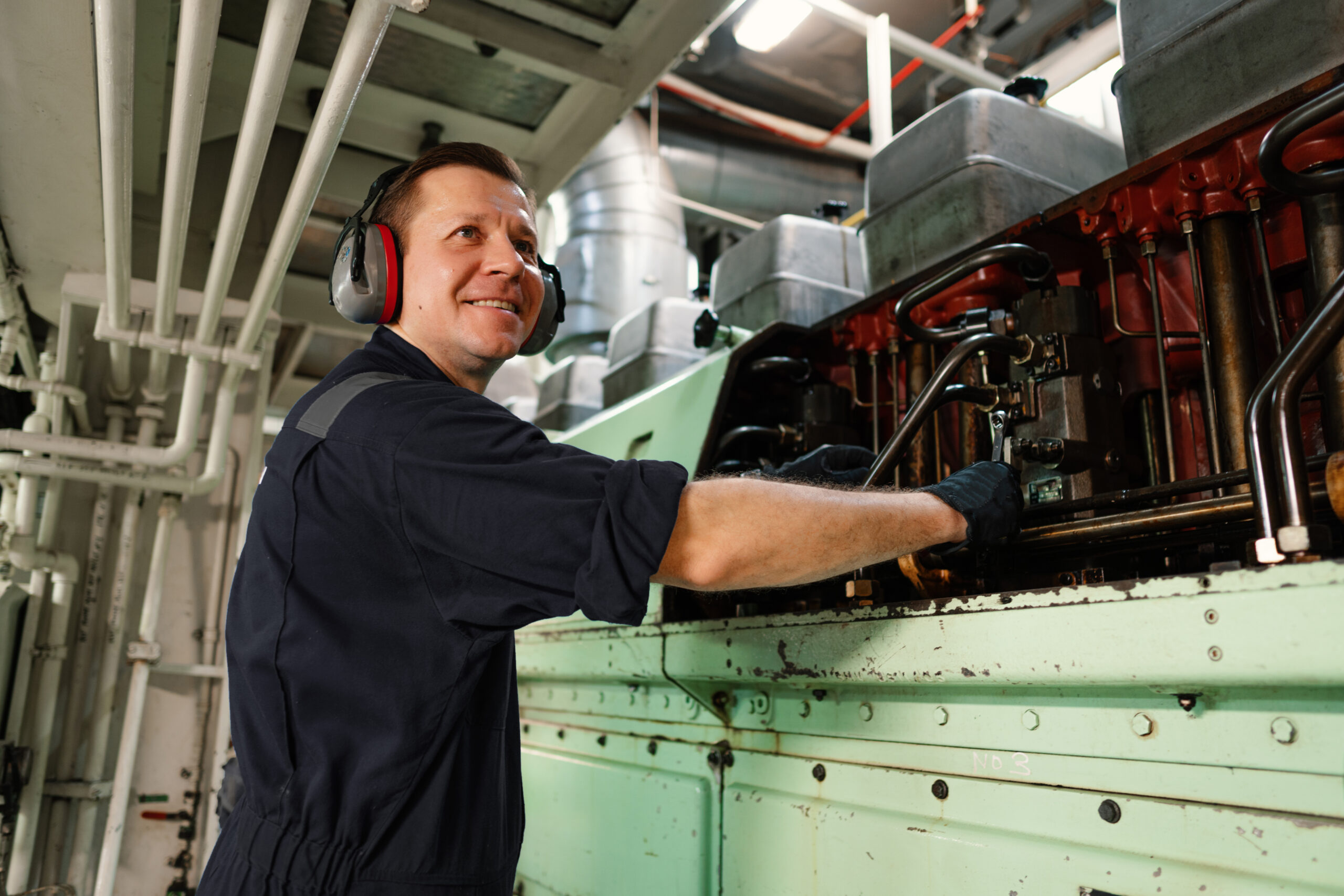
Marine Engineers Shipbuilders

With the operational brief in hand, naval architects begin sketching out the vessel’s initial form.

This includes:

  • Hull shape and dimensions
  • Deck layout
  • Machinery placement
  • Structural framework
  • Preliminary weight estimates
  • Stability calculations

Modern design tools allow teams to model hull performance, fuel efficiency and seakeeping behaviour long before steel is cut. Computational fluid dynamics (CFD) simulations help refine the hull, ensuring the vessel performs efficiently in real‑world conditions.

At this stage, the vessel begins to take shape—not yet detailed, but recognisable.

  1. Detailed Engineering: The Blueprint of a Vessel

Once the concept is approved, the project moves into detailed design. This is where the vessel becomes real on paper.

Engineers produce:

  • Structural drawings
  • Electrical and hydraulic schematics
  • Machinery integration plans
  • Safety and fire‑control layouts
  • Accommodation and interior arrangements
  • Class‑compliant documentation

Every cable, pipe, weld and bracket is specified. The design must meet strict standards set by classification societies and maritime authorities.

This stage is meticulous, technical and essential. A well‑engineered vessel is safer, easier to maintain and more efficient throughout its life.

  1. Procurement and Planning: Preparing for Construction

Before construction begins, the shipyard coordinates materials, equipment and subcontractors.

This includes:

  • Steel and aluminium supply
  • Engines, generators and propulsion systems
  • Navigation and communication equipment
  • Deck machinery and cranes
  • Interior fittings and furnishings

Lead times can be long, especially for specialist components. Effective planning ensures the build progresses smoothly without delays.

The shipyard also finalises the construction schedule, workforce allocation and quality‑control procedures.

  1. Steel Cutting and Keel Laying: The Build Begins

Ship Steel Cutters

The moment the first steel plate is cut marks the official start of construction.

Sections of the hull are fabricated in blocks—large, pre‑assembled units that are later joined together. This modular approach improves accuracy and efficiency.

Keel laying, a traditional milestone, symbolises the vessel’s birth. From here, the hull grows rapidly as blocks are welded into place, forming the vessel’s structure.

  1. Outfitting: Bringing the Vessel to Life

Vessel Outfitters

Once the hull is complete, the vessel enters the outfitting phase. This is where it transforms from a steel shell into a working ship.

Outfitting includes:

  • Installing engines, generators and propulsion systems
  • Fitting electrical, hydraulic and fuel systems
  • Mounting navigation and communication equipment
  • Building accommodation spaces
  • Installing deck machinery and safety equipment
  • Painting and corrosion protection

This phase is complex and highly coordinated. Multiple teams work simultaneously, each contributing to the vessel’s functionality and character.

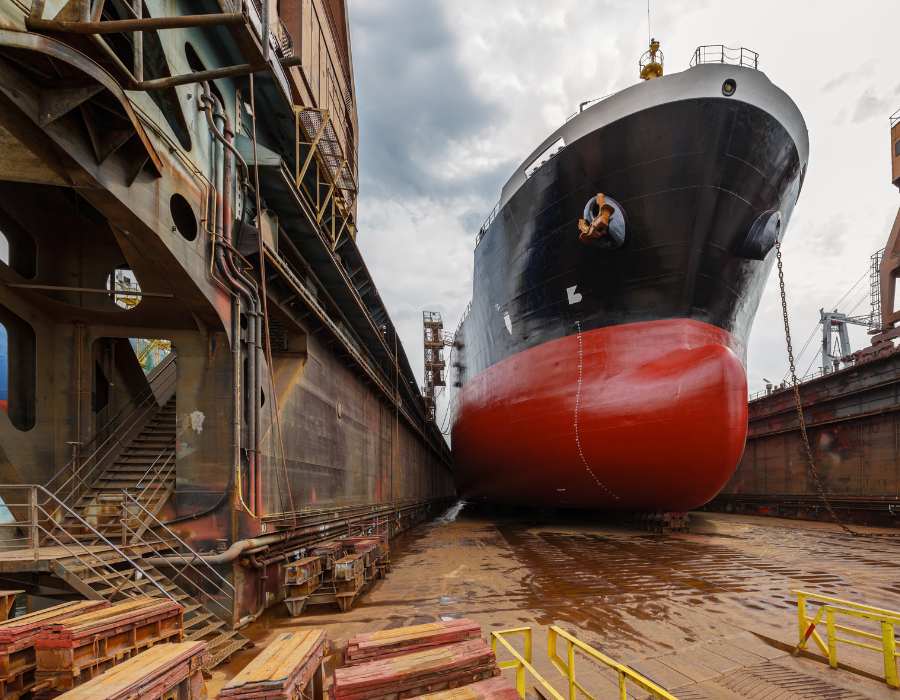
  1. Launch: A Major Milestone

Cargo Ship Launch

Launching a vessel is one of the most exciting moments in the build process.

Depending on the shipyard, the vessel may be:

  • Rolled onto a slipway
  • Lowered by a syncrolift
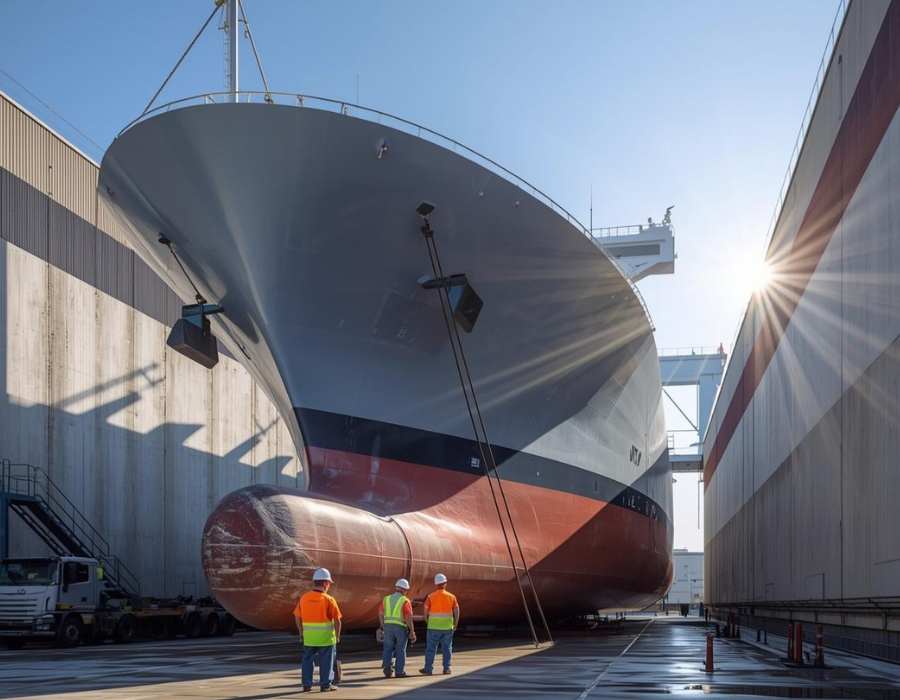
  • Floated out of a dry dock

For the first time, the vessel meets the water. It’s a moment of pride for designers, builders and owners alike.

But the journey is far from over.

  1. Harbour Trials: Testing the Basics

Once afloat, the vessel undergoes harbour trials to test its core systems.

These tests include:

  • Power generation
  • Electrical systems
  • Steering and propulsion
  • Safety equipment
  • Navigation electronics
  • Fuel and ballast systems

Any issues are corrected before the vessel proceeds to sea trials.

  1. Sea Trials: Proving Performance

Sea trials are the ultimate test of a vessel’s design and construction.

During this phase, the vessel is taken offshore to evaluate:

  • Speed and fuel consumption
  • Manoeuvrability
  • Seakeeping and stability
  • Emergency systems
  • Noise and vibration levels
  • Endurance and operational capability

Representatives from the shipyard, classification society and the client all participate. Only when the vessel meets every requirement is it approved for delivery.

  1. Delivery and Handover: A New Beginning

After successful trials, the vessel is officially handed over to the owner.

This includes:

  • Documentation and certification
  • Crew training
  • Spare parts and maintenance manuals
  • Warranty agreements

The vessel is now ready to begin its working life—whether that means supporting offshore wind farms, towing barges, transporting crew or conducting surveys.

For the shipyard, it’s the end of a long journey. For the vessel, it’s just the beginning.

  1. The Lifecycle Continues: Maintenance and Upgrades

A bespoke commercial vessel is built to last, but it requires ongoing care.

Throughout its life, it will undergo:

  • Routine maintenance
  • Dry‑dock inspections
  • Machinery overhauls
  • Safety upgrades
  • Modernisation and refits

A well‑designed vessel can serve for decades, adapting to new technologies and evolving operational needs.

Conclusion: Crafting a Vessel with Purpose

The journey from concept to quay is a remarkable blend of engineering, craftsmanship and collaboration. Every bespoke commercial vessel is a testament to the skill of naval architects, shipbuilders and marine engineers who bring it to life.

From the first sketch to the final sea trial, each stage shapes a vessel that is uniquely suited to its mission. And once it enters service, it becomes part of the maritime landscape—working, supporting and enabling industries across the world.

A bespoke vessel is more than steel and machinery. It’s a purpose‑built solution, a floating tool and a symbol of innovation in the marine industry.

Liferafts International DiveCo Marine Civils Sealane Maritime Engineering
SubSalve USA Schwer Marine Fittings Hystat Hydraulic Cylinder Manufacturers BP Norse Marine Southbay Marine Services

Asia Pacific Maritime Returns with Focus on Decarbonisation

Monday, 26th January 2026

Asia Pacific Maritime Returns to Singapore with Focus on Next Energy and Accelerating Maritime Decarbonisation

Asia Pacific Maritime (APM), Asia’s leading exhibition and conference for Shipbuilding & Marine, Workboat, Offshore, and Electric & Hybrid Marine, will return for its 19th edition from 25–27 March 2026 at Marina Bay Sands, Singapore. Set to be its largest edition to date, APM 2026 is anchored by the theme “Future of Vessels, Solutions for Tomorrow”, bringing next energy technologies and innovation to the forefront of maritime transformation.

As decarbonisation targets intensify and digital innovation accelerates, the maritime sector is entering a decisive phase of energy transition. Energy is now a central driver of progress across newbuild specifications, fuel strategies, operational optimisation, and the capital and commercial frameworks that support them.

Largest Edition to Date with Global Industry Leaders

APM 2026 will open with a welcome address from Guest-of-Honour Ang Wee Keong, Chief Executive, Maritime and Port Authority of Singapore (MPA). The sold-out exhibition will feature more than 700 exhibitors, spanning 18 national and regional pavilions across six exhibition halls.

The exhibition will spotlight solutions across alternative fuels, electric and hybrid technologies, wind-assisted propulsion, and technologies enabling maritime decarbonisation and operational efficiency.

On the conference front, APM 2026 will welcome close to 100 global speakers, covering key themes including:

 – Future Fuels & Zero-Emission Ships

 – Next-Generation Shipbuilding: Design, Build, Retrofit & Repair

 – Electric & Hybrid Power

 – Finance, Risk & Insurance for the Future Fleet

 – Maritime Cybersecurity

 – Smart & Autonomous Ships

Industry Leaders Highlight APM’s Role in Regional Growth

Weichai, one of the world’s largest industrial equipment manufacturers, commented:

“APM is the largest meeting place in Asia and has played a pivotal role in accelerating our growth across the region since establishing our presence in Singapore. Returning for our tenth appearance at APM in 2026, we look forward to presenting our largest and most ambitious showcase yet.”

The company also highlighted a recent milestone:

“Earlier this month, we celebrated the successful completion of a 1,000-hour sea trial of Pinnacle Marine’s President 100. The vessel, operated by Prestige Ocean Pte Ltd, is the first of its kind powered entirely by 100% biodiesel made from renewable feedstock and by B100 engines manufactured by Weichai. This milestone will be commemorated during a testing certification ceremony alongside partners NTU’s Maritime Energy & Sustainable Development Centre of Excellence (MESD) and the China Classification Society Singapore at APM, and we are excited to feature our B100 product series at our booth.”

Exhibition Highlights New Energy Pathways to Cleaner Shipping

Electrification continues to gain traction as one of the most immediate pathways to reducing maritime emissions. Battery systems, in particular, are enabling shipowners and operators to improve efficiency while maintaining operational reliability.

Jan-Erik Räsänen, Chief Technology Officer at Foreship, part of RINA, said:

“Battery electrification will help shipowners and operators immediately improve vessel efficiency and reduce fuel consumption and GHG emissions. The vessel’s power plant needs to be flexible and adaptable, allowing the use of traditional combustion engines alongside batteries to improve overall efficiency. Future-proof design should already be included at the new-build phase.”

Reflecting this shift, APM 2026 will feature leading providers of electric and battery technologies, including AYK Energy, CALB, Eve Energy, MT Power, Roypow, and Shenzhen Racern Technology.

To further support shipowners and operators, APM 2026 introduces a new feature — the Electric & Hybrid Consultation Lounge. The lounge will bring together experts from key industry bodies, including the Maritime Battery Forum, CharIN, the International Electric Maritime Association (IEMA) and the Zero Emissions Ship Technology Association (ZESTAs). Discussions will focus on four critical adoption areas:

 – High-power charging in e-mobility

 – Maritime battery systems

 – Next-generation electric marine technologies

 – Zero-emission shipping

Wind Propulsion and Renewables Gain Momentum

Wind propulsion is re-emerging as a viable decarbonisation pathway for deep-sea shipping. According to Clarksons, 89 vessels were equipped with wind-propulsion systems as of December 2025, while the International Windship Association (IWSA) reported indications of up to 130 vessels under construction, scheduled for delivery by 2028.

In response, APM 2026 will spotlight wind-enabled solutions with exhibitors including Chantiers de l’Atlantique (CDL), CWS Morel, Dealfeng New Energy Technology, Econowind BV and Norsepower Oy Ltd.

The exhibition will also feature major players advancing alternative fuels, sustainable engine solutions, and operational efficiency technologies, including:

Advanced Polymer Coatings, DAIHATSU INFINEARTH, International Paint, Mitsubishi Heavy Industries Engine System Asia, Nippon Paint Marine, PPG Coatings, Rolls-Royce Solutions Asia Pte Ltd (MTU), Siemens Energy, VINSSEN, Volvo Group, Yanmar Power Solutions and ZF Friedrichshafen AG.

Conference Focuses on Turning Momentum into Measurable Impact

As innovative vessel concepts move from pilot projects to live deployment, the three-day conference will focus on translating ambition into measurable action. The keynote panel, “The Maritime State of Play & What’s Next for Asia,” will bring together industry leaders to address decarbonisation, digitalisation and shifting trade flows.

Keynote panellist Joey Chua, Vice-Chair, Digitalisation Committee, Singapore Shipping Association (SSA), commented:

As the demand for shipping grows, it becomes clear that digitalisation plays a crucial role beyond being a tool for efficiency. Leveraging digital tools is key to capability-building, and for real progress to be made, adoption needs to happen across the maritime ecosystem. I look forward to the discussions at APM that will explore practical pathways to accelerate digital adoption while remaining commercially viable within Asia’s maritime community.”

The APM conference will feature panel discussions and fireside chats on breakthrough technologies and trends set to define the next decade of maritime. The full conference programme, including topics and confirmed speakers, is available on the APM website.

Associated Exhibition:
Liferafts International DiveCo Marine Civils Sealane Maritime Engineering
SubSalve USA Schwer Marine Fittings Hystat Hydraulic Cylinder Manufacturers BP Norse Marine Southbay Marine Services

Workboats on the Frontline: The Unsung Heroes of the Offshore World

Friday, 23rd January 2026

In the offshore world, where towering construction vessels and high‑spec support ships often dominate the headlines, it is easy to overlook the smaller, more agile craft that quietly keep everything moving. Yet without workboats, the offshore industry would simply not function. These vessels are the first to mobilise, the last to demobilise and the ones called upon whenever a job needs doing quickly, safely and efficiently.

They are, in every sense, the unsung heroes of offshore operations. From crew boats and mooring vessels to tugs, supply craft and cutting‑edge technology boats, each type of workboat plays a vital role in keeping offshore projects on track.

Their crews are multi‑skilled, their designs increasingly innovative and their market more dynamic than ever.

For readers who want to explore the sector further, we at Seaplant offer a wealth of industry news, vessel listings and equipment insights.

Innovation Shaping the Modern Workboat

Marine Supply workboat

The workboats of today are far more advanced than the simple utility craft of decades past.

Offshore operations demand vessels that are safer, greener, more efficient and more capable, and innovation has accelerated across every category.

Hybrid and alternative‑fuel propulsion systems are becoming increasingly common. With operators under pressure to reduce emissions, workboats have become early adopters of greener technologies. Hybrid diesel‑electric systems, battery‑assisted propulsion and even hydrogen‑ready designs are emerging across the market. These systems reduce carbon output, improve fuel efficiency and lower noise levels, which is particularly beneficial for survey operations and environmentally sensitive areas.

Hull design has also evolved. Catamarans and trimarans have become the preferred choice for offshore wind crew transfer vessels (CTVs), offering stability, deck space and fuel economy. Shallow‑draft multipurpose workboats are enabling operations in tidal zones and nearshore construction sites where larger vessels cannot safely manoeuvre. Digitalisation is another major driver of change.

Workboats are increasingly equipped with advanced navigation systems, remote monitoring tools and integrated control platforms.

These technologies improve safety, reduce downtime and support predictive maintenance. Some operators are even trialling semi‑autonomous capabilities for survey and inspection tasks.

For those interested in vessel design trends and newbuild developments, sites such as Work Boat World provide detailed coverage of the latest innovations across the global fleet.

Crew Boats: The Offshore Taxi Service with a Technical Edge
Crew Boats

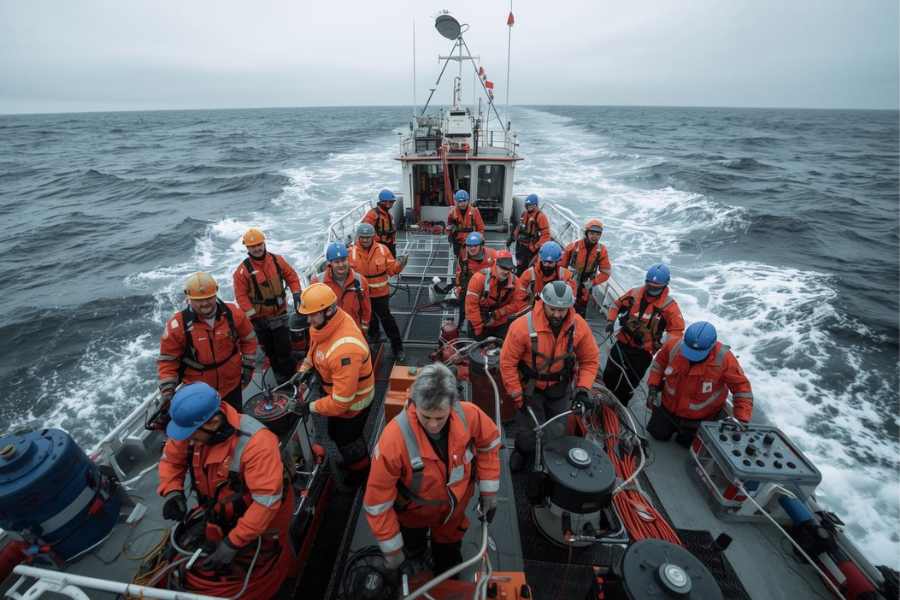
Crew boats are among the most recognisable workboats in the offshore sector. Their primary role is to transport personnel quickly and safely between shore bases and offshore installations. Modern crew boats are designed for speed, comfort and reliability.

They often feature stabilised hulls, shock‑mitigating seating and advanced navigation systems to ensure technicians arrive ready to work. In offshore wind, CTVs have become a category of their own, capable of safely “pushing on” to turbine landing platforms in challenging sea states. Crew boat crews must be highly skilled.

Captains navigate tight approaches and unpredictable weather, while deckhands manage transfers and cargo. Their ability to operate efficiently in demanding conditions makes them indispensable.

Mooring Boats: Specialists in Precision and Control
Mooring Boat

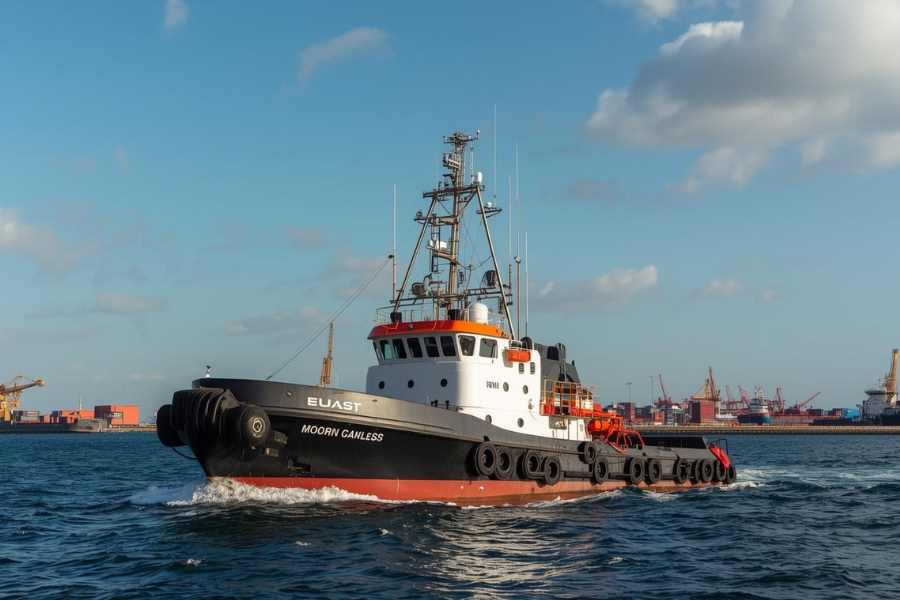
Mooring boats may not be as widely discussed as tugs or crew boats, but their role is critical. These vessels assist with positioning and securing offshore structures, barges and floating assets.

Their crews are experts in line handling, tensioning and working in close proximity to other vessels and equipment. Mooring operations require precision, communication and a deep understanding of vessel behaviour.

As offshore construction becomes more complex, mooring boats are evolving with improved winch systems, enhanced manoeuvrability and better onboard safety equipment.

Tug Boats: The Muscle of the Offshore World
Tug Boats

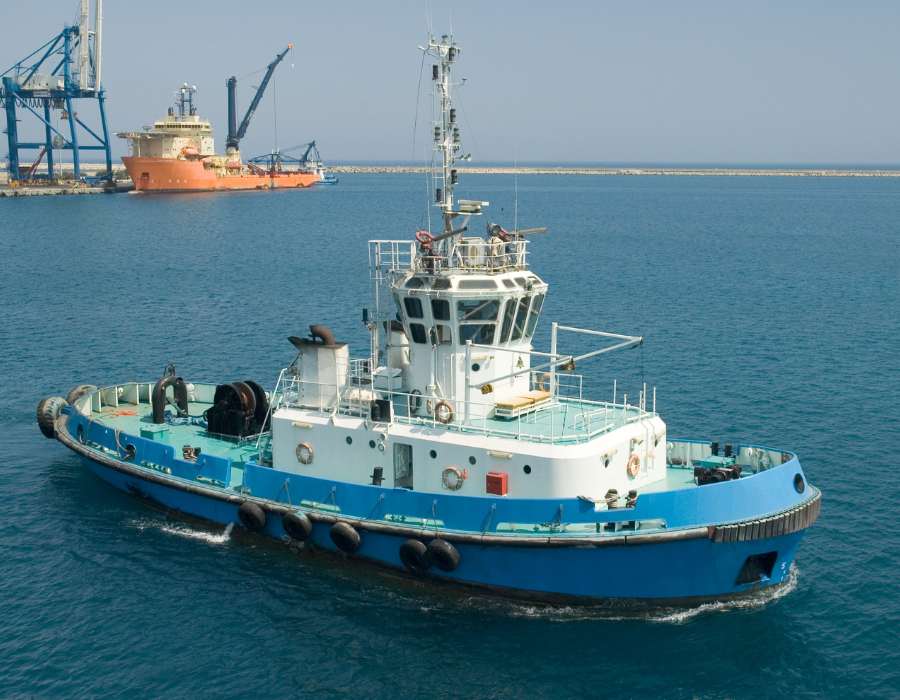
Tug boats are the powerhouses of the workboat family. They tow, push and position vessels and structures that dwarf them in size.

Modern offshore tugs are equipped with high‑horsepower engines, advanced winches and azimuth thrusters that allow exceptional manoeuvrability. They are essential during rig moves, barge positioning, port operations and emergency response. Tug crews are highly trained in towing dynamics, line handling and safety procedures.

Their work is physically demanding and often carried out in challenging conditions, yet they remain one of the most reliable assets in offshore operations. For updates on tug technology and global fleet activity, check out Maritime Journal.

Supply and Service Boats: The Offshore Lifeline

Offshore Supply Boat

Supply boats are the logistical backbone of offshore operations. They transport equipment, fuel, water, tools and consumables to offshore installations. These vessels come in many forms, from small multipurpose craft to larger offshore supply vessels (OSVs).

Workboat‑scale supply craft are particularly important in nearshore construction, aquaculture and smaller offshore wind projects. Their crews manage cargo operations, deck lifts, fuel transfers and safe navigation in busy offshore environments. As offshore projects expand, the demand for versatile supply boats continues to grow.

Technology Boats: The Future of Offshore Operations

Technology boats represent one of the fastest‑growing segments of the workboat market. These vessels support survey operations, environmental monitoring, subsea inspections and data collection. Equipped with sonar systems, ROVs, AUVs and advanced sensors, they play a crucial role in site assessment, construction planning and maintenance.

Some technology boats are now semi‑autonomous, reducing risk to personnel and increasing operational uptime. As offshore wind farms move further from shore, the need for high‑tech survey and inspection vessels will only increase.

For insights into offshore survey and technology trends, check out 4Coff Shore as it offers extensive project intelligence and vessel data.

The People Behind the Boats: Workboat Crew Roles

Behind every capable workboat is a crew whose versatility and skill make offshore operations possible. Their roles vary depending on the vessel type, but all share a common thread: adaptability. Captains are responsible for safe navigation and vessel operation. They often work with smaller teams than those on larger ships, meaning they take a hands‑on approach to manoeuvring, planning and communication.

Deckhands and deck officers handle mooring, towing, lifting and cargo operations. Their work requires precision, teamwork and a strong understanding of offshore safety.

Engineers maintain the vessel’s machinery, from engines and generators to electrical systems and digital controls. As propulsion systems become more advanced, engineers must be comfortable working across multiple disciplines.

Specialist crew members such as survey technicians, ROV pilots and environmental observers are increasingly common. Their expertise allows workboats to support a wider range of offshore activities without the need for larger vessels.

Market Trends Shaping the Future of Workboats

The workboat market is evolving rapidly, influenced by global energy trends, environmental regulation and technological progress.

Several key trends are shaping the sector’s future. Decarbonisation remains a major driver. Operators are increasingly required to demonstrate emissions reductions, and charterers are favouring vessels with hybrid systems, battery packs or alternative fuels.

Multipurpose capability is becoming essential. Offshore projects are more varied than ever, and operators want vessels that can switch between roles without costly modifications.

Digitalisation is reshaping fleet management. Real‑time performance monitoring, predictive maintenance and integrated operational planning tools are helping operators reduce downtime and improve safety.

Global expansion is another trend. Emerging markets in Asia, the Middle East and the Americas are investing heavily in offshore wind, aquaculture and coastal infrastructure. This growth is driving demand for modern workboats and experienced crews.

Conclusion: Recognising the Backbone of Offshore Operations

Workboats may not always capture the spotlight, but their contribution to the offshore world is undeniable. They are the vessels that make offshore projects possible, connecting people, equipment and ideas across vast stretches of ocean. Their crews are skilled, adaptable and dedicated, working at the sharp end of marine operations.

As the offshore sector continues to evolve, workboats will remain on the frontline, embracing new technologies, supporting new industries and rising to new challenges. They are the unsung heroes of the offshore world, and their story deserves to be told.


Liferafts International DiveCo Marine Civils Sealane Maritime Engineering
SubSalve USA Schwer Marine Fittings Hystat Hydraulic Cylinder Manufacturers BP Norse Marine Southbay Marine Services

Italy’s national seagrass project for ocean health

Monday, 19th January 2026

Italy has launched a first-of-its-kind national seagrass mapping project to protect and restore vital marine ecosystems. Led by ISPRA and funded by NextGenerationEU, the Marine Ecosystem Restoration (MER) project focuses on Posidonia oceanica, a Mediterranean seagrass species critical for carbon storage, biodiversity and coastal protection, but one that has declined by over 30% in the past 50 years.

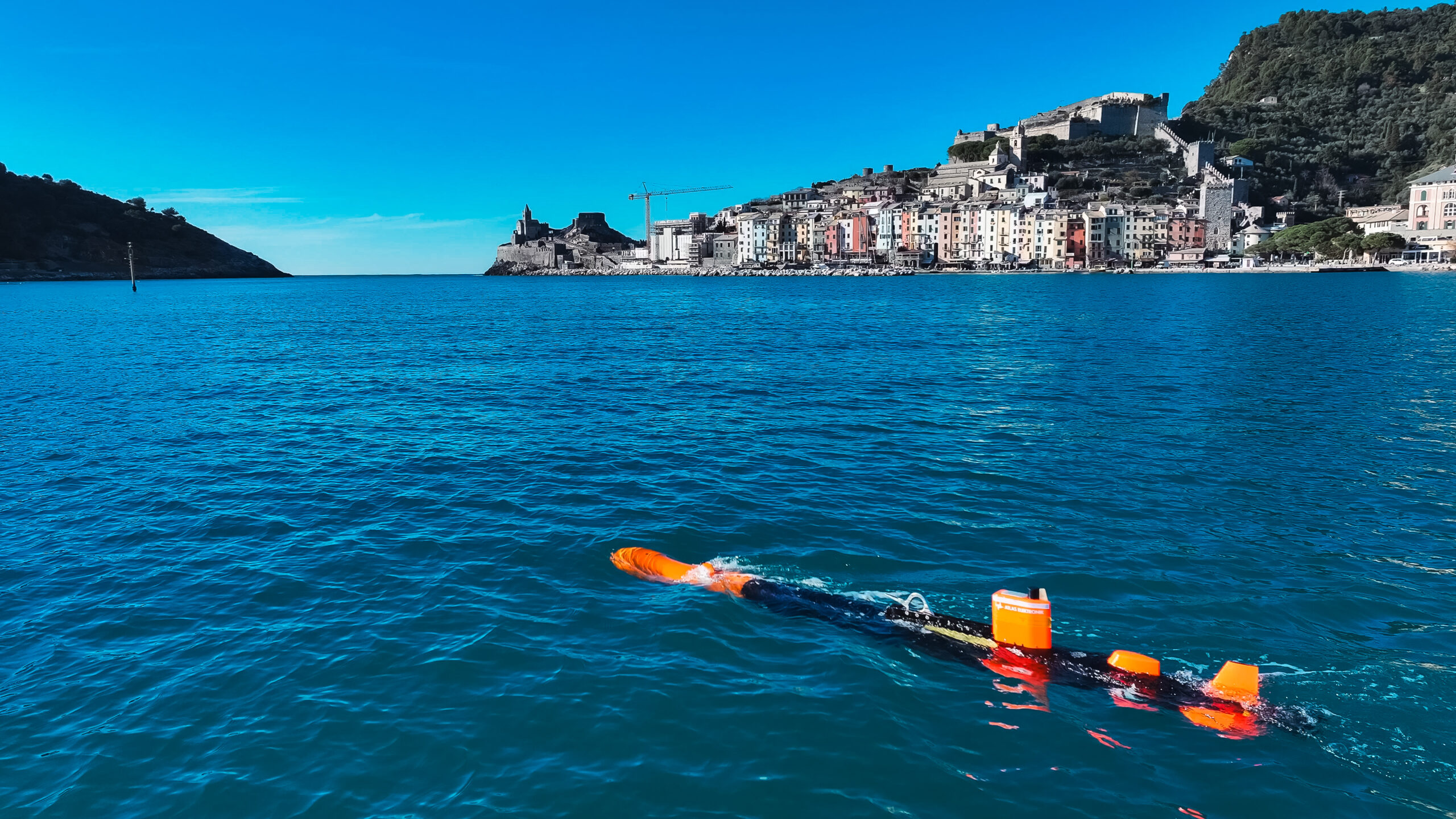
To address fragmented and incomplete data, Fugro, together with CGR, EOMAP and PlanBlue, is mapping Italy’s entire coastline. Using a combination of satellite data, airborne lidar, multibeam sonar and autonomous underwater vehicles, the project delivers a single, integrated view of shallow-water habitats—one of the largest mapping efforts of its kind in Europe.

The resulting high-resolution dataset helps public authorities, developers and conservation groups target restoration efforts, plan resilient infrastructure, secure funding and track environmental impact over time. By turning complex, multi-source data into actionable insights, the project reduces risk and supports smarter coastal decision-making.

More than a technical milestone, the MER project shows how national-scale data can drive meaningful action for ocean health, coastal resilience and Italy’s growing blue economy.

Visit Fugro at Oceanology International 2026 (Oi26) on Stand E600. The world’s leading forum for ocean science, engineering and technology returns to Excel London from 10th to 12th March 2026, connecting more than 8,000 attendees and with every continent in the world represented. For more information or to register, visit the Oi26 website.
Associated Exhibition:
Liferafts International DiveCo Marine Civils Sealane Maritime Engineering
SubSalve USA Schwer Marine Fittings Hystat Hydraulic Cylinder Manufacturers BP Norse Marine Southbay Marine Services

Breaking Down Seaplant’s Business Finder: A Guide to Finding the Right Marine Partners

Thursday, 15th January 2026

In the offshore marine industry, knowing who to work with can be just as important as knowing what needs to be done.

Whether you are planning a vessel build, sourcing specialist fabrication, arranging drydock repairs or looking for a niche service provider, the challenge is often the same: finding the right partner, at the right time, with the right capabilities.

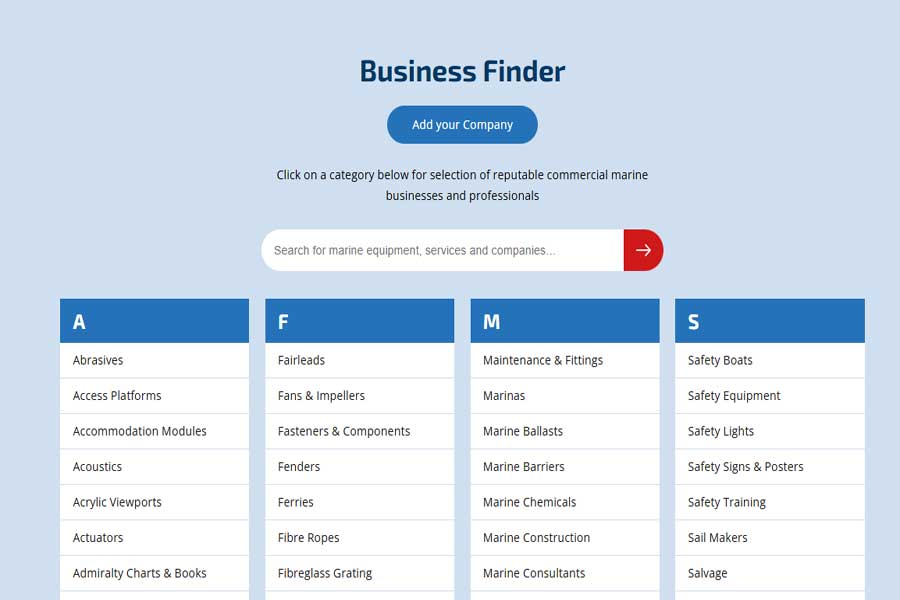
This is where Seaplant’s Offshore Marine Business Finder comes into its own, acting as a practical, industry-focused directory designed specifically for the offshore and marine sector.

Why Finding the Right Marine Partner Matters

Offshore Heavy lifting Crane

Offshore projects are complex, high-value and time-sensitive.

Choosing the wrong yard, supplier or contractor can lead to delays, cost overruns and operational risk. Equally, relying on word of mouth alone can limit options and overlook capable businesses that may be better suited to a specific job.

A structured directory allows decision-makers to research, compare and shortlist marine companies with confidence, helping projects move forward more efficiently.

What the Business Finder Is Designed to Do

Seaplant’s Business Finder is built to connect buyers and suppliers across the offshore marine ecosystem. It brings together shipyards, boat builders, marine engineers, fabricators, equipment suppliers, service providers and specialist contractors into one searchable platform.

Rather than being a generic business directory, it is focused entirely on the marine and offshore world, making the results more relevant and useful.

Understanding the Categories

Business Categories

One of the most powerful features of the Business Finder is its categorisation. Companies are grouped by the services and capabilities they offer, making it easier to narrow your search from the outset.

Whether you are looking for vessel construction, steel fabrication, lifting services, propulsion specialists, marine electrics or offshore support services, starting with the correct category helps you avoid wading through irrelevant results.

For users with a clear technical requirement, this structured approach saves valuable time.

Searching With Purpose

To get the most from the Business Finder, it helps to approach your search with a clear brief. Before you begin, consider what you actually need. Is it a full-service shipyard or a specialist subcontractor? Do you require on-site services, workshop-based fabrication or equipment supply only? Using these questions to guide your search makes it easier to identify suitable partners quickly and avoid shortlisting companies that are not a good fit.

Evaluating Company Profiles

Wind Farm Heavy Lifting

Each listing within the Business Finder provides insight into what a company does and where its strengths lie. Pay close attention to how businesses describe their services, the sectors they work in and the types of projects they typically support.

This information is invaluable when assessing whether a company has experience relevant to your own requirements, particularly in offshore renewables, workboats, commercial shipping or heavy marine civil projects.

Finding Shipyards and Vessel Builders

For those involved in newbuilds, refits or conversions, the Business Finder makes it easier to locate shipyards and boat builders with appropriate facilities.

Users can identify yards with experience in specific vessel types, such as workboats, patrol vessels, offshore support craft or pontoons. This is particularly useful when projects require specialist capabilities, lifting capacity or access to certain geographical regions.

Sourcing Fabricators and Engineering Specialists

Pontoons

Marine fabrication and engineering are rarely one-size-fits-all. The directory allows users to identify fabricators skilled in steel, aluminium or specialist materials, as well as companies offering mechanical, structural or marine engineering services.

This is ideal for project managers looking to build a supply chain around a central project, selecting the right partners for each stage rather than relying on a single supplier.

Connecting With Marine Suppliers

Beyond yards and engineers, the Business Finder also supports the sourcing of marine equipment and consumables.

From propulsion and deck machinery to safety equipment and specialist systems, users can discover suppliers who understand the demands of offshore operations. This helps ensure that components are not only available but also suitable for the harsh conditions they will face.

Supporting Offshore Renewables and Marine Civils Marine Engineers Lifting Project

As offshore wind, tidal and marine civil projects continue to grow, the need for specialist support services has increased.

The Business Finder reflects this shift by including companies involved in offshore construction, maintenance, inspection and support operations. Contractors, vessel operators and developers can all benefit from a clearer view of the supply chain that underpins these large-scale projects.

Using Location to Your Advantage

Geography still matters offshore. Mobilisation costs, travel time and local knowledge can all influence project success.

By reviewing where companies are based and where they operate, users can make more informed decisions about logistics and suitability.

This is especially valuable for time-critical work or projects requiring ongoing local support.

Building Long-Term Relationships

Marine Engineers

While the Business Finder is a powerful tool for sourcing suppliers for individual projects, it is equally valuable for building long-term relationships.

Regular users can discover new partners, keep track of capable businesses and broaden their professional network. Over time, this creates a more resilient and flexible supply chain, better able to respond to changing market conditions.

Making the Most of the Platform

Offshore Marine Business-Finder

To get the best results, treat the Business Finder as an active research tool rather than a one-off search.

Revisit categories as project needs evolve, explore new listings and keep an eye on companies expanding their capabilities.

The offshore marine industry is constantly changing, and the most successful operators are those who stay informed and adaptable.

Final Thoughts

Seaplant’s Business Finder is more than just a directory; it is a practical resource designed around how the offshore marine industry actually works.

By using its categories, company profiles and focused search approach, users can save time, reduce risk and make better-informed decisions when sourcing marine partners.

In an industry built on collaboration, having clear visibility of who does what, and where, is a powerful advantage.

Liferafts International DiveCo Marine Civils Sealane Maritime Engineering
Seaplant Marine & Offshore Magazine

Join us

Our commercial marine magazine is designed to provide the perfect place for buyers and sellers of marine equipment and services to find each other.  Provide us with your name and address to receive your copy every month and upload your details to our website to be part of the Seaplant marine Business Finder.

add your company