SubSalve USA Schwer Marine Fittings Hystat Hydraulic Cylinder Manufacturers BP Norse Marine Southbay Marine Services

Seaplant’s Supplier Network Explained: Why Quality Matters in Marine Components

Thursday, 6th August 2026

Marine operations depend on components that perform reliably under heavy load, long duty cycles and harsh environmental conditions.

Marine components such as engines, hydraulics, mooring gear and propulsion systems must withstand vibration, corrosion, shock loading and continuous exposure to seawater.

When a single component fails, the impact is immediate: downtime increases, charter schedules slip, fuel consumption rises, and repair costs escalate.

Seaplant’s supplier network exists to prevent these failures by connecting operators with trusted manufacturers, certified distributors and specialist marine engineering companies who understand the demands of offshore and commercial shipping.

Why Component Quality Defines Operational Reliability
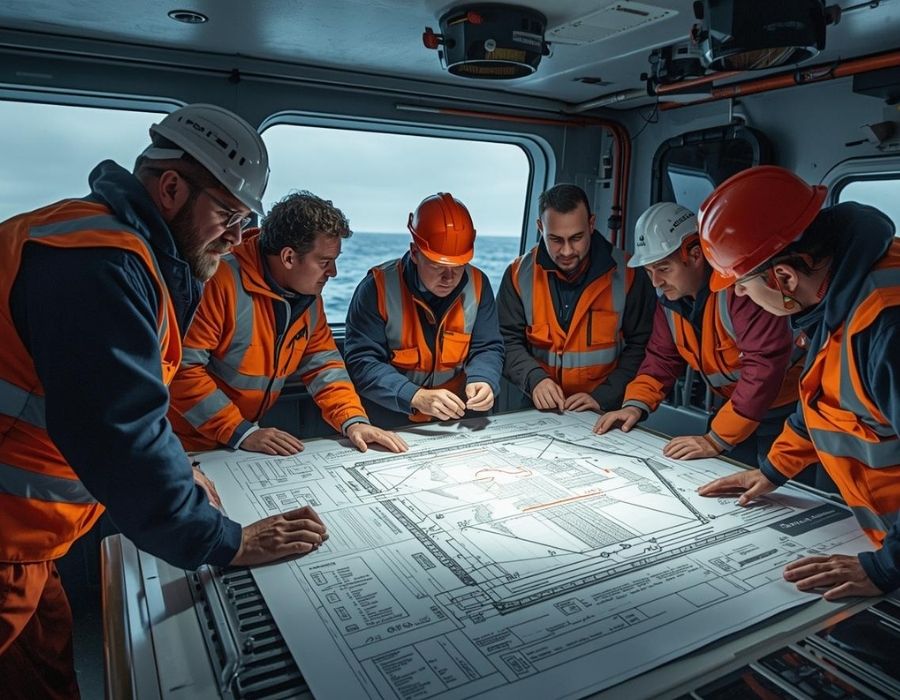
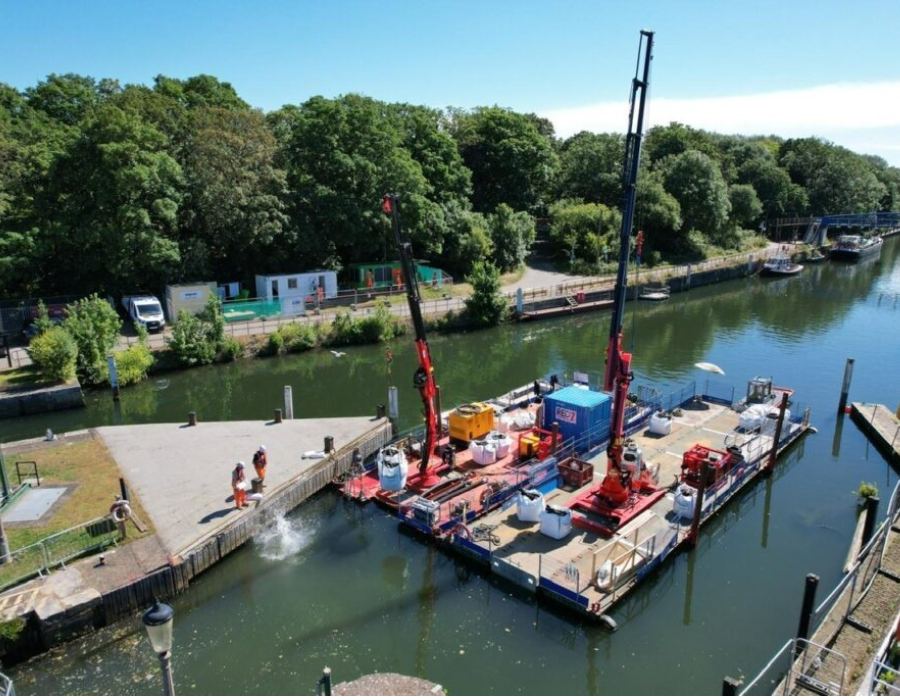
Marine Engineers Lifting Project

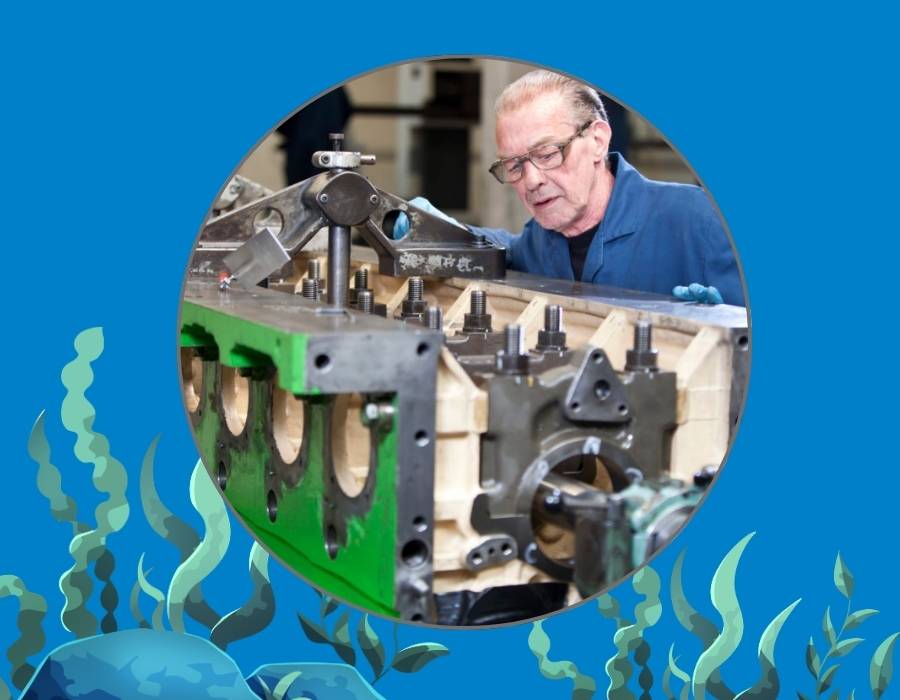
Marine components operate in conditions that push equipment to its limits. Engines run for thousands of hours between overhauls.

Hydraulic systems power cranes, winches and steering gear under constant pressure. Mooring equipment absorbs dynamic loads from waves, wind and vessel movement. Low‑quality components introduce risk at every stage.

A poorly machined injector can reduce engine efficiency. A substandard hydraulic hose can burst under pressure. An uncertified shackle can fail during a heavy‑lift operation.

Quality is not a luxury in the marine sector. It is a direct contributor to vessel safety, uptime and long‑term cost control.

How Seaplant’s Supplier Network Supports Marine Operators
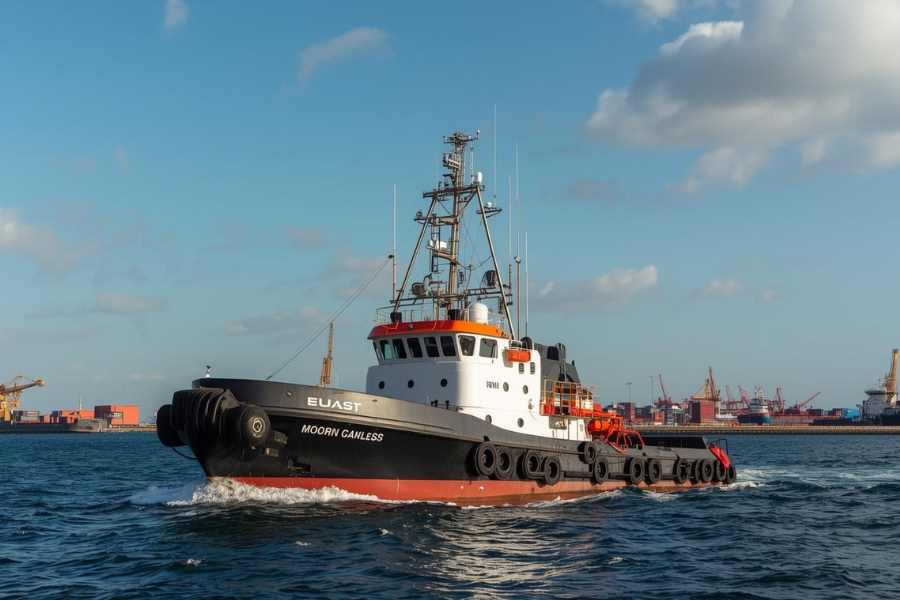
Mooring Boat

Seaplant’s network brings together suppliers who specialise in critical marine components.

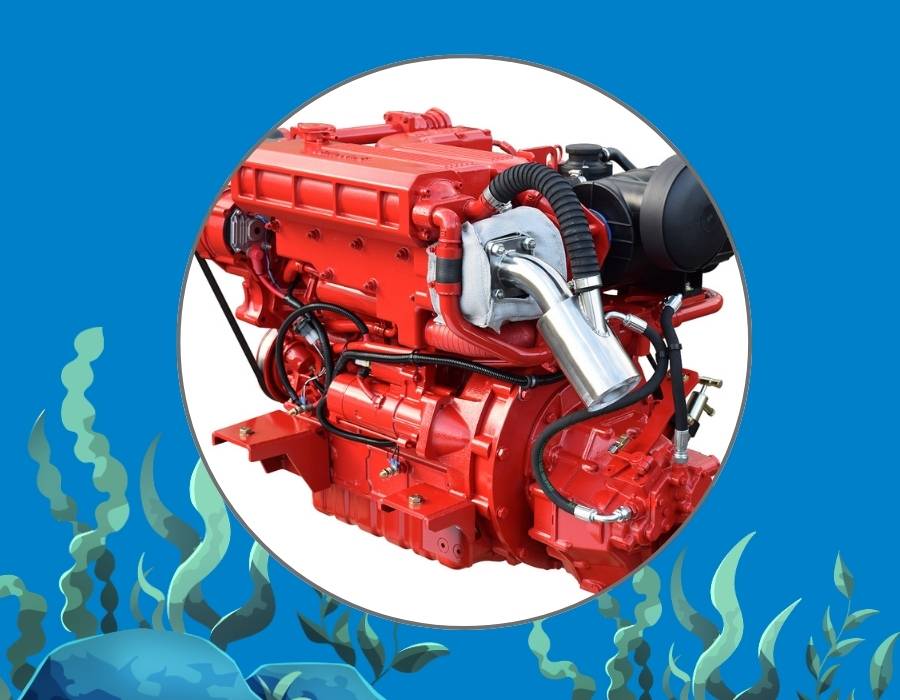
  • Marine engines — OEMs and certified distributors supplying diesel engines, spares, turbochargers, fuel systems and cooling components. • Hydraulic systems — Suppliers of pumps, valves, hoses, cylinders and power‑pack assemblies for deck machinery and steering gear.
  • Mooring gear — Providers of anchors, chain, shackles, tensioners, winches and load‑monitoring systems.
  • Propulsion components — Specialists in propellers, shafts, seals and underwater repair services.
  • Electrical and control systems — Companies supplying switchboards, sensors, automation equipment and monitoring systems.

Each supplier is selected for technical capability, product quality, certification standards and proven experience in marine environments.

Reducing Downtime Through Better Component Selection

Downtime is one of the most expensive risks in offshore and commercial operations.

High‑quality components reduce downtime by preventing failures before they occur.

  • Engines — OEM‑certified injectors, pumps and turbocharger parts maintain fuel efficiency and reduce the risk of unplanned shutdowns.
  • Hydraulics — High‑pressure hoses, corrosion‑resistant valves and precision‑machined cylinders prevent leaks and maintain consistent performance.
  • Mooring gear — Certified shackles, high‑grade chain and engineered anchors reduce the risk of drag events and mooring failures.
  • Propulsion systems — Balanced propellers, high‑quality seals and class‑approved shaft components reduce vibration and prevent water ingress. Choosing the right supplier ensures components meet class requirements, withstand environmental loads and integrate correctly with existing systems.

Cost Reduction Through Long‑Term Reliability
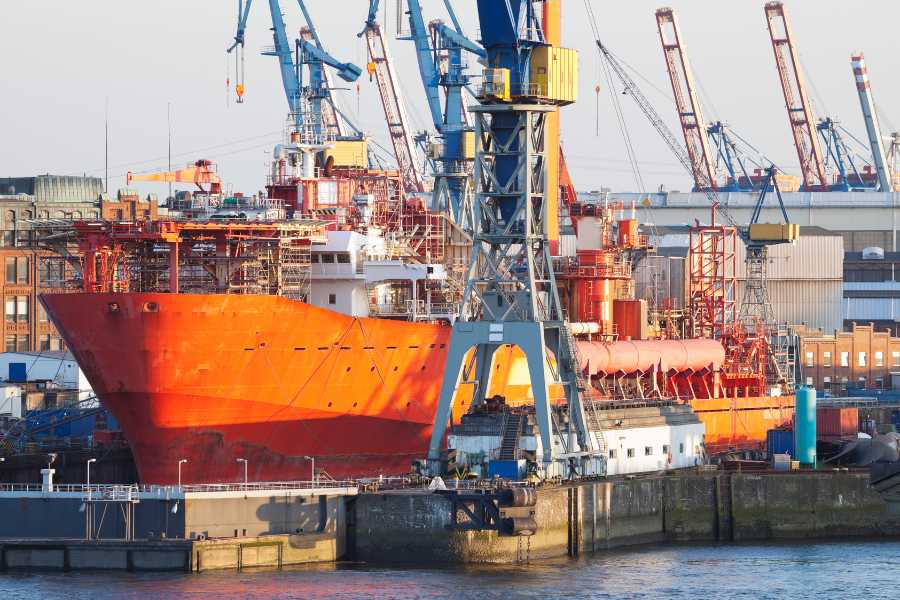
Fleet Maintenance

Marine operators often focus on upfront cost, but long‑term reliability delivers far greater savings.

High‑quality components reduce fuel consumption, extend service intervals and minimise emergency repairs.

  • A well‑matched injector improves combustion efficiency.
  • A corrosion‑resistant hydraulic valve reduces replacement frequency.
  • A certified shackle prevents catastrophic mooring failure.
  • A precision‑machined propeller reduces vibration and bearing wear.

These savings accumulate across the vessel’s lifecycle, reducing total cost of ownership and improving operational predictability.

Why Certification and Traceability Matter

Marine components must meet standards set by organisations such as DNV, Lloyd’s Register and Bureau Veritas.

Certification ensures materials, machining and performance meet industry requirements. Traceability protects operators during audits, inspections and warranty claims.

Seaplant’s suppliers provide documentation that verifies origin, material grade, testing results and compliance with class rules.

This reduces risk and ensures components can be installed without compromising vessel certification.

Supporting Offshore, Commercial and Marine‑Construction Sectors
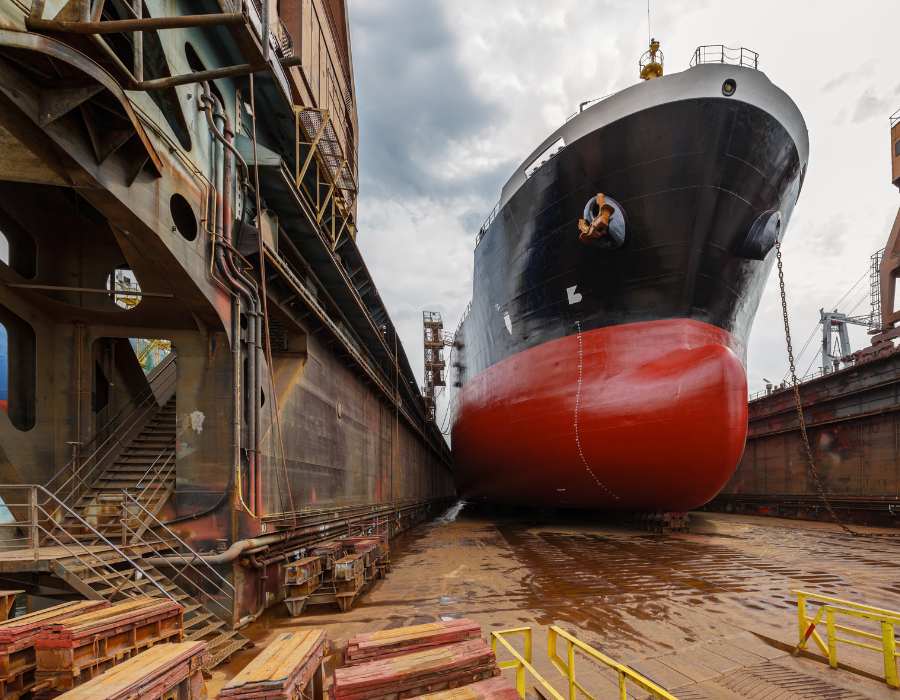
Cargo Ship Launch

Seaplant’s supplier network supports a wide range of marine operations.

  • Offshore energy — DP vessels, PSVs, construction ships and cable‑laying vessels rely on high‑quality engines, hydraulics and mooring gear.
  • Commercial shipping — Tankers, bulk carriers, container ships and Ro‑Ro vessels depend on reliable propulsion and deck machinery.
  • Marine construction — Barges, jack‑ups and workboats require robust hydraulic systems, anchors and structural components.
  • Fishing and coastal fleets — Smaller vessels benefit from dependable engines, steering gear and deck equipment.

Each sector has unique operational demands, and Seaplant’s suppliers understand how to match components to vessel type, duty cycle and environmental conditions.

The Role of Preventive Maintenance and Spare‑Part Planning

High‑quality components support preventive maintenance strategies by providing predictable performance and longer service intervals.

Marine engineers can plan inspections, replacements and overhauls more accurately when components behave consistently.

  • OEM‑certified engine spares support condition‑based monitoring.
  • High‑grade hydraulic components reduce leak‑related downtime.
  • Certified mooring gear supports long‑term load‑monitoring programmes.

Reliable components make maintenance more efficient and reduce the need for emergency interventions.

How Seaplant’s Network Helps Operators Make Better Decisions

Marine Engineers Shipbuilders

Marine operators often face complex decisions when selecting components.

Seaplant’s supplier network simplifies this process by providing access to companies with proven capability, technical expertise and industry‑specific knowledge.

  • Suppliers understand class requirements.
  • They provide documentation and traceability.
  • They offer technical support and installation guidance.
  • They supply components designed for marine environments.

This reduces procurement risk and ensures operators receive equipment that performs reliably under real‑world conditions.

Takeaway

Quality in marine components is not optional. It is a direct contributor to vessel safety, operational uptime and long‑term cost control.

Engines, hydraulics, mooring gear and propulsion systems must be sourced from suppliers who understand the demands of offshore and commercial marine operations.

Seaplant’s supplier network connects operators with trusted companies who deliver certified, reliable and technically robust components.

By choosing the right suppliers, marine operators reduce downtime, lower costs and protect the long‑term performance of their vessels and equipment.

Join Us Today

Seaplant Marine & Offshore Magazine

If you operate within the offshore, marine, subsea or coastal‑engineering sectors and want your company positioned where the industry is actively searching for suppliers, joining the Seaplant Exchange directory is one of the most effective ways to increase your visibility. We are an influential and long‑established magazine and website dedicated to companies supplying offshore and marine equipment, services and specialist expertise.

Seaplant’s reach continues to grow every year. Our printed monthly magazine is delivered to 6,500 subscribers, while our digital audience now exceeds 20,000 active users. Combined with more than 250,000 annual website visits, Seaplant Exchange has become a trusted platform used by vessel operators, procurement teams, shipyards, engineering firms and marine contractors to source the products and services they need.

Your listing appears both in our high‑traffic online directory and in our respected printed magazine, ensuring consistent exposure across digital and physical channels. This dual presence places your business directly in front of the professionals who make offshore projects happen — the buyers, engineers and decision‑makers actively searching for reliable suppliers.

To join the network, simply contact us at info@seaplant.com or click this link to submit your details. If you want your company placed in front of the right audience — the professionals who make offshore projects happen — Seaplant is the place to be.

Liferafts International DiveCo Marine Civils Sealane Maritime Engineering
SubSalve USA Schwer Marine Fittings Hystat Hydraulic Cylinder Manufacturers BP Norse Marine Southbay Marine Services

How Modular Marine Structures Are Transforming Coastal Construction Projects

Thursday, 6th August 2026

Modular marine structures have become one of the most significant advancements in coastal construction, reshaping how engineers, contractors and marine operators deliver complex waterfront and near‑shore projects.

Their flexibility, rapid deployment and predictable performance allow teams to work efficiently in environments where traditional fixed infrastructure is impractical or too slow to install.

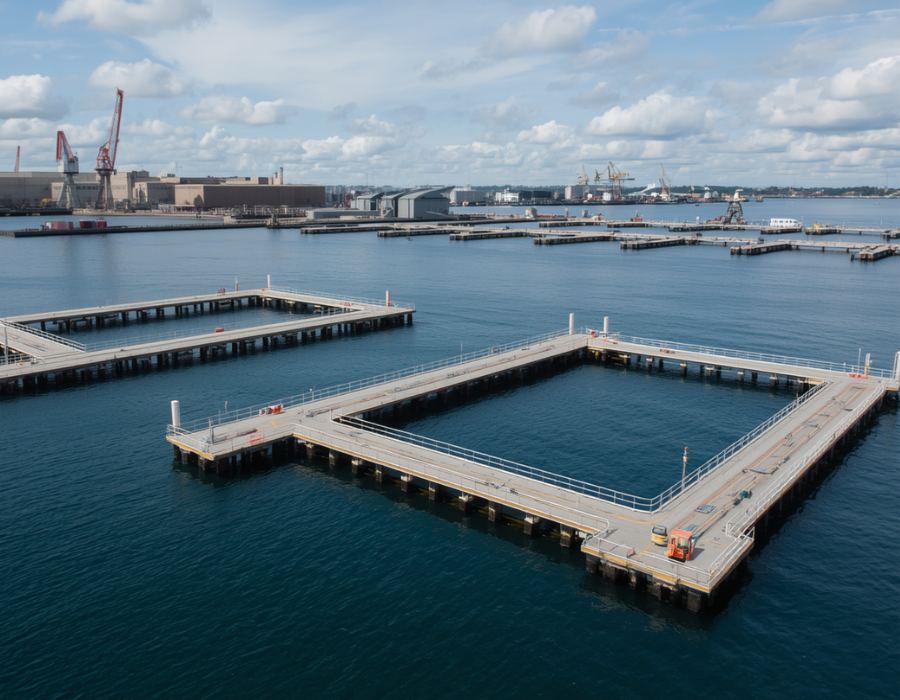
Pontoons, floating platforms and temporary marine works now form a core part of modern marine engineering, supporting everything from port upgrades to offshore energy interface projects.

Why Modular Marine Structures Are Changing Coastal Engineering

Coastal construction presents challenges that land‑based civil engineering does not. Tidal cycles restrict working hours. Seabed conditions vary dramatically over short distances. Access for heavy plant is often limited.

Weather windows can close without warning. Modular marine structures solve these problems by providing stable, configurable working surfaces that can be assembled, expanded or repositioned as the project evolves. Their adaptability reduces downtime, improves safety and allows contractors to maintain productivity even in dynamic marine environments.

Core Types of Modular Marine Structures

Modular systems come in several forms, each designed for specific operational needs.

  • Pontoons — Interlocking buoyant units that create stable floating surfaces for cranes, lifting operations, workboats and temporary berthing.
  • Floating platforms — Larger modular assemblies used for staging equipment, supporting cable landings, providing marine access and hosting temporary workspaces.
  • Temporary marine works — Structures such as floating walkways, jack‑up platforms, modular bridges, temporary quays and marine access pontoons that support short‑term operations without permanent seabed impact.

Each system is engineered to deliver predictable load behaviour, certified buoyancy and compatibility with marine plant, lifting equipment and mooring arrangements.

Engineering Advantages for Coastal Construction Teams

Marine Quays

Modular marine structures offer several engineering benefits that directly improve project efficiency.

  • Rapid mobilisation — Components arrive pre‑engineered and ready for assembly, reducing setup time.
  • Configurable layouts — Platforms can be expanded, reshaped or repositioned to match project phases.
  • Stable working surfaces — Certified buoyancy and structural integrity support cranes, winches and heavy tools.
  • Reduced vessel movements — Contractors can work from a fixed floating base rather than relying on constant boat transfers.
  • Improved tidal access — Platforms maintain consistent elevation relative to the waterline, allowing work during more of the tidal cycle.
  • Enhanced safety — Controlled access routes, handrails, anti‑slip surfaces and engineered stability reduce risk.

These advantages allow marine contractors to maintain productivity even when working around quay walls, breakwaters, jetties, dolphins or shoreline structures.

Applications Across Coastal and Offshore Projects

Modular systems are now used across a wide range of marine engineering tasks.

  • Cable landing works — Floating platforms support near‑shore cable installation, jointing and protection.
  • Quay‑wall refurbishment — Pontoons provide access for fender replacement, concrete repair and structural strengthening.
  • Piling operations — Modular platforms support piling rigs and temporary works in areas with limited land access.
  • Dredging support — Floating structures host survey teams, monitoring equipment and temporary storage.
  • Offshore wind interface works — Platforms assist with transition structure access, near‑shore logistics and temporary staging.
  • Environmental monitoring — Modular units host sensors, sampling equipment and research teams.
  • Temporary berthing — Pontoons create short‑term berths for workboats, barges and crew transfer vessels.

Their versatility allows contractors to adapt quickly to changing project requirements without major redesigns or delays.

Environmental and Regulatory Benefits

Modular marine structures minimise seabed disturbance because they do not require permanent foundations. This reduces ecological impact and simplifies regulatory approval. Their reusability supports sustainability goals and lowers long‑term project costs. Many coastal authorities now prefer modular systems for temporary works because they reduce environmental footprint and allow rapid demobilisation once the project is complete.

How Modular Systems Improve Project Scheduling

Modular Marine Structures

Coastal construction often depends on narrow weather windows and tidal cycles. Modular structures help teams maximise these windows by providing stable access and reducing reliance on vessel transfers. Contractors can position platforms exactly where they are needed, reducing travel time and improving workflow continuity. When project phases shift, the platforms can be relocated without major disruption.

Integration with Mooring and Stability Systems

Modular structures integrate with a range of mooring solutions, including anchors, spud legs and hybrid mooring systems.

Offshore professionals value the ability to maintain stability in dynamic conditions.

  • Spud legs provide vertical stability for jack‑up platforms.
  • Anchors maintain horizontal positioning for floating pontoons.
  • Hybrid systems combine DP assistance with mooring spreads for precise control. This integration ensures platforms remain safe and stable even during heavy‑load operations or in areas with strong currents.

Material and Structural Considerations

Modern modular systems use high‑strength steel, reinforced composite materials and corrosion‑resistant coatings designed for long‑term marine exposure. Engineers evaluate:

  • Load capacity
  • Buoyancy characteristics
  • Fatigue behaviour
  • Connection integrity
  • Anti‑corrosion performance
  • Compatibility with lifting and access equipment.

These considerations ensure platforms perform reliably across multiple projects and environmental conditions.

Why Modular Marine Structures Are Becoming Industry Standard

The shift toward modular systems reflects broader changes in coastal engineering. Projects are becoming more complex, environmental regulations more stringent and operational windows more limited.

Modular structures offer a practical solution that aligns with modern project demands. Their ability to support heavy equipment, provide safe access and adapt to changing conditions makes them indispensable for marine contractors, port authorities and offshore energy developers.

Takeaway

Modular marine structures are transforming coastal construction by providing flexible, safe and efficient working platforms that adapt to the challenges of marine environments.

Pontoons, floating platforms and temporary marine works now play a central role in modern engineering, enabling faster delivery, reduced risk and greater operational control across the entire project lifecycle.

As coastal and offshore infrastructure continues to expand, modular systems will remain one of the most valuable tools available to marine professionals.


Liferafts International DiveCo Marine Civils Sealane Maritime Engineering
SubSalve USA Schwer Marine Fittings Hystat Hydraulic Cylinder Manufacturers BP Norse Marine Southbay Marine Services

The Global Supply Chain Behind Marine Diesel Engine Spares — And Why It Matters

Thursday, 2nd July 2026

Marine diesel engines remain the backbone of global shipping, offshore support operations and heavy marine construction.

Their reliability depends on a supply chain that stretches across continents, OEM networks, class societies, logistics hubs and specialist service providers.

For technical managers, chief engineers and fleet operators, understanding how this supply chain works is essential for maintaining uptime, protecting assets and meeting compliance requirements.

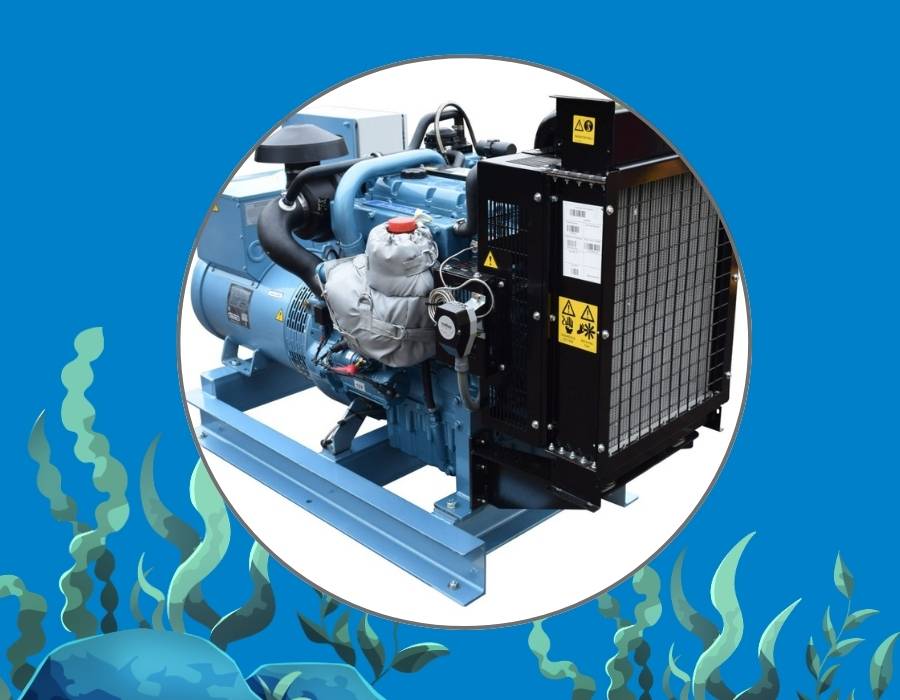
Marine Diesel Engine

Why Diesel Engine Spares Are a Supply Chain Priority

Marine diesel engines operate under extreme loads, long duty cycles and harsh environmental conditions. Components such as injectors, pistons, liners, turbocharger parts, pumps and cooling‑system elements must meet strict tolerances.

Organisations like the International Maritime Organisation and IACS set regulatory frameworks that influence emissions, safety and maintenance standards.

When spares are delayed, unavailable or non‑compliant, the operational impact is immediate. Offshore vessels lose charter time. Cargo vessels miss port windows. Fuel efficiency drops. Engine wear accelerates. The supply chain is not a background process. It is a core operational function.

How the Global Diesel Engine Spares Network Operates

The supply chain behind marine diesel engine spares is built on several interconnected layers.

  • OEM manufacturing centres in Europe and Asia
  • Certified distributors in major maritime hubs
  • Class‑approved workshops for reconditioning
  • Global logistics partners managing bonded storage
  • Technical service teams supporting installation and troubleshooting

High‑authority OEMs such as MAN Energy Solutions, Wärtsilä, Caterpillar Marine and Yanmar Marine anchor the supply chain with documented quality control and traceability. Their components move through certified channels to ensure compliance with class societies like Lloyd’s Register and Bureau Veritas Marine.

Marine Diesel Engine

Traceability, Certification and Compliance

Professionals in the offshore and commercial sectors know that documentation is as important as the part itself. Class societies require proof of origin, material certificates and service records. Without traceability, a spare part becomes a compliance risk. Reputable suppliers maintain digital tracking systems, serial‑number verification and OEM‑approved documentation. This protects operators during audits, PSC inspections and warranty claims.

Lead Times, Stockholding and Global Mobilisation

Marine diesel engine spares often need to reach vessels operating far from major ports.

Lead times depend on:

  • OEM production schedules
  • Regional stock availability
  • Customs clearance
  • Bonded warehouse access
  • Air‑freight capacity
  • Local agent performance

A single delay can disrupt an entire offshore campaign. This is why operators rely on suppliers with multi‑region stockholding, 24/7 mobilisation and strong logistics capability.

Logistics partners such as Kuehne+Nagel and DHL Global Forwarding play a major role in moving critical spares quickly.

Counterfeit Risk and the Need for Trusted Channels

Counterfeit diesel engine spares remain a documented threat. Reports from InterManager and IACS highlight the operational and safety risks associated with non‑genuine components.

A counterfeit injector or bearing can cause catastrophic engine failure. Trusted suppliers mitigate this risk through OEM partnerships, controlled distribution channels and strict quality assurance.

Marine Diesel Engine

Reconditioning and the Circular Supply Chain

Reconditioned diesel engine components are essential for cost control and operational continuity. Turbochargers, cylinder heads, fuel pumps and water‑cooled parts are routinely overhauled by class‑approved workshops. High‑DA technical authorities such as Kongsberg Maritime and Rolls‑Royce Marine publish guidelines on acceptable reconditioning standards. When done correctly, reconditioned parts meet OEM tolerances and extend asset life while supporting sustainability targets.

Digitalisation and Predictive Spare‑Part Planning

Digital fleet‑management systems are reshaping the diesel engine spares supply chain. Condition‑based monitoring, remote diagnostics and predictive maintenance tools from companies like ABB Marine & Ports and Wärtsilä Expert Insight allow operators to forecast spare‑part demand before failures occur. This reduces emergency orders, improves planning and lowers operational risk.

Why Supplier Selection Is a Strategic Decision

For marine professionals, choosing the right supplier is not a procurement task. It is a risk‑management decision.

The best suppliers offer:

  • OEM‑certified diesel engine spares
  • Global stock availability
  • 24/7 mobilisation
  • Class‑approved documentation
  • Technical support
  • Transparent traceability
  • Strong logistics capability

The Seaplant directory provides access to vetted suppliers who understand the demands of offshore and commercial marine operations.

Takeaway

The global supply chain behind marine diesel engine spares is a critical part of vessel reliability, operational safety and compliance.

Offshore and commercial operators depend on suppliers who deliver genuine parts, maintain the integrity of documentation, and mobilise quickly across regions.

As diesel engines evolve and regulatory pressure increases, the importance of a strong, trusted supply chain will only grow. For shipowners, fleet managers and technical teams, investing in reliable suppliers is essential to protecting assets, schedules and long‑term operational performance.

Liferafts International DiveCo Marine Civils Sealane Maritime Engineering
SubSalve USA Schwer Marine Fittings Hystat Hydraulic Cylinder Manufacturers BP Norse Marine Southbay Marine Services

Beyond the Bow: How Anchor Systems Support Modern Mooring Operations

Thursday, 2nd July 2026

Anchor systems remain one of the most critical components in offshore marine operations, even as vessels, projects and environmental demands continue to scale upward.

For professionals working offshore, anchors are not simply holding tools. They are engineered load‑management assets that influence station‑keeping performance, operational efficiency and overall project safety.

Modern mooring strategies rely on predictable anchor behaviour, accurate seabed interaction and equipment that performs consistently under dynamic loads.

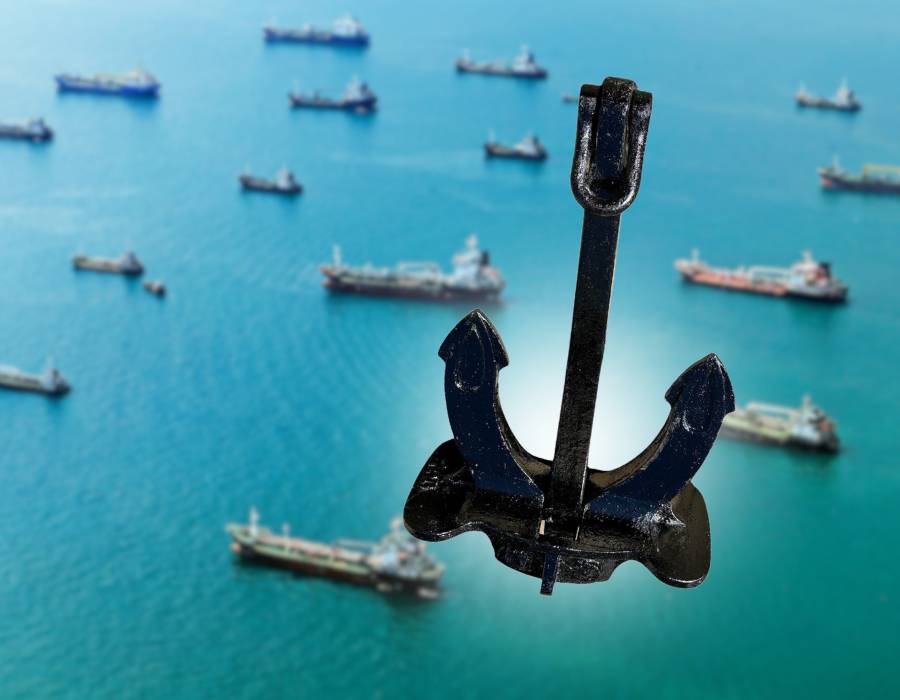
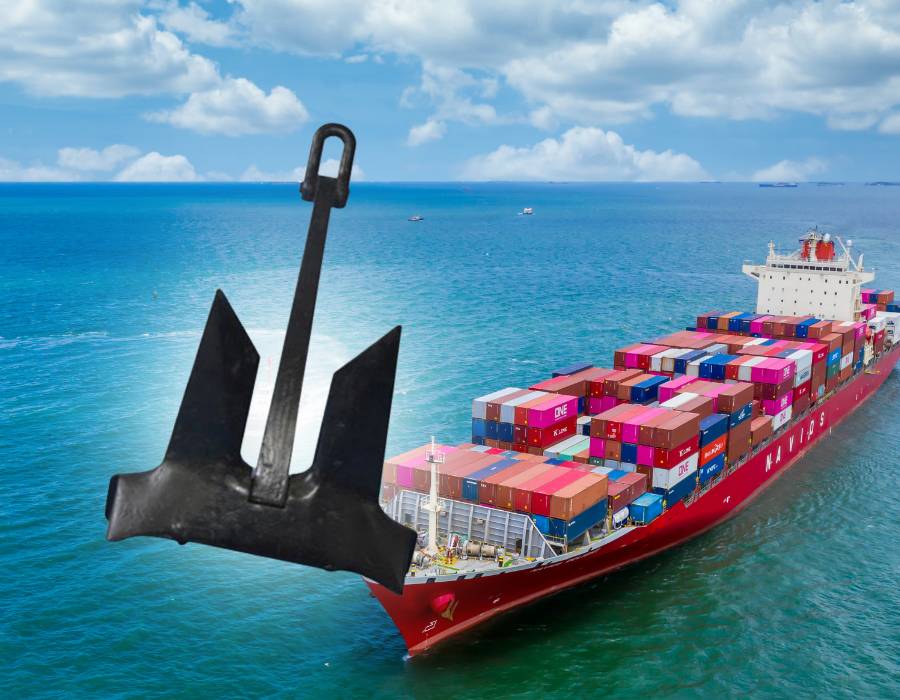
AC14 Anchor

Why Anchor Systems Still Define Operational Stability

In offshore construction, cable installation, dredging, geotechnical work and heavy‑lift operations, positional accuracy is non‑negotiable.

Thruster‑only station‑keeping increases fuel burn, accelerates equipment fatigue and introduces unnecessary risk. Anchors reduce these variables.

They stabilise barges during crane lifts, support hybrid DP setups, maintain heading during subsea operations and provide redundancy when environmental conditions shift.

For operators managing tight tolerances, the anchor spread is often the deciding factor between operational continuity and forced downtime.

Modern Anchor Designs for Demanding Seabeds

Today’s offshore environments require anchors that perform reliably across varied seabed conditions.

High‑holding‑power designs, optimised fluke geometry and improved penetration characteristics allow anchors to achieve secure embedment in mud, clay, sand and mixed seabeds.

Offshore professionals increasingly rely on high‑holding‑power anchors for marine construction spreads, while plough‑type anchors remain standard for long‑term mooring and cable‑related work.

Material improvements, including high‑grade steels and corrosion‑resistant coatings, extend service life and reduce inspection frequency.

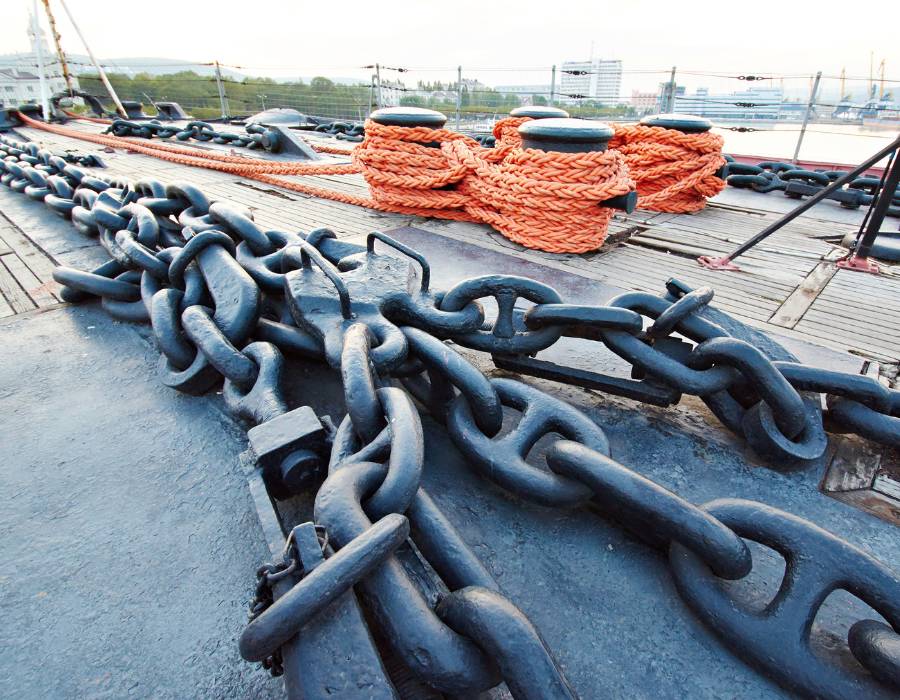
Anchor Chains

Chain, Connectors and Load Path Integrity

The anchor is only one part of the system. Chain grade, stud‑link configuration, connector selection and tension‑management hardware determine how the load is distributed.

Offshore teams routinely assess:

• Break load vs working load

• Corrosion rates in high‑salinity regions

• Fatigue behaviour under cyclic loading

• Compatibility with winches and fairleads

• Inspection intervals and NDT requirements

A well‑designed load path reduces shock loading, improves anchor set performance and ensures predictable behaviour during peak environmental forces.

Anchor Handling and Deployment Precision

Anchor handling remains a specialist discipline. AHVs, winch operators and deck crews must coordinate deployment angles, catenary profiles and tension levels with precision.

Poor deployment reduces holding power and increases drag risk. Offshore professionals rely on seabed survey data, real‑time tension monitoring and pre‑defined anchor patterns to ensure correct placement.

In offshore wind construction, for example, eight‑point mooring spreads are positioned with metre‑level accuracy to support heavy‑lift operations around foundations and transition pieces.

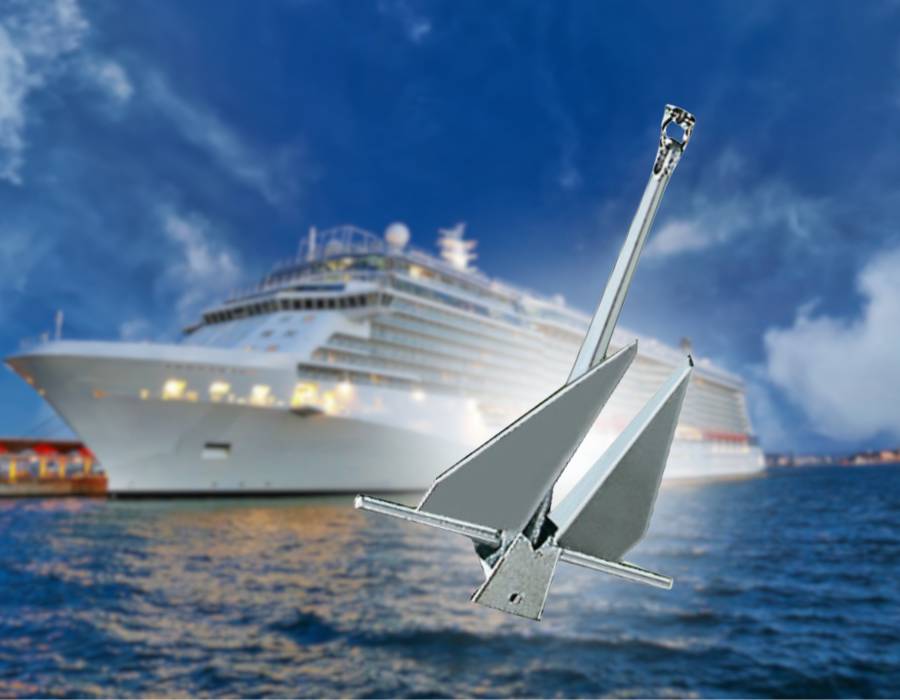
Cruise Ship Anchor

Operational Scenarios Where Anchors Are Critical

Offshore professionals encounter anchor‑dependent operations daily.

• Construction barges stabilised during monopile or jacket installation

• Cable‑laying vessels maintain straight‑line tension during burial

• Dredgers holding position during high‑load excavation

• Geotechnical vessels maintaining heading during coring operations

• Survey vessels requiring low‑drift positioning for long acquisition runs

• Floating assets using anchors as part of hybrid mooring or DP‑assist systems

Each scenario demands a tailored anchor spread, correct chain length and accurate tension management.

Seabed Interaction and Predictive Performance

Professionals understand that seabed variability is one of the biggest challenges in mooring. Modern operations rely on geophysical and geotechnical data to predict anchor penetration depth, holding capacity and breakout resistance.

Tools such as seabed surveys and soil sampling inform anchor selection and reduce the risk of drag events. Predictive models help operators plan anchor spreads that maintain integrity even under shifting environmental loads.

Inspection, Maintenance and Lifecycle Management

Anchor systems require structured lifecycle management.

Offshore teams routinely perform:

• Visual inspections for deformation or wear

• NDT on critical load‑bearing components

• Chain measurement and corrosion assessment

• Connector replacement based on fatigue cycles

• Load testing after refurbishment

A disciplined maintenance regime ensures anchors perform consistently across multiple campaigns and reduces the likelihood of unplanned recovery operations.

Why Supplier Selection Matters

Professionals know that anchor performance is directly tied to supplier capability. Reliable suppliers provide certified equipment, documented load ratings, traceable materials and support for installation planning.

The Seaplant directory offers access to trusted anchor and mooring specialists who understand offshore requirements and supply equipment suited to construction, wind, subsea and heavy‑lift operations.

In Conclusion

For offshore professionals, anchor systems are not basic hardware. They are engineered components that influence vessel stability, operational safety and project efficiency.

As offshore projects move into deeper water and harsher environments, the need for reliable anchor systems and knowledgeable suppliers becomes even more critical.

The right anchor spread, deployed correctly, remains one of the most dependable tools in modern marine operations.


Liferafts International DiveCo Marine Civils Sealane Maritime Engineering
SubSalve USA Schwer Marine Fittings Hystat Hydraulic Cylinder Manufacturers BP Norse Marine Southbay Marine Services

Marine Pumps & Fluid Handling: Identifying Reliable Pump Suppliers

Tuesday, 9th June 2026

If you work in the marine world, you already know how important pumps are. They keep vessels safe, stable and operational.

They move fuel, cool engines, shift ballast, clear bilges and support firefighting systems. When a pump fails at sea, everything stops. That is why choosing the right pump supplier matters more than most people think.

The marine sector depends on pumps that handle tough conditions. Saltwater. Vibration. Heat. Long running hours. Tight spaces. You need equipment that stays reliable when the sea throws its worst at you.

And you need suppliers who understand your vessel, your job and your deadlines.

This guide walks you through what to look for when picking a pump supplier. It also shows why your choice affects safety, cost and long-term performance. If you want a shortcut, you can explore trusted suppliers in the Seaplant directory.

It lists companies that work with marine pumps every day and understand the industry’s demands.

Why Pump Suppliers Matter

A good pump supplier does more than sell equipment. They help you choose the right materials, flow rates and configurations. They understand marine regulations. They know how pumps behave in real sea conditions. And they support you with spares, servicing and advice.

Here is what a reliable supplier brings.

  • Knowledge of marine pump types
  • Understanding of corrosion risks
  • Correct sizing for flow and pressure
  • Advice on materials for saltwater
  • Support with installation
  • Access to spares
  • Fast response when something fails
  • Long term maintenance options

When you pick the wrong supplier, you get pumps that wear out fast. You get leaks. You get overheated. You get downtime. And downtime at sea is expensive.

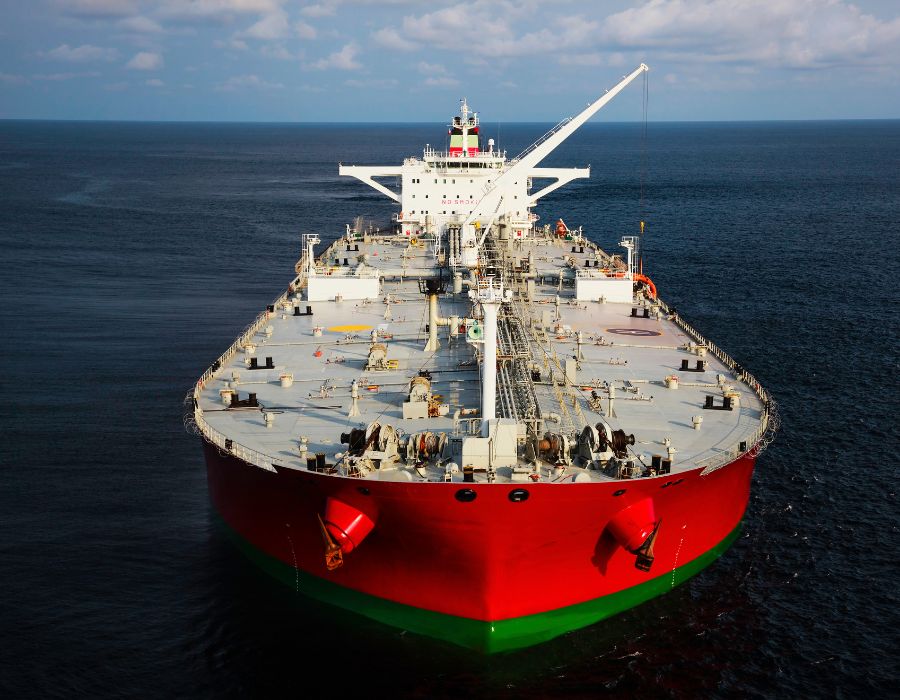
Ship Oil Tanker

What Marine Pumps Do

Marine pumps handle a wide range of jobs. Each job needs a different design, material and flow rate.

Here are the main types you see on vessels.

  • Bilge pumps
  • Ballast pumps
  • Fuel transfer pumps
  • Cooling water pumps
  • Fire pumps
  • Sewage pumps
  • Hydraulic pumps
  • General service pumps

Each pump works under different loads. Some run for minutes. Some run for hours. Some run all day. A supplier who understands these patterns helps you avoid early failures.

How to Pick a Pump Supplier

You want a supplier who knows the marine sector. Someone who understands saltwater, vibration, temperature swings and long running hours. Here are the key things to check.

Material Knowledge

Saltwater destroys the wrong materials.

A good supplier guides you toward options that last.

  • Bronze
  • Stainless steel
  • Duplex alloys
  • Coated cast iron
  • Composite materials

Each material behaves differently. Bronze handles seawater well. Stainless steel works for fuel and chemicals. Duplex alloys resist corrosion in harsh conditions. A supplier who knows these differences saves you money and stress.

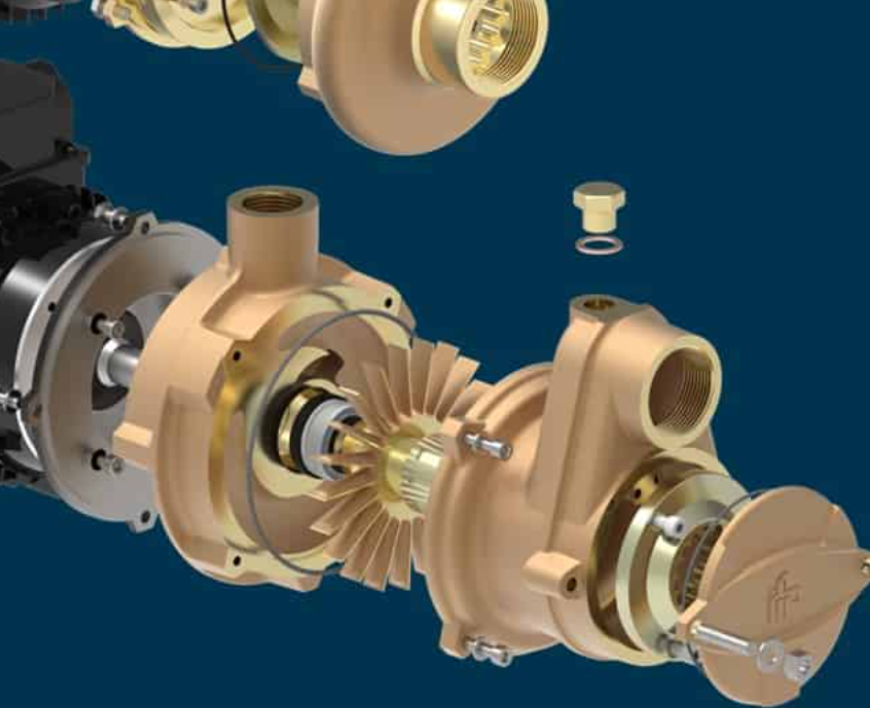
Bronze Pump for Marine Vessels

Flow Rate and Pressure

Flow rate is the volume of liquid moved per minute.

Pressure is the force needed to move it.

If either is wrong, the pump struggles.

  • Too low and the system starves
  • Too high and the pump overheats
  • Wrong pressure and seals fail

A reliable supplier sizes pumps correctly. They look at pipe length, height, bends and restrictions. They check the engine cooling needs. They match the pump to the job.

Marine Conditions

Pumps on vessels face conditions you do not see on land.

  • Constant vibration
  • Shock loads
  • Heat from engines
  • Cold seawater
  • Tight spaces
  • Irregular running cycles

A supplier with marine experience knows how pumps behave in these conditions. They recommend designs that stay stable and safe.

Support and Spares

A pump is only as good as the support behind it. You want suppliers who stock spares and respond fast.

  • Impellers
  • Seals
  • Bearings
  • Motors
  • Housings
  • Gaskets

When a pump fails offshore, you need help quickly. A supplier with strong support keeps your vessel running.

Shipping

Real World Marine Experience

Talk to any engineer at sea and you hear the same stories. A bilge pump that clogged during a storm. A cooling pump that lost pressure during a long run. A fire pump that needed a new seal at the worst moment. These things happen. But they happen less when you choose the right supplier.

Here is a real example. A workboat operator replaced a cooling pump with a cheaper unit. It looked fine on paper. But the material was wrong for seawater. Corrosion started fast. The impeller wore down. The engine overheated. The vessel lost a full day of work. A supplier with marine knowledge would have stopped that from happening.

Another example. A fishing vessel used a pump with the wrong flow rate for its fuel transfer system. The pump ran too hard. It overheated. The seals failed. Fuel leaked into the bilge. The crew had to shut down operations. A supplier who understood flow and pressure would have sized the pump correctly.

These stories show why supplier choice matters. You want someone who knows the sea, not someone who only knows catalogues.

Examples of Pump Types and When They Matter

Bilge Pumps: These clear water from the lowest part of the vessel. They need strong flow and reliable sensors. Saltwater and debris cause problems. A good supplier recommends pumps with corrosion-resistant materials and easy access for cleaning.

Ballast Pumps: These shift water to balance the vessel. They need high flow and strong motors. A supplier checks your tank layout and pipe runs.

Cooling Pumps: These keep engines at safe temperatures. They run for long periods. They need a stable flow and strong seals. A supplier with marine experience knows which models stay reliable.

Fire Pumps: These support firefighting systems. They need an instant start and strong pressure. A supplier helps you meet safety rules.

Fuel Transfer Pumps: These move fuel between tanks. They need materials that resist diesel and contamination. A supplier checks compatibility and flow.

Sewage Pumps: These handle waste. They need clog-resistant designs. A supplier helps you pick pumps that stay reliable.

Hydraulic Pumps: These power winches, cranes and steering. They need stable pressure. A supplier checks your system load.

Where to Find Reliable Marine Pump Suppliers

If you want trusted suppliers, the Seaplant directory is a strong place to start. It lists companies that work with marine pumps daily. They understand vessel needs. They know the conditions. They stock the right materials. And they support you with spares and servicing.

Mini FAQ

What makes a pump suitable for marine use

Materials that resist corrosion, stable flow, strong seals and designs that handle vibration.

Why flow rate matters

Flow rate affects cooling, ballast, fuel transfer and bilge clearing. Wrong flow causes failures.

Why pump materials matter

Saltwater destroys the wrong materials. Bronze, stainless steel and duplex alloys last longer.

How to avoid pump failure

Pick the right supplier, choose the correct materials, size pumps properly and maintain them.

Takeaway

Reliable pumps keep vessels safe and operational. Picking the right supplier protects your crew, your equipment and your schedule.

If you want pumps that last, choose suppliers who understand the sea.

And if you want a simple way to find them, the Seaplant directory gives you a trusted starting point.


Liferafts International DiveCo Marine Civils Sealane Maritime Engineering
SubSalve USA Schwer Marine Fittings Hystat Hydraulic Cylinder Manufacturers BP Norse Marine Southbay Marine Services

High-Performance Marine Windscreen Wipers for the Offshore and Military Marine Markets

Friday, 3rd November 2023

In the dynamic and challenging environments of offshore and military marine operations, the significance of high-performance equipment cannot be overstated.

One often-overlooked yet critical component is the marine windscreen wiper. While it may seem like a small detail, the effectiveness of these wipers plays a vital role in ensuring the safety, efficiency, and success of marine missions.

In this post, we will delve into the reasons why high-performance marine windscreen wipers are indispensable for the offshore and military marine markets.

Marine Windscreen Wipers For Marine Vessels

Marine Windscreen Wipers for Unpredictable Weather Conditions:

Offshore and military marine operations frequently encounter unpredictable and harsh weather conditions.

From heavy rain and high winds to saltwater splashes and icy conditions, vessels must navigate through diverse environments.

In such scenarios, having high-performance marine windscreen wipers is paramount.

These wipers are designed to effectively clear the windscreen, providing clear visibility to operators and minimising the risks associated with limited sight during adverse weather conditions.

Enhanced Safety Measures:

Safety is the top priority in offshore and military marine operations. The importance of clear visibility cannot be emphasised enough, especially when vessels are operating in challenging environments.

High-performance marine wipers contribute significantly to safety by ensuring that the crew can maintain a clear line of sight.

This is crucial for avoiding obstacles, navigating through crowded waterways, and responding to emergency situations promptly.

Any compromise in visibility due to ineffective wipers can pose a serious threat to the safety of the crew and the success of the mission.

Marine Windscreen Wipers Fitted to Support Vessels

Durability in Harsh Environments:

Offshore and military marine vessels are exposed to extreme conditions, including saltwater corrosion, heavy waves, and constant vibrations.

Standard windscreen wipers may not withstand such harsh environments for an extended period.

High-performance marine wipers are built with durable materials, often resistant to corrosion and wear. This durability ensures that the wipers continue to function optimally even in the most challenging conditions, providing a reliable and consistent performance crucial for mission success.

Maintaining Optimal Visibility for Surveillance and Navigation:

Military marine vessels often operate in stealth mode, requiring minimal external visibility to avoid detection.

High-performance marine wipers are designed to operate quietly and efficiently, ensuring that the vessel remains discreet while maintaining optimal visibility for surveillance and navigation.

The ability to navigate discreetly is critical in military operations, and advanced wiper systems contribute to achieving this delicate balance between visibility and stealth.

Increased Operational Efficiency:

Efficiency is a key factor in the success of offshore operations. Delays or disruptions due to equipment malfunction can be costly and compromise the overall mission.

High-performance windscreen wipers contribute to operational efficiency by reliably maintaining clear visibility, reducing the likelihood of disruptions due to poor weather conditions. In adverse situations, where visibility is a challenge, advanced wiper systems become indispensable for ensuring that vessels can continue to operate smoothly and meet their objectives.

Customisation for Specific Needs:

The requirements of offshore and military marine operations vary widely.

Different vessels have unique specifications and operational needs.

High-performance marine windscreen wipers offer the advantage of customisation, allowing them to be tailored to specific vessel requirements.

Whether it’s adjusting the speed, blade pressure, or the type of wiper system, customisation ensures that the wipers are optimised for the vessel’s size, type, and intended use.

Marine Windscreen Wipers By DuroWipers

DuroWipers specialise in the design, development, and manufacture of individual, high-performance windscreen wipers at their UK-based factory.

Each system is meticulously constructed to surpass customer expectations in terms of quality and innovation, featuring a patented unique dual-drive design that distinguishes it from any other marine wiper worldwide.

Working closely with clients in the Marine, Offshore, and Military markets, they strive to provide optimal solutions tailored to diverse conditions and requirements.

DuroWipers have gained extensive use globally, earning a reputation for delivering high-quality, durable, and reliable windscreen wiper systems.

The patented twin-drive rotary transfer box in DuroWiper Pantographs and Pendulums ensures smooth, powerful, and dependable performance.

AISI 316 Stainless Steel is widely employed throughout their machines for its durability and anti-corrosive properties.

Designed to withstand the lifetime of a vessel, train, crane, or platform, DuroWiper systems stand out for their longevity.

DuroWiper Pantographs and Pendulums feature a patented twin-drive rotary mechanism, converting the motor’s rotary motion into a reciprocating motion through the transfer box to the wiper arm.

This design ensures a maintenance-free, smooth, powerful, and reliable performance.

Their warranties include three years for commercial users and ten years, as well as a lifetime (25 years), specifically for the RNLI and the Royal Navy.

Conclusion:

From enhancing visibility in adverse weather conditions to contributing to stealth operations and maintaining durability in harsh marine environments, advanced wiper systems are an indispensable part of the toolkit for offshore and military vessels.

Investing in high-quality, customised marine windscreen wipers is not just a matter of operational convenience; it’s a strategic imperative for those navigating the complex waters of offshore and military missions.

Associated Listing:
Liferafts International DiveCo Marine Civils Sealane Maritime Engineering
Seaplant Marine & Offshore Magazine

Join us

Our commercial marine magazine is designed to provide the perfect place for buyers and sellers of marine equipment and services to find each other.  Provide us with your name and address to receive your copy every month and upload your details to our website to be part of the Seaplant marine Business Finder.

add your company